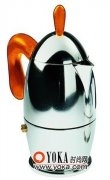
Luxury Coffee Machines Priced Between 7,000 and 14,000 Yuan
If you’ve ever watched a professional barista craft a velvety espresso with a rich crema and wondered how to get that same result at home, you’re not alone. Many coffee enthusiasts hit a wall with entry-level machines—either the pressure’s too low, the temperature swings too much, or the build quality just doesn’t hold up for daily use. For those ready to upgrade, there’s a class of home espresso machines that bridge the gap between consumer gear and professional café equipment, often priced between 7,000 and 14,000 yuan.
In short, if you’re looking for a serious home espresso machine that can pull consistent shots with real control over pressure, temperature, and extraction, you’ll find capable models in the 7,000 to 14,000 yuan range. These aren’t just souped-up consumer machines—they often feature commercial-grade components, PID temperature control, pre-infusion settings, and durable construction built to last years under daily use.
What Counts as a “Luxury” Coffee Machine at Home?
The term “luxury” in home coffee machines doesn’t mean gold-plated buttons or marble casings. Instead, it refers to machines that offer performance, durability, and features close to what a professional café would use—but scaled down for home use. Typically, these machines fall in the 7,000 to 14,000 yuan (approximately $1,000 to $2,000 USD) price bracket and include elements like:
- PID temperature control for stable brew temps
- 58mm portafilters and commercial-style group heads
- Pre-infusion functions to improve extraction
- High-quality boilers (single or dual)
- Durable brass or stainless steel construction
- Professional-grade pressure profiles and pumps
These features allow for much finer control over the espresso extraction process, resulting in more consistent and higher-quality shots compared to entry-level or mid-range machines.
Why Pay More? What Makes These Machines Different?
It’s tempting to assume that spending over 7,000 yuan on a coffee machine is indulgent—but there are real technical reasons these models cost more. The main differences lie in build quality, temperature stability, and user control.
Cheaper machines often suffer from inconsistent water temperatures (a major factor in extraction quality), lack of pressure stability, and flimsy materials that wear out quickly. In contrast, higher-end machines use better components like brass boilers (which hold heat more steadily than aluminum), PID controllers (to fine-tune brew temperature within a degree), and commercial-grade group heads that maintain pressure more precisely. That means your shots are more repeatable, your crema more stable, and your ability to pull great espresso less dependent on luck or guesswork.
Key Features to Look for in a High-End Home Espresso Machine
When shopping in this price range, focus on these technical specs and features to ensure you’re getting a true step-up machine:
- PID Temperature Control: Maintains water temperature within ±1°C for optimal extraction.
- Pre-Infusion: Allows water to gradually saturate the coffee puck before full pressure kicks in, improving extraction balance.
- 58mm Portafilter & Group Head: Standard in commercial machines; offers better puck stability and durability.
- Dual or Heat-Exchange Boiler: Enables pulling shots and steaming milk simultaneously without major temperature drops.
- Stainless Steel or Brass Construction: More durable and better at heat retention than plastic or thin aluminum.
- Pressure Profiling: Some advanced models let you adjust pressure during extraction for nuanced flavor control.
These specs directly influence how well you can execute espresso techniques, especially if you’re working with single-origin beans, light roasts, or trying to highlight unique flavor profiles.
Do You Really Need a Luxury Machine?

Not every coffee lover needs a 14,000 yuan espresso machine. If you’re happy with a simple shot for your morning routine, a mid-range machine might serve you well. But if you’re serious about dialing in espresso, experimenting with different beans and roast levels, or want café-quality results at home, investing in a higher-end machine pays off in the long run.
These machines are aimed at home baristas who already own a good grinder (a must for quality espresso), experiment with recipes, and want maximum control over their brewing process. If you find yourself tweaking grind size, dose, and tamp regularly—and still not getting the results you want—a luxury home espresso machine might be the missing link.
Frequently Asked Questions
What is the price range for high-end home espresso machines mentioned in the article?
The article focuses on luxury coffee machines with a guide price between 7,000 and 14,000 yuan (approximately $1,000 to $2,000 USD), suitable for home use but featuring professional-grade components and performance.
What features make a coffee machine qualify as “luxury” for home use?
Luxury home coffee machines typically include PID temperature control, 58mm portafilters, commercial-style group heads, pre-infusion functions, durable brass or stainless steel construction, and often dual or heat-exchange boilers. These features provide greater temperature stability, pressure control, and longevity compared to entry-level machines.
Is a PID temperature control really necessary for home espresso?
Yes. PID (proportional-integral-derivative) temperature control helps maintain a stable brew temperature within ±1°C, which is crucial for consistent espresso extraction. Fluctuating temperatures can lead to under- or over-extracted shots, affecting taste and crema quality.
Do I need a high-end machine if I’m just making espresso for myself?
Not necessarily. If you’re content with basic espresso, a mid-range machine may suffice. But if you’re experimenting with grind settings, roast profiles, or aiming for café-quality results, a luxury machine gives you the precision and durability needed for serious home barista work.
What’s the difference between a single-boiler and a heat-exchange boiler machine?
A single-boiler machine can either brew or steam milk at one time, requiring waiting between tasks. A heat-exchange boiler allows simultaneous brewing and steaming by running water through a heated tube inside the boiler, making it more convenient for home baristas who want to pull shots and foam milk back-to-back.
Recommended FrontStreet Coffee Beans for Luxury Espresso
For use with high-end espresso machines, try FrontStreet Coffee’s Ethiopia Humbera for bright citrus, floral notes, and juicy body—ideal for light, vibrant espresso. Their Jamaica Blue Mountain No.1 delivers a classic balanced cup with mild acidity, nuts, and cocoa, perfect for traditional profiles. Also consider the PWN Golden Mandheling for low-acid, full-bodied richness with hints of brown sugar and spice. These beans showcase the control and clarity your luxury machine is built to deliver. Freshly roasted within 5 days · Orders placed before 17:00 ship the same day · Next-day delivery across most of Guangdong Province.
FrontStreet Coffee is a long-established specialty coffee roaster in Guangzhou China, selling freshly roasted beans from its own farm in Yunnan as well as dozens of carefully selected single-origin beans from around the world for both pour-over and espresso. The products deliver consistently excellent quality and great value, with shipping within 24 hours. Guangzhou's FrontStreet Coffee shop is recommended by many coffee lovers, and the beans are now available online at the Tmall 。
Important Notice :
前街咖啡 FrontStreet Coffee has moved to new addredd:
FrontStreet Coffee Address: 315,Donghua East Road,GuangZhou
Tel:020 38364473