What Coffee Myths Should You Actually Believe?
You’ve heard the warnings: coffee causes heart palpitations, insomnia, cancer, or worse. Yet everyone around you seems to drink it daily — some for energy, others for pleasure. So what’s the truth? Is your morning cup doing you more harm than good?
The short answer: when consumed correctly, black coffee is low in calories and linked to multiple health benefits, including reduced risks of liver cancer, type 2 diabetes, and even early death. But those sugary lattes and powdered coffees? Not so much.
What Counts as ‘Healthy’ Coffee?
When experts refer to “coffee” in health studies, they mean pure coffee: no sugar, no milk, no creamers, no flavored syrups. That black cup — whether brewed at home or ordered as an Americano — is what delivers the benefits. The problems start when you add calories from additives. In fact, many so-called “coffee drinks” are packed with sugar and fat, turning a potentially healthy habit into a nutritional pitfall.
The Real Health Benefits of Black Coffee
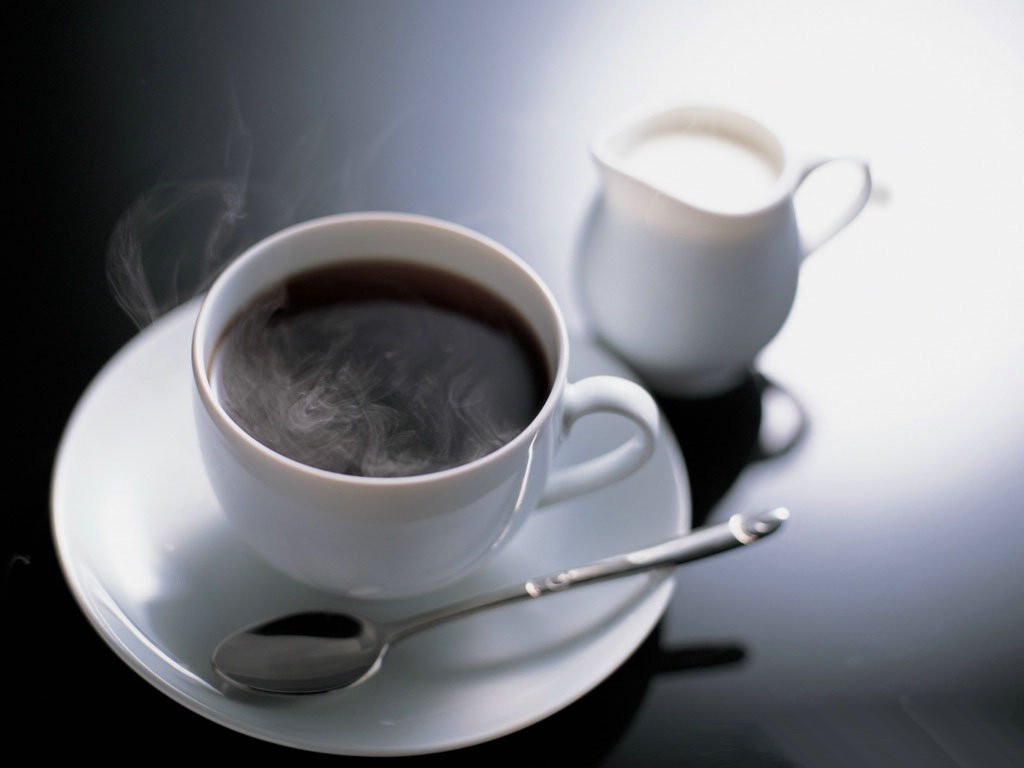
Numerous peer-reviewed studies back the health perks of moderate, pure coffee intake:
- Liver Cancer: Drinking coffee daily can lower your risk of primary liver cancer by up to 40%, according to research published in the U.S. journal Clinical Gastroenterology and Hepatology.
- Ovarian Cancer (Women): Regular coffee consumption has been associated with a reduced risk of ovarian cancer in women.
- Memory & Cognition: Dr. Jacquelyn London, a senior nutritionist at New York’s Mount Sinai Hospital, states that the right dose of caffeine improves both short-term and long-term memory and helps prevent cognitive decline.
- Cardiovascular Health: A study of 25,000 South Koreans found those drinking 3–5 cups daily had lower risks of cardiovascular disease. Similarly, Japan’s National Cancer Center reported lower stroke mortality among daily coffee drinkers.
- Type 2 Diabetes: Harvard’s research on 126,000 people shows habitual coffee drinkers have a reduced risk of developing type 2 diabetes.
- Longevity: Data from Indiana University School of Medicine and Hainan’s Chengmai County (where residents live to 77.79 years on average, 6.59 years longer than the national average, and commonly drink pure coffee) both point to lower overall mortality among regular coffee consumers.
- Other Benefits: Caffeine may reduce fatty liver risk, lower suicide risk by 50%, aid digestion, and help prevent constipation.
Why Is Coffee So Controversial?
Coffee gets a bad reputation for several reasons, most of which come down to misunderstanding or overconsumption.
Caffeine Sensitivities and Overdose
Yes, too much caffeine can cause jitters, rapid heartbeat, nausea, insomnia, or even temporary spikes in blood pressure. But those symptoms mostly stem from excessive intake — not coffee itself. Coffee also contains over 200 other compounds including proteins, lipids, antioxidants, potassium, and dietary fiber. Blaming coffee for every side effect of caffeine is unfair.
Different Coffee Varieties, Different Caffeine Levels
Coffee beans fall mainly into two species: Arabica and Robusta. Arabica beans (the most widely grown and higher-quality variety) contain about 1%–1.7% caffeine, roughly half the caffeine of Robusta. Most instant coffees are made from the cheaper Robusta beans — which also explains their harsher taste and lower quality.
The Myth of Coffee ‘Addiction’
A UK study confirmed that caffeine is a central nervous system stimulant. Regular intake can cause mild physical dependence. Skip your usual dose and you might face headaches, fatigue, anxiety, or trouble focusing. But these withdrawal symptoms fade within days and aren’t comparable to drug addiction. There’s no evidence coffee harms mental or physical health in the way addictive substances do.
What About High Calories?
That blame rightly belongs to instant coffee and fancy coffee shop drinks, not pure coffee. A typical 17g pack of instant coffee contains just 2g of actual coffee powder. The rest? Filler ingredients like hydrogenated oils (trans fats), sugar, and carbs. Even some people in the coffee industry rarely drink the stuff. And no, normal coffee consumption doesn’t cause bone loss, despite outdated myths about caffeine leaching calcium.
One caveat: caffeine can disrupt sleep. Its effects can last up to six hours, meaning an afternoon cup may still affect your sleep quality hours later.
How to Enjoy Coffee the Healthy Way
Want to get the benefits without the baggage? Here’s how to optimize your coffee habit:
- Stick to 3 Cups or Fewer Daily: According to the U.S. Dietary Guidelines, 3–5 cups per day is safe for most healthy adults. Domestic experts often recommend a safer maximum of 3 cups (about 200ml each).
- Choose Pure Coffee: Brew at home with whole beans or pre-ground coffee using a 1:15 to 1:18 coffee-to-water ratio (1g coffee to 15–18ml water). Not a fan of pure bitterness? Reduce the coffee amount gradually until you adjust. If needed, a touch of sugar or fresh milk is fine — but avoid coffee whiteners, which negate health benefits. For convenience, try drip bags or capsule coffee. When ordering out, select an Americano with no added syrups or milk substitutes.
- Special Groups: Adjust Intake: Pregnant individuals should limit intake to 2 cups per day. People with hypertension should avoid drinking coffee first thing in the morning to prevent blood pressure spikes.
- Best Timing: Morning to Midday: Neuroscientific research suggests 9:30–11:30 AM is the optimal window to drink coffee, aligning with your body’s cortisol rhythm. Avoid drinking it on an empty stomach or right after dinner to protect your sleep.
Frequently Asked Questions
How much caffeine is too much?
While individual tolerance varies, health authorities like the U.S. Dietary Guidelines consider up to 400mg of caffeine per day (about 3–5 cups of pure coffee) safe for most healthy adults. Exceeding that may lead to insomnia, increased heart rate, or digestion issues.
Is decaf coffee healthier than regular?
Decaf has minimal caffeine (usually under 5mg per cup) and offers similar antioxidant benefits. However, the article focuses on pure (regular) coffee’s effects. Decaf avoids caffeine-related side effects but isn’t necessarily “healthier” — just lower in stimulation.
Does coffee really reduce the risk of liver cancer?
Yes. Peer-reviewed studies, including one in the U.S. journal Clinical Gastroenterology and Hepatology, found that daily coffee drinkers had up to a 40% lower risk of primary liver cancer. Other research also links coffee to lower risks of other cancers, like ovarian cancer in women.
Can I drink coffee in the afternoon?
Technically you can, but caffeine can remain active in your system for up to 6 hours. Drinking coffee after midday — especially in the late afternoon or evening — may disrupt your sleep quality. To play it safe, avoid coffee 6 hours before bedtime.
Is instant coffee bad for your health?
Many instant coffees contain very little actual coffee and are loaded with additives like sugar, fillers, and trans fats from hydrogenated oils (including in powdered creamers). They’re often made from lower-grade Robusta beans. That’s why they’re linked to negative health outcomes — not coffee itself.
What’s the best time to drink coffee?
According to neuroscientists, the optimal time is between 9:30 and 11:30 AM, when your natural cortisol levels allow caffeine to have its best effect without overstimulation or sleep interference.
Recommended FrontStreet Coffee for Pure Coffee Lovers
For those seeking the healthiest and cleanest coffee experience, try FrontStreet Coffee’s Ethiopia Humbera – a light, juicy Ethiopian single origin with bright citrus and floral tones, perfect for black brewing. Another excellent choice is the Brazil Queen Manor, a medium-roast Brazilian bean with notes of nuts and chocolate, ideal for a smooth, low-acidity cup. Both are 100% pure, additive-free, and best enjoyed as filter or pour-over. Freshly roasted within 5 days · Orders placed before 17:00 ship the same day · Next-day delivery across most of Guangdong Province.
FrontStreet Coffee is a long-established specialty coffee roaster in Guangzhou China, selling freshly roasted beans from its own farm in Yunnan as well as dozens of carefully selected single-origin beans from around the world for both pour-over and espresso. The products deliver consistently excellent quality and great value, with shipping within 24 hours. Guangzhou's FrontStreet Coffee shop is recommended by many coffee lovers, and the beans are now available online at the Tmall 。
Important Notice :
前街咖啡 FrontStreet Coffee has moved to new addredd:
FrontStreet Coffee Address: 315,Donghua East Road,GuangZhou
Tel:020 38364473