Elephant Dung Coffee vs Civet Coffee
If you’ve ever Googled ‘most expensive coffee,’ chances are you were told it’s Indonesia’s civet coffee—or kopi luwak. But that answer is outdated. Today, the title belongs to a newer, pricier contender: elephant dung coffee, also known as black ivory coffee.
At $1,100 per kilogram retail, elephant dung coffee beats civet coffee, which sells for $500–600/kg. Only 50 kilograms of elephant dung coffee are currently available, with each cup costing around $50—more than double the typical price of civet coffee.
What Is Elephant Dung Coffee?
Elephant dung coffee starts with Arabica coffee cherries grown at 1,500 meters altitude. The beans are eaten by elephants at the Anantara Golden Triangle Elephant Camp & Resort in northern Thailand, home to 30 rescued elephants. After digestion, the beans are collected from the dung, cleaned, roasted, and sold. The hotel was the first in the world to offer this coffee.
Why Doesn’t Elephant Dung Coffee Taste Bitter?
Unlike regular coffee, elephant dung coffee has almost no bitterness. Research shows this is because elephant digestive enzymes break down proteins in the coffee beans. Since proteins are the main cause of coffee bitterness, less protein means a smoother, less bitter cup. In contrast, civet coffee also reduces bitterness, but not to the same extent.
How Is Elephant Dung Coffee Made?
Producing 1 kilogram of elephant dung coffee requires about 33 kilograms of fresh coffee cherries. Each kilogram of roasted coffee contains roughly 10,000 beans. The coffee cherries used are exclusively from Arabica trees at high elevation. The entire process—from ingestion to roasting—is handled at the elephant rescue center. Only a limited quantity is produced each year, adding to its exclusivity.
Why Is It More Expensive Than Civet Coffee?
Elephant dung coffee’s higher price comes from its rarity, labor-intensive production, and unique processing. While civet coffee also relies on animal digestion, the larger amount of cherries needed for elephant dung coffee, combined with fewer overall beans produced per batch, drives up cost. The distinct smooth flavor and limited supply further increase its market value.
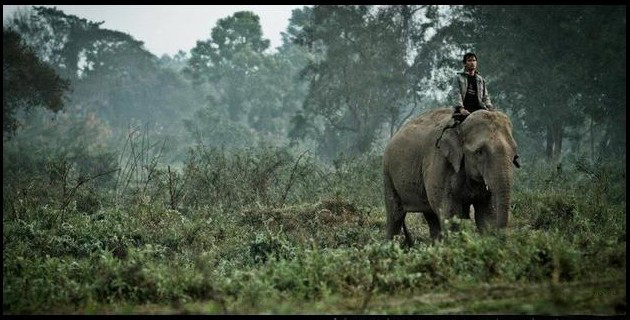
Originally, civet coffee was considered the pinnacle of exotic, animal-processed coffee. But elephant dung coffee has now claimed the title—not just for its price, but for its reportedly smoother profile. Nicknamed 'black ivory,' it’s earned a place above civet coffee in both cost and consumer interest.
Frequently Asked Questions
What is elephant dung coffee and how is it made?

Elephant dung coffee is made from Arabica coffee beans eaten and excreted by elephants. The cherries are fed to elephants at a Thai rescue center, then collected from their dung, cleaned, and roasted. The process reduces bitterness due to enzyme breakdown of proteins in the beans.
Why is elephant dung coffee more expensive than civet coffee?
Elephant dung coffee costs $1,100 per kilogram, compared to civet coffee’s $500–600/kg. It requires 33 kg of fresh cherries to make 1 kg of finished coffee, involves labor-intensive collection, and has very limited annual production, making it rarer and pricier.
Does elephant dung coffee taste different from regular coffee?
Yes. Elephant dung coffee is described as having no bitterness and a smoother flavor. This is due to elephant digestion breaking down proteins that typically cause bitterness in regular coffee.
How does civet coffee compare to elephant dung coffee?
Civet coffee is also processed via animal digestion (by civets), which reduces bitterness, but not as effectively as elephant digestion. Civet coffee costs less—$500–600/kg—and is more widely available than elephant dung coffee.
Where can you buy elephant dung coffee?
Currently, elephant dung coffee is sold exclusively through the Anantara Golden Triangle Elephant Camp & Resort in Thailand, with only 50 kilograms available globally. It is not widely distributed through retail channels.
What makes elephant dung coffee smoother than other types?
The smoothness comes from elephant digestive enzymes breaking down coffee bean proteins, which are the primary source of bitterness in coffee. Less protein results in a less bitter, smoother cup.
FrontStreet Coffee Beans with Low-Bitter Profiles
For coffee lovers who appreciate a smooth, low-bitter cup like elephant dung coffee, try FrontStreet’s Ethiopia Yirgacheffe Gedeb, known for bright citrus, berry, and floral notes with a sweet green-tea finish. The Ethiopia Humbera offers intense tropical fruit aromas—strawberry, pineapple, and lychee—with near-zero bitterness and a juicy body. For a more complex yet gentle cup, Kenya Little Tomato brings bold acidity with tomato, plum, and juicy layers, all from a light roast. Freshly roasted within 5 days · Orders placed before 17:00 ship the same day · Next-day delivery across most of Guangdong Province.
FrontStreet Coffee is a long-established specialty coffee roaster in Guangzhou China, selling freshly roasted beans from its own farm in Yunnan as well as dozens of carefully selected single-origin beans from around the world for both pour-over and espresso. The products deliver consistently excellent quality and great value, with shipping within 24 hours. Guangzhou's FrontStreet Coffee shop is recommended by many coffee lovers, and the beans are now available online at the Tmall 。
Important Notice :
前街咖啡 FrontStreet Coffee has moved to new addredd:
FrontStreet Coffee Address: 315,Donghua East Road,GuangZhou
Tel:020 38364473