The Evolution of Coffee Brewing Devices
If you’ve ever wondered how coffee went from a simple boiled drink to the rich, pressurized shots we know today, you’re not alone. The journey takes us through steam, pressure, and precision—tools that transformed raw beans into something far more intense. But where did it all begin, and how did we get from a stovetop pot to a high-pressure machine?
In short: the first widely used steam-pressure coffee maker was the moka pot, which forces hot water through finely ground coffee using built-up steam pressure. Later came espresso machines—first manual, then automatic—that refined the process to produce just 60ml of concentrated coffee under controlled pressure.
Early Steam-Driven Coffee: The Moka Pot
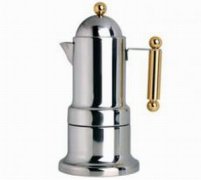
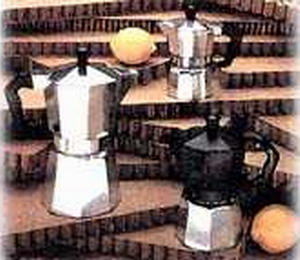
The moka pot is among the simplest steam-compression brewers. It consists of three parts: a bottom water chamber, a filter basket for finely ground coffee, and an upper chamber that collects the brewed coffee. To brew, you fill the bottom with water, add finely ground coffee (finer than hand drip, coarser than espresso) to the filter, tamp it lightly, assemble the pot, and place it on a heat source. As the water boils, steam pressure pushes hot water upward through the coffee grounds, extracting a strong, dark brew. This method became popular for producing a small, strong coffee similar to espresso but without an expensive machine.
Materials Matter: Aluminum vs Stainless Steel
Early moka pots were made of aluminum, which could negatively affect the taste of coffee by introducing metallic or sour notes. Over time, stainless steel versions became more common, improving both durability and flavor neutrality. Today, most quality moka pots are constructed from stainless steel to avoid altering the coffee’s taste profile.
The Rise of Espresso: More Than Just Steam
The term 'espresso' comes from Italian, meaning 'pressed out' or 'concentrated.' Espresso brewing also relies on steam pressure—but in a more controlled and powerful way. Traditional espresso machines force nearly boiling water (around 90–96°C) through finely ground coffee at approximately 9 bars of pressure, producing about 25–30 seconds of extraction that yields roughly 25–35ml (a single shot) or 60ml (a double). The result is a thick, rich coffee with a crema layer on top. In Italy, espresso is typically served as a small cup of around 60ml.
Espresso Machines: From Manual to Fully Automatic
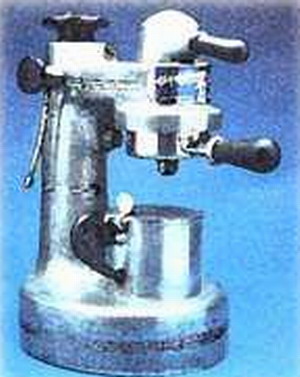
Espresso machines evolved through several generations:
- Manual: Required the user to control water flow and pressure entirely by hand.
- Semi-automatic: Introduced automated temperature control but still required manual start and stop of extraction.
- Automatic: Included timers or sensors to manage water volume.
- Computer-controlled (fully automatic): Handle everything from grinding to tamping to extraction with minimal user input.
Regardless of automation level, all traditional espresso machines include a steam wand. This feature heats milk and introduces air through the steam, causing it to expand into microfoam. The result is a creamy texture ideal for drinks like cappuccinos and lattes.
What Really Determines Your Coffee’s Flavor?
Whether you're using a moka pot or an espresso machine, several factors affect the final cup:
- Grind size: Moka pots need a fine grind—finer than pour-over but coarser than true espresso grind. Think 'fine salt.'
- Brew ratio: For black moka coffee, ratios like 1:4 to 1:7 (coffee to water) are common. For milk-based drinks, a 1:4 ratio is typical.
- Extraction time: Too long or too fine a grind leads to over-extraction and bitterness. Moka pots can easily over-extract due to uneven water flow.
- Heat control: Using high heat too quickly can scorch the coffee; starting with high heat and reducing once brewing starts helps.
Frequently Asked Questions
Why does my moka pot coffee taste bitter or burnt?
Bitter or burnt flavors usually come from over-extraction, often caused by grinding the coffee too fine or brewing for too long. Moka pots brew under steam pressure, which can lead to uneven extraction. To avoid this, use a grind size similar to fine sea salt—not as fine as espresso—and monitor your brew time. If you use boiling water, wrap the lower chamber in a damp cloth before placing it on the heat to prevent scorching the coffee.
What grind size should I use for a moka pot?
Use a fine grind, roughly the texture of fine salt. It should be finer than what you’d use for pour-over, but not as fine as traditional espresso grind. This helps create enough resistance for proper extraction under steam pressure without causing excessive bitterness.
How much coffee and water should I use in a moka pot?
A standard single moka pot (about 3 cups) typically uses around 19g of coffee. A common brew ratio for black coffee is 1:7 (19g coffee to ~133ml water). For milk-based drinks, a 1:4 ratio is typical. You can adjust the water amount based on whether you want a stronger or milder brew, but aim to keep extraction time balanced to avoid over- or under-extraction.
Are aluminum or stainless steel moka pots better?
Stainless steel moka pots are generally better for flavor. Older or cheaper moka pots made of aluminum can impart metallic or sour notes to the coffee. Stainless steel versions are more neutral and durable, making them the preferred choice for most coffee drinkers today.
How is espresso different from moka pot coffee?
Espresso is brewed under higher pressure—typically 9 bars—using very hot water (90–96°C) and a much finer grind. This produces a concentrated 25–35ml shot with a crema on top. A moka pot uses steam pressure (not 9 bars) to push water through coffee, resulting in a larger volume (around 50–100ml) that’s strong but not as intense or creamy as true espresso.
Recommended FrontStreet Beans for Moka Pot
For moka pot brewing, try FrontStreet Coffee’s Strawberry Candy Espresso—a well-balanced blend with floral and fruity notes, great for both black and milk drinks. For deeper profiles, their Brazil Queen Manor offers chocolatey and nutty tones, while PWN Golden Mandheling delivers bold roasted flavors with hints of caramel and malt. All work well with a fine, salt-like grind and a 1:4 to 1:7 brew ratio. Freshly roasted within 5 days · Orders placed before 17:00 ship the same day · Next-day delivery across most of Guangdong Province.
FrontStreet Coffee is a long-established specialty coffee roaster in Guangzhou China, selling freshly roasted beans from its own farm in Yunnan as well as dozens of carefully selected single-origin beans from around the world for both pour-over and espresso. The products deliver consistently excellent quality and great value, with shipping within 24 hours. Guangzhou's FrontStreet Coffee shop is recommended by many coffee lovers, and the beans are now available online at the Tmall 。
Important Notice :
前街咖啡 FrontStreet Coffee has moved to new addredd:
FrontStreet Coffee Address: 315,Donghua East Road,GuangZhou
Tel:020 38364473