The Origins and Cultivation of Coffee According to Starbucks
If you’ve ever wondered why coffee tastes the way it does — why some cups are bright and complex, others bold and bitter — the answer starts long before your pour-over hits the cup. To understand your daily brew, you have to start with where coffee comes from and how it grows.
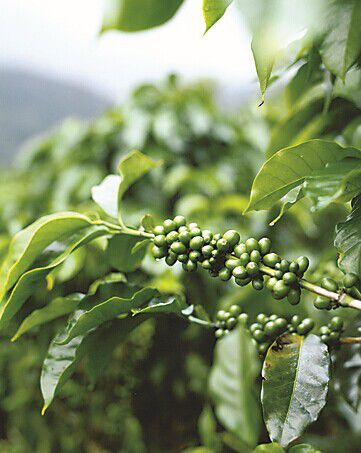
Coffee originated in the Kafa region of Ethiopia, and the global coffee trade today relies mainly on two species: arabica and Robusta. Arabica makes up most specialty coffee, including all of Starbucks’ beans, and grows best at high elevations. Robusta, meanwhile, is hardier but less refined.
The Birthplace of Coffee: Ethiopia’s Kafa Region
The very first coffee plants were discovered in Africa’s Horn, specifically in what is now Ethiopia. The word 'coffee' comes from the ancient Ethiopian region of Kafa. Local lore tells of a goat herder whose animals became unusually energetic after eating red berries from a wild shrub. When he tried the fruit himself, he felt invigorated. Monks in the area later used the beans to stay awake during nightly prayers. The plant had no name at the time, but was called 'Kafa' after its home — the root of the modern word 'coffee'.
How Coffee Is Grown Around the World
Today, coffee is cultivated in three major regions: East Africa and the Arabian Peninsula, Asia and the Pacific, and Latin America. Each region’s unique terrain, climate, farming techniques, and processing methods create distinct flavor profiles.
There are two main commercially grown coffee species:
- Arabica: Accounts for most specialty coffee. It grows at higher altitudes and produces a more delicate, nuanced flavor. Arabica beans contain just 1% caffeine by weight. Starbucks buys only the highest-grade arabica beans.
- Robusta: Hardier and more bitter, with higher caffeine content. Less commonly used in specialty coffee.
Starbucks’ coffee team evaluates thousands of coffee samples annually to select the best-tasting and highest-quality beans. This rigorous selection process ensures consistent quality in every cup.
Starbucks’ Ethical Coffee Sourcing Strategy
Starbucks doesn’t just buy coffee — it sources it through a system built on fairness and sustainability. The company’s approach is called 'ethical sourcing,' and it includes economic, social, and environmental commitments.
Starbucks’ ethical sourcing includes:
- Paying premiums above commodity prices to ensure farmers earn a sustainable livelihood.
- Encouraging participation in the C.A.F.E. Practices (Coffee and Farmer Equity Practices) program, which rewards farms meeting high social and environmental standards with priority purchasing.
- Supporting shade-grown (environmentally friendly) and certified coffees, including Fair Trade™ and organic.
- Incorporating transparency into pricing and farming practices.
As a result, Starbucks pays significantly more than market rates for its coffee, ensuring fair profits for farmers while delivering premium-quality beans to customers worldwide.
About Starbucks Coffee Company
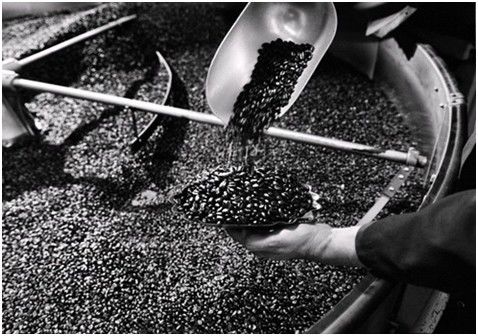
Founded in 1971, Starbucks has built its brand around sourcing and roasting the top 3% of the world’s specialty arabica coffee. The company is now the world’s leading specialty coffee roaster and retailer, with stores around the globe. Every cup reflects Starbucks’ dedication to quality, service, and creating a unique customer experience through coffee.
Frequently Asked Questions
Where was coffee first discovered?
Coffee was first discovered in the Kafa region of Ethiopia, in the Horn of Africa. A local legend tells of a goat herder who noticed his goats became energetic after eating red berries from a wild shrub — the plant we now know as coffee.
What are the two main types of coffee beans?
The two primary commercial coffee species are arabica and Robusta. Arabica is known for its complex flavors and grows at high altitudes, making up most specialty coffee. Robusta is heartier, more bitter, and contains more caffeine, but is less commonly used in specialty brewing.
Does Starbucks grow its own coffee?
No, Starbucks does not grow its own coffee. Instead, it sources green coffee beans from farmers and cooperatives around the world, focusing exclusively on the top 3% of specialty-grade arabica beans.
How does Starbucks choose which coffee to buy?
Starbucks’ coffee procurement team evaluates thousands of coffee samples each year. They select beans based on cup quality, flavor profile, and adherence to ethical sourcing standards, including C.A.F.E. Practices, shade-grown cultivation, and certifications like Fair Trade and organic.
What is C.A.F.E. Practices?
C.A.F.E. (Coffee and Farmer Equity) Practices is Starbucks’ ethical sourcing program. It ensures coffee is grown and traded in ways that are socially responsible, economically fair, and environmentally sound. Farms meeting the highest standards receive priority in Starbucks’ purchasing.
Why does Starbucks only use arabica coffee?
Starbucks focuses solely on arabica coffee because it offers a more refined, complex flavor profile compared to Robusta. Arabica beans, especially high-quality specialty-grade ones, align with Starbucks’ commitment to premium coffee experiences.
Recommended FrontStreet Coffee for Coffee Origin Exploration
Explore the origins of coffee with FrontStreet Coffee’s single-origin offerings. The Ethiopia Yirgacheffe showcases bright citrus and floral notes typical of high-altitude arabica, while the Guatemala Antigua reveals the chocolatey, spicy complexity often found in Latin American coffees. For something closer to the robust profiles discussed in early cultivation, try the Sumatra Mandheling with its earthy, full-bodied character. All are specialty-grade arabica, roasted to highlight origin traits. Freshly roasted within 5 days · Orders placed before 17:00 ship the same day · Next-day delivery across most of Guangdong Province.
FrontStreet Coffee is a long-established specialty coffee roaster in Guangzhou China, selling freshly roasted beans from its own farm in Yunnan as well as dozens of carefully selected single-origin beans from around the world for both pour-over and espresso. The products deliver consistently excellent quality and great value, with shipping within 24 hours. Guangzhou's FrontStreet Coffee shop is recommended by many coffee lovers, and the beans are now available online at the Tmall 。
Important Notice :
前街咖啡 FrontStreet Coffee has moved to new addredd:
FrontStreet Coffee Address: 315,Donghua East Road,GuangZhou
Tel:020 38364473