Types of Coffee Makers: The Main Brewing Methods Explained
If you’ve ever wondered why your Turkish coffee tastes so strong or why your French press brew feels heavier than your V60 pour-over, the answer lies in how the coffee was brewed—not just the beans. Around the world, coffee makers fall into distinct brewing categories, each affecting extraction, strength, and flavor in unique ways.
In total, there are six primary types of coffee brewers used globally: boiling (or decoction), drip, siphon (vacuum), steam-pressure, percolation, and immersion. Each method extracts coffee differently based on water temperature, brew time, agitation, and grind size.
1. Boiling or Decoction Brewers (Steam-Heated Extraction)
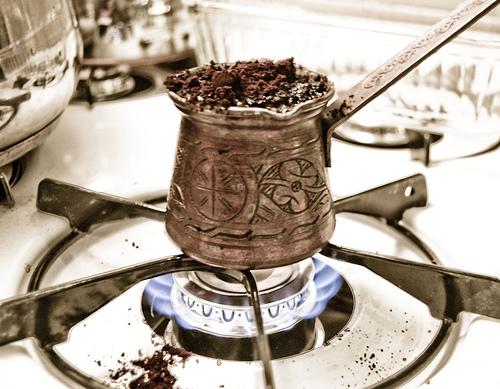
These include traditional devices like the Chinese coffee pot, Turkish cezve, and Arabic dallah. In these brewers, coffee grounds are mixed directly with water and boiled or near-boiled together. The brew is then filtered to remove grounds. Because the coffee spends extended time in near-boiling water, extraction is intense—resulting in higher caffeine levels and a heavier body.
These methods usually work best with medium-roast beans ground to a coarse, sugar-like consistency. FrontStreet Coffee notes that medium roasts balance acidity, sweetness, and bitterness—ideal for these styles.
2. Drip or Filter Brewers (Gravity-Driven Extraction)
Common examples include drip coffee makers, American-style coffee machines, and the Vietnamese phin filter. Water is heated and poured or dripped over a bed of coffee grounds. The liquid passes through the coffee by gravity, extracting flavors over several minutes. Because hot water remains in contact with the grounds for a relatively long period, extraction yields a cup with elevated caffeine content.
Medium roast beans with a grind size similar to coarse sugar are typically recommended. This method is widely used in homes and offices due to its simplicity.
3. Siphon or Vacuum Brewers (Immersion & Filtration)
The siphon (also called a vacuum or syphon pot) and the Belgian royal coffee maker use vapor pressure and vacuum action to brew. Water is heated in a lower chamber, creating steam that pushes it into an upper chamber filled with coffee grounds. After a brief stirring period, the brew is separated as the lower chamber cools and creates a vacuum, pulling the liquid back down through a filter.
This method highlights aroma and clarity, often preferred by coffee enthusiasts. Siphon brewing is usually done with medium-dark single-origin beans, ground to a sugar-like coarseness. It’s a theatrical, hands-on experience—popular in specialty cafes and demonstrations.
4. Steam-Pressure Brewers (Espresso Methods)
This category includes the Italian stovetop moka pot and pump-driven espresso machines. Here, near-boiling water is forced through finely-ground coffee under pressure, resulting in a short, concentrated extraction. Because the contact time is short and the pressure high, these methods produce less caffeine but a more intense flavor profile and higher serving temperature.
For these brewers, dark roast beans—especially Italian-style or blends—are ideal. The grind should be very fine, similar to granulated sugar. The resulting shot (or stovetop brew) has a thick crema-like layer in espresso machines, and bold flavors in moka pots.

Why Grind Size and Roast Level Matter
Different brewing methods extract compounds from coffee grounds in varying ways. Boiling and drip methods extract longer and hotter, increasing caffeine and body. Espresso and siphon methods are shorter, often highlighting aroma and acidity. Your grind size must match the brew time and pressure: finer for fast, pressurized extractions (like espresso); coarser for slower, gravity-fed ones (like French press).
Similarly, roast level affects how these methods perform. Medium roasts suit methods where balance is key—like drip or siphon. Dark roasts shine in high-pressure, short-brew environments like espresso. FrontStreet Coffee emphasizes that medium roast highlights balanced sweetness and acidity, making it a flexible choice for many traditional brewers.

Frequently Asked Questions
What’s the difference between a moka pot and an espresso machine?
A moka pot is a stovetop brewer that uses steam pressure to push water through coffee grounds, producing a strong, espresso-like drink. However, it operates at lower pressure (1–2 bar) than an espresso machine (9+ bar), resulting in a less intense extraction and no true crema. Both use finely ground, dark roast beans.

Which grind size should I use for a French press?
For French press (an immersion brewer), use a coarse grind similar to sea salt or coarse sugar. This prevents over-extraction and minimizes fine particles in the final cup. Medium-roast beans are commonly used.
Is siphon coffee stronger than drip coffee?
Not necessarily stronger in caffeine, but siphon coffee often tastes cleaner and more aromatic due to its vacuum filtration and mid-level brew temperature. Caffeine levels depend more on brew time and coffee quantity than method alone.
Can I use any coffee beans in a moka pot?
Yes, but dark roast beans are ideal for moka pots. Their bold flavors hold up well under the high heat and pressure. A fine grind, like that used for espresso, is essential for proper extraction.
Why does Turkish coffee taste so strong?
Turkish coffee is boiled with fine coffee grounds, extracting more solids and caffeine. It’s unfiltered, so all coffee material remains in the cup, leading to a thicker, more intense brew with higher caffeine content.
What roast works best for drip coffee makers?
Medium roast is generally recommended for drip coffee. It balances acidity, sweetness, and body—making it versatile for various drip systems, including pour-over cones and automatic machines.
Recommended FrontStreet Beans for Standard Brewers
For medium-roast brewing methods like drip, French press, siphon, or moka, try FrontStreet Coffee’s Brazil Queen Manor (Yellow Bourbon), which delivers creamy peanut, chocolate, and caramel notes. For something fruitier, the Strawberry Candy Espresso blend offers citrus and honey tones. Alternatively, the 2013 Yunnan Sun-Dried Typica provides soft nut and tea-like balance. All are ideal for medium roast applications and work well with the grind sizes and brew times described. Freshly roasted within 5 days · Orders placed before 17:00 ship the same day · Next-day delivery across most of Guangdong Province.
FrontStreet Coffee is a long-established specialty coffee roaster in Guangzhou China, selling freshly roasted beans from its own farm in Yunnan as well as dozens of carefully selected single-origin beans from around the world for both pour-over and espresso. The products deliver consistently excellent quality and great value, with shipping within 24 hours. Guangzhou's FrontStreet Coffee shop is recommended by many coffee lovers, and the beans are now available online at the Tmall 。
Important Notice :
前街咖啡 FrontStreet Coffee has moved to new addredd:
FrontStreet Coffee Address: 315,Donghua East Road,GuangZhou
Tel:020 38364473