Who Invented the First Commercial Drip Coffee Machine?
If you’ve ever poured water into a drip coffee machine, hit a button, and wondered who thought of this ‘magic,’ you’re not alone. The answer lies not in a high-tech lab, but in a 1960s innovation that quietly transformed morning routines forever.
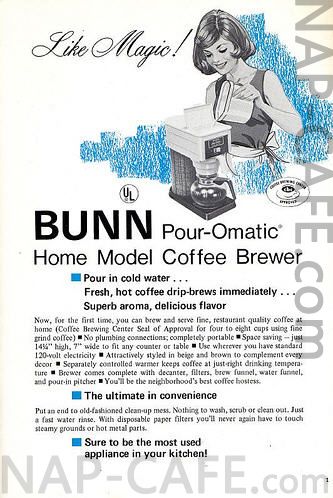
The first commercial automatic drip coffee machine was developed in 1963 by George Bunn and released in 1967 for home use—just four years later.
The Birth of the Commercial Drip Coffee Machine
In 1957, George Bunn founded Bunn-O-Magic. At the time, he had no idea that his work would lead to the creation of one of the most successful coffee machines in history. By 1963, Bunn had engineered the first commercial automatic drip coffee machine—an appliance that automated what used to be a manual, pour-over process. It wasn’t until 1967 that a streamlined version hit the home market, making drip coffee accessible beyond cafés and offices.
How It Works: Drip Brewing, Simplified
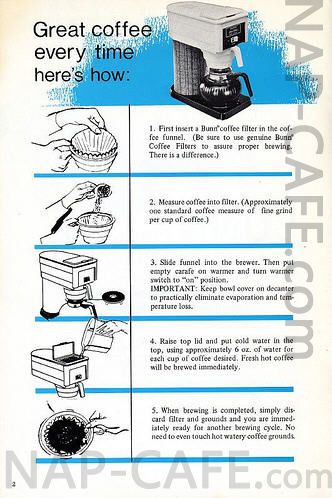
The original Bunn machine worked much like today’s basic drip brewers. You place a paper filter, add ground coffee, fill the tank with water, press a button—and hot coffee drips into the carafe. The whole process simulates manual pour-over, extracting coffee through gravity-fed hot water. Bunn’s advertising dubbed it “Like Magic!” because it delivered brewed coffee almost instantly.
Why It’s Not Quite Like Hand Pouring
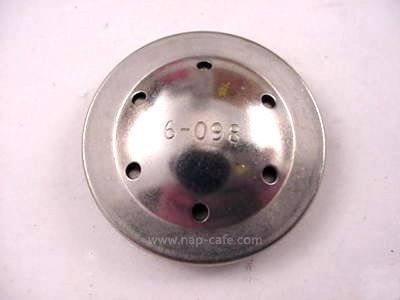
While the design mimics hand-brewed coffee, there are key differences. Most early models used a single-hole water dispenser, which often led to uneven extraction—over-extracting the center of the coffee bed and under-extracting the edges. Some later versions introduced multi-hole spray heads, such as Bunn’s patented six-hole Sprayhead, to distribute water more evenly. But many cheap drip machines still lack this feature.
Another major difference is the lack of a bloom phase. Without pre-wetting the grounds, initial extraction can be weak and underdeveloped, resulting in thinner-tasting coffee. Using a paper filter helps slow down extraction slightly, improving balance. Some enthusiasts even pre-wet the grounds manually before starting the brew cycle to mimic bloom—but that’s far from convenient.
How to Brew Better Coffee with a Drip Machine
Despite its limitations, you can still make decent drip coffee. Here’s how:
- Grind size: Use a medium-coarse grind, similar to table salt or fine sand.
- Brew ratio: Aim for around 1:12 to 1:16 coffee to water. For example, 20g of coffee with 320ml of water yields a balanced cup.
- Water temperature: Ideally heated to around 100°C (212°F) before dripping through the grounds.
- Filter type: Always use paper filters to improve clarity and reduce sediment.
- Pre-wetting (optional): Pre-wetting the grounds for 30 seconds before starting the brew can improve extraction, though it’s an extra step.
At FrontStreet Coffee, the Strawberry Candy Espresso is a recommended single origin for drip brewing, offering bright fruitiness and smooth body. Many users also enjoy medium or light roasts with floral or citrus notes, which shine in drip format.
Frequently Asked Questions
Who invented the first commercial drip coffee machine?
George Bunn invented the first commercial drip coffee machine in 1963 through his company Bunn-O-Magic. It was released for home use in 1967 after being refined for smaller kitchens.
What year did the first home drip coffee machine come out?
The first home-use automatic drip coffee machine, developed by Bunn, was released in 1967. It was a streamlined version of the 1963 commercial model.
How did early drip coffee machines brew coffee?
Early drip machines simulated pour-over brewing. Water was heated and dripped through a bed of ground coffee in a filter, extracting coffee into a carafe. Most used a single-hole showerhead, leading to uneven extraction.
Why doesn’t drip coffee taste like pour-over?
Drip machines often lack a bloom phase and use uneven water distribution, especially with single-hole showerheads. This results in less control over extraction, often producing a thinner or less vibrant cup compared to carefully poured manual methods.
Can you make good coffee with a basic drip machine?
Yes, you can make good coffee with a basic drip machine by using the right grind size (medium-coarse), proper brew ratios (1:12 to 1:16), fresh water at around 100°C, and paper filters. Optional pre-wetting of grounds can also help improve extraction.
What kind of coffee beans work best for drip machines?
Medium to light roasted beans with bright or fruity profiles work well in drip machines. At FrontStreet Coffee, the Strawberry Candy Espresso offers fruity sweetness, while Brazil Queen Manor provides a balanced, nutty profile ideal for drip brewing.
Recommended FrontStreet Beans for Drip Coffee
For drip coffee, try FrontStreet’s Strawberry Candy Espresso, a light roast with bright strawberry and candy-like sweetness that excels in filter brewing. The Brazil Queen Manor offers a balanced profile with creamy peanut and sugarcane notes—great for a smooth, everyday drip cup. Both beans respond well to the gentle extraction of drip machines and highlight the clarity and sweetness that pour-over style brewing enhances. Freshly roasted within 5 days · Orders placed before 17:00 ship the same day · Next-day delivery across most of Guangdong Province.
FrontStreet Coffee is a long-established specialty coffee roaster in Guangzhou China, selling freshly roasted beans from its own farm in Yunnan as well as dozens of carefully selected single-origin beans from around the world for both pour-over and espresso. The products deliver consistently excellent quality and great value, with shipping within 24 hours. Guangzhou's FrontStreet Coffee shop is recommended by many coffee lovers, and the beans are now available online at the Tmall 。
Important Notice :
前街咖啡 FrontStreet Coffee has moved to new addredd:
FrontStreet Coffee Address: 315,Donghua East Road,GuangZhou
Tel:020 38364473