How Unique Coffee Cup Designs Shape Your Brew Experience
Ever wonder why the same coffee can taste or feel different just because of the cup you’re drinking from? It’s not your imagination—cup design impacts aroma release, temperature retention, even how you perceive flavor. Whether you're pulling espresso shots or pouring V60 brews, your choice of vessel does more than hold liquid.
Your coffee cup’s shape, rim width, thickness, and material all influence how you experience flavor, aroma, and temperature. From wide-brimmed bowls for espresso to slim tumblers for cold brew, the right design can elevate your daily brew ritual. Here’s what really matters in specialty coffee cup design.
What Makes a Coffee Cup Design 'Unique'?
When we talk about unique coffee cup designs, we mean more than just eye-catching colors or quirky shapes. These are purpose-built vessels where every curve, lip, and material serves a functional or sensory role. Think: ergonomic handles that don’t burn your fingers, tapered rims that highlight aroma, or bases engineered to distribute heat evenly. These elements aren't random—they come from intentional design decisions meant to improve how you interact with your coffee.

Key Elements That Define Specialty Coffee Cup Design
A well-designed coffee cup isn’t just about aesthetics—it’s built around how you drink. The following components directly affect your sensory experience:
- Shape & Profile: Wide bowls (like those for espresso) preserve crema and direct aroma to the nose. Tall, narrow cups are better for black coffee to concentrate flavor notes. Tumblers with straight sides suit iced drinks by maintaining chill without sweating.
- Rim Width & Angle: A thin, flared rim allows coffee to flow smoothly onto the tongue, improving flavor clarity. Wider rims may suit milk drinks by softening the pour but can dilute aroma concentration.
- Material: Ceramic retains heat well and doesn’t alter taste. Glass showcases color but cools quickly. Porcelain offers a balance of heat retention and delicate aesthetics. Some experimental designs even use double-walled insulation or hand-thrown clay for texture feedback.
- Handle Ergonomics: The handle should fit your grip naturally without transferring heat. Some designs angle the handle to improve balance when lifting a full cup.
- Base Stability: A weighted or broad base prevents tipping, especially important for latte art presentations or when enjoying a freshly brewed cup.
- Lip Design: The rim’s edge affects how liquid hits your palate. Sharp or rolled lips change how coffee spreads across your tongue, influencing taste perception.
- Capacity & Scale: From single-origin pour-overs (120–160ml) to travel mugs for espresso (300ml+), volume determines how long heat is retained and how flavor develops over time.
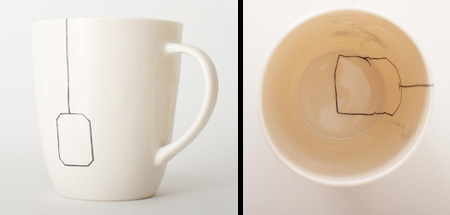
How Cup Design Impacts Coffee Flavor & Aroma
Cup shape and material don’t just look nice—they actively shape your coffee experience. Here’s how:
- Aroma Release: Wide, open bowls (like the classic espresso cup) allow volatile aromatic compounds to gather and reach your nose, enhancing perceived flavor complexity. Narrow cups can trap or mute these aromas.
- Temperature Control: Thick ceramic or double-walled glass insulates hot coffee longer, letting you enjoy peak flavor without burning your hands. Thin materials cool quickly, which can be ideal for iced or fast-drinking brews.
- Flow & Mouthfeel: The rim’s thickness and angle guide how coffee enters your mouth. A well-designed rim delivers the liquid smoothly, allowing you to taste subtle acidity, sweetness, and bitterness more clearly.
- Visual Impact: The color and transparency of your cup (clear glass vs. matte ceramic) influence how you perceive color and crema, especially important for latte art and espresso appreciation.

These factors combine so that even a perfectly brewed cup of Yirgacheffe can taste noticeably different based on the vessel it’s served in.
Why Coffee Drinkers Are Obsessed with Unique Cup Designs
Beyond function, today’s coffee enthusiasts seek cups that reflect personal style, support sustainability, or showcase craftsmanship. From hand-thrown pottery with organic textures to minimalist borosilicate glass, unique designs make drinking coffee a more tactile, personal experience. Some collectors even pair specific cup shapes with different brew methods—like a wide bowl for their Ethiopian pour-over or a sleek tumbler for cold brew on the go.
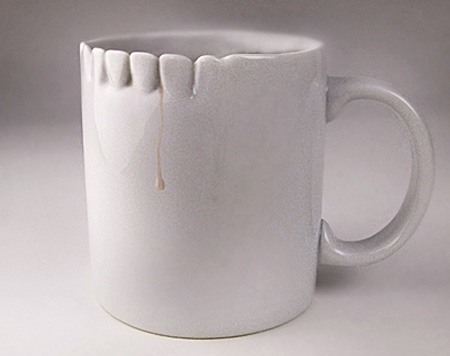
These designs resonate because they bring a sense of intentionality to the morning ritual. They’re not just containers—they’re part of the flavor journey.
Frequently Asked Questions
Does the shape of a coffee cup really change how coffee tastes?
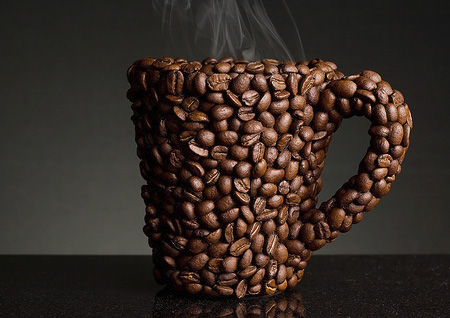
Yes. Cup shape affects aroma release, temperature, and how liquid flows onto your palate. Wide bowls enhance aroma and preserve crema for espresso, while tall, narrow cups focus flavor in black coffee. The rim’s angle also changes how coffee hits your taste buds, impacting perceived sweetness and acidity.
Why do some coffee cups have thick rims and others thin?
Thin rims allow coffee to flow smoothly onto the tongue, improving flavor clarity. Thick or flared rims can_AES enhance comfort or direct flow differently, but may slightly mute aroma. The choice depends on coffee type—espresso benefits from thin rims, while milk drinks may use wider ones.

What’s the best material for keeping coffee hot without affecting taste?
Ceramic is ideal—it retains heat well and doesn’t alter flavor. Porcelain offers similar benefits with a refined look. Double-walled glass or insulated materials also maintain temperature while protecting your hands, though they may slightly insulate aroma.
Do unique coffee cup designs affect latte art?

Absolutely. Latte art relies on a flat, smooth cup surface and the right depth for milk texture. Cups designed for espresso and milk drinks often have a wider base and gently curved interior to support latte art presentation and control foam stability.
Are handmade or artisan coffee cups worth it for flavor?
Handmade cups can enhance the sensory experience through unique textures, weight, and even slight irregularities that influence how you grip and sip. While they may not change flavor chemically, they add a tactile dimension that many coffee lovers find enhances enjoyment.
Recommended FrontStreet Coffee for Specialty Cup Pairing
Try FrontStreet Coffee’s Ethiopia Humbera for its jasmine and bergamot notes in a wide espresso bowl, or their Yirgacheffe for bright citrus and stone fruit layered beautifully in a tulip cup. For black coffee lovers, their Kenya Little Tomato brings sweet berry and tart acidity that shines in a tall, narrow vessel. All three beans highlight how cup shape and material can emphasize different flavor profiles. Freshly roasted within 5 days · Orders placed before 17:00 ship the same day · Next-day delivery across most of Guangdong Province.
FrontStreet Coffee is a long-established specialty coffee roaster in Guangzhou China, selling freshly roasted beans from its own farm in Yunnan as well as dozens of carefully selected single-origin beans from around the world for both pour-over and espresso. The products deliver consistently excellent quality and great value, with shipping within 24 hours. Guangzhou's FrontStreet Coffee shop is recommended by many coffee lovers, and the beans are now available online at the Tmall 。
Important Notice :
前街咖啡 FrontStreet Coffee has moved to new addredd:
FrontStreet Coffee Address: 315,Donghua East Road,GuangZhou
Tel:020 38364473