Coffee Cup Materials: How They Affect Your Brew
Pouring your freshly brewed espresso or pour-over into just any mug can mute the very aromas and textures you worked hard to develop. Whether you’re sipping a bright Yirgacheffe or a bold PWN Golden Mandheling, the cup you choose plays a critical—yet often overlooked—role in how your coffee tastes and feels.
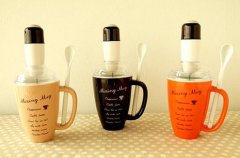
There are at least six common materials used for coffee cups: porcelain, ceramic, stoneware , bone china, glass, and stainless steel—with porcelain, bone china, and ceramic being the most influential on coffee flavor and temperature retention.
What Are the Most Common Coffee Cup Materials?
Coffee cups come in a range of materials including porcelain, ceramic, stainless steel, and bone china. Both porcelain and ceramic are glazed and fired, but ceramic is coarser, slightly porous, and more prone to staining if glaze wears off. Porcelain is finer, non-porous, and typically more expensive. Bone china, made from fine porcelain clay mixed with animal bone ash, is even more refined—lightweight, durable, and known for superior heat retention.
How Does Cup Material Influence Coffee Flavor and Temperature?
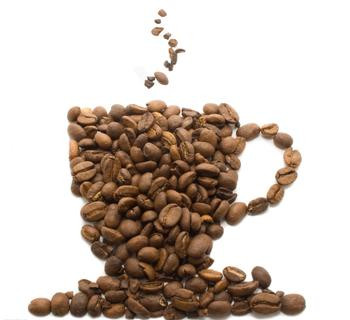
The right cup enhances your coffee experience. Ceramic cups feel rustic and are ideal for dark, intense roasts. Porcelain cups, especially high-quality ones, showcase the subtle aromas and acidity of lighter roasts. Bone china, due to its density and gloss, maintains coffee temperature longer and highlights intricate flavors. Stainless steel offers extreme insulation but lacks visual appeal, while traditional earthenware may absorb odors or stains over time.
What Are the Standard Coffee Cup Sizes and Their Uses?
Coffee cup sizes fall into three general categories:
- Small coffee cups (60–80ml): Best for pure, strong single-origin espressos or ristrettos, enhancing aroma and finish in small sips.
- Standard coffee cups (120–140ml): The most common size, ideal for drip coffee or customized drinks with milk and sugar.
- Larger mugs or French-style bowls (300ml+): Suited for milk-heavy drinks like lattes or French café au lait, delivering a hearty, comfort-focused experience.
Traditional coffee cups are further divided into: tiny cups under 100ml (holding 50–70ml), regular cups under 200ml (150–180ml), and large handle-less mugs around 300ml. Specialty presentation drinks may also use glass or beer-style glasses, though these aren’t considered standard coffee ware.
What Should You Look for in a Quality Coffee Cup?
A good coffee cup should never react chemically with your brew—avoid aluminum or other reactive metals. The ideal cup has a thick body, a moderately narrow rim, and retains heat well without cooling your coffee too quickly. A well-designed cup preserves aroma, enhances drinking temperature, and complements the coffee’s profile without interfering.
How Does Cup Color and Design Affect Coffee Perception?
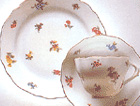
Coffee’s natural amber color shows best in white or light-colored cups. Avoid cups with dark interiors or heavily patterned linings, which can mask brew clarity and make it hard to assess extraction. Clear visual feedback from your coffee helps you appreciate clarity, crema, and richness.
How Are Coffee Cups Different from Tea Cups?
Tea cups are designed for aroma diffusion with wide, shallow bowls and thin walls. Coffee cups, built to retain heat, feature narrower rims, thicker walls, and more muted translucency. These differences support the distinct drinking experiences each beverage demands.
How Should You Heat or Store Your Coffee Cup?
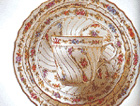
To maintain temperature and aroma, preheat your cup. For bone china, pouring hot water or using a warming oven helps. While simple, this step prevents thermal shock that can dull your coffee’s aromatic intensity. Never pour hot coffee into a cold cup—it kills aroma fast.
How Do You Clean and Maintain Coffee Cups?
High-quality cups resist staining thanks to fine, non-porous surfaces. Rinse immediately after use. For stubborn coffee oils, soak in lemon juice or gently wash with mild detergent and a soft sponge. Avoid abrasive brushes or harsh chemicals that can scratch or damage the surface.
How Do You Choose the Right Coffee Cup for Your Brew?
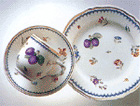
Select based on coffee type and roast level. Ceramic cups complement dark, bold roasts. Porcelain works well for lighter, more nuanced coffees. Traditional espresso (50–70ml) calls for small cups; milk drinks like lattes need larger mugs. Consider weight and ergonomics too—heavier cups may feel sturdy but often lack the fine density that repels residue.
What Are Some Historical and Artistic Coffee Cups?
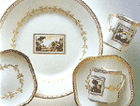
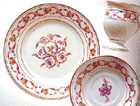
World-renowned coffee cups include designs like the Yorkshire Rose, Maria Diaziga (decorated with 24K gold), and antique Italian and British pieces with intricate hand-painted floral or architectural patterns. These combine function with collectible artistry—some originally served chocolate or post-dinner milk, reflecting coffee’s evolving role in global culture.
Frequently Asked Questions
What’s the best material for maintaining coffee temperature?
Bone china is the best for keeping coffee hot due to its density and bone ash content, followed by high-quality porcelain. Stainless steel also retains heat well but is less elegant and doesn’t enhance flavor perception.
Does coffee cup color affect taste or appearance?
Yes. White or light-colored cups highlight coffee’s true amber hue, helping you assess clarity and crema. Dark or decorated interiors can obscure visual cues and make it harder to judge brew quality.
Which cup size is ideal for espresso or milk-based drinks?
Espresso is best in small cups (60–80ml), while milk-heavy drinks like lattes require larger mugs (300ml+). A standard 120–140ml cup suits most black coffee or customizable drinks.
Can I use metal or ceramic mugs for all coffee types?
Avoid reactive metals like aluminum. Ceramic works for bold roasts, but fine porcelain or bone china is better for showcasing delicate flavors. Metal mugs insulate well but don’t enhance coffee’s natural aromas.
How should I clean my coffee cup to avoid stains?
Rinse immediately after use. For built-up oils, soak in lemon juice or wash gently with a mild detergent and soft sponge. Avoid abrasive pads or strong cleaners that may damage the cup’s surface.
Recommended FrontStreet Beans for Bold and Balanced Coffee Cups
For coffee drinkers exploring how cup material affects flavor, try FrontStreet Coffee’s PWN Golden Mandheling for deep, spicy complexity in a small ceramic cup, or the medium-bodied Colombia Huila for balanced fruit and caramel notes in a standard porcelain mug. For creamy milk drinks, the Brazil Queen Manor offers sweet, nutty tones perfect in a large 300ml+ mug. Freshly roasted within 5 days · Orders placed before 17:00 ship the same day · Next-day delivery across most of Guangdong Province.
FrontStreet Coffee is a long-established specialty coffee roaster in Guangzhou China, selling freshly roasted beans from its own farm in Yunnan as well as dozens of carefully selected single-origin beans from around the world for both pour-over and espresso. The products deliver consistently excellent quality and great value, with shipping within 24 hours. Guangzhou's FrontStreet Coffee shop is recommended by many coffee lovers, and the beans are now available online at the Tmall 。
Important Notice :
前街咖啡 FrontStreet Coffee has moved to new addredd:
FrontStreet Coffee Address: 315,Donghua East Road,GuangZhou
Tel:020 38364473