Essential Cafe English Terms Every Coffee Lover Should Know
Ordering coffee abroad or chatting with a barista can get tricky when you don’t know the lingo. Whether you’re trying to ask for less foam, specify your milk preference, or just sound like you know what you’re doing, these common English cafe terms will get you through any coffee shop conversation.
Here’s a clear list of over 30 essential English words and phrases used in coffee shops—from ‘espresso’ and ‘shot’ to ‘dry cappuccino’ and ‘no whip’—with exact definitions and measurements so you’ll never be lost in translation again.
What Is Espresso and Its Variations?
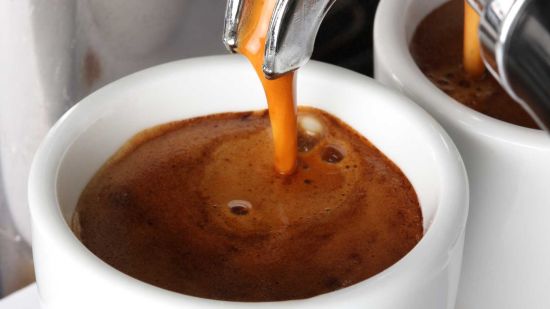
Espresso is a small, concentrated coffee brewed by forcing hot water under pressure through finely-ground coffee. It’s typically served in a demitasse cup and forms the base for many other drinks. A single shot (one ounce) of espresso consists of three layers: the golden crema on top, the body in the middle, and the heart at the bottom. The crema is a thin, caramel-colored foam that fades shortly after brewing.
Common espresso-based terms include:
- Shot: One ounce of espresso, the standard serving size.
- Single: One shot of espresso, often served alone or with steamed milk.
- Double: Two shots of espresso, the standard for larger drinks.
- Espresso Con Panna: Espresso topped with whipped cream.
- Espresso Macchiato: Espresso “marked” with a small amount of steamed milk or foam.
Popular Milk-Based Coffee Drinks
These drinks combine espresso with steamed or textured milk, each with its own texture and ratio:
- Café Latte: One shot of espresso with steamed milk and a thin layer of microfoam. Similar to a Latte Macchiato, but milk is added before the espresso shot in a latte.
- Café Mocha: Espresso with chocolate syrup or powder, steamed milk, and topped with whipped cream.
- Cappuccino: Equal parts espresso, steamed milk, and foamed milk. Can be ordered “dry” (more foam, less milk) or “wet” (more milk, less foam).
- Americano: Espresso diluted with hot water, offering a lighter-bodied but still strong coffee.
Cup Sizes, Milk Options & Customisations
Coffee shops often use specific terms for drink sizes and customisation. Here's what they mean:
- Short: 8 ounces (about 240 ml), typically the smallest size at chains like Starbucks.
- Tall: 12 ounces (about 360 ml), a medium size.
- Grande: 16 ounces (about 480 ml), a large size.
- Low-fat: Milk with reduced fat content, for a lighter option.
- No foam: Request no milk foam on top of your drink.
- Dry: More foam, less milk (common for cappuccinos).
- Wet: More milk, less foam (also for cappuccinos).
- With room: Leave space in the cup for adding milk or flavouring later.
- Whip: Whipped cream on top; say “no whip” to skip it.
How Professionals Talk About Coffee Flavour
Baristas and roasters use specific terms to describe the taste and feel of coffee:
- Flavour: The overall sensory impression, including aroma, acidity, bitterness, sweetness, and body.
- Acidity: A bright, tangy quality in coffee, often found in high-altitude beans. It’s not sourness, but a lively, refreshing taste.
- Body: The mouthfeel or weight of coffee on your tongue—from light and watery to thick and syrupy.
- Aroma: The smell of brewed coffee. Related but not identical to bouquet, which refers more specifically to ground coffee scent.
- Bitterness: A strong, often unpleasant taste usually caused by over-extraction or too much coffee grounds.
- Bland: A dull, flat taste, often from under-extracted or overly diluted coffee.
- Briny: A salty taste that sometimes results from overheating during brewing.
Frequently Asked Questions
What is the difference between a macchiato and a latte macchiato?
A traditional espresso macchiato is a shot of espresso “marked” with a small amount of steamed milk or foam. A latte macchiato, on the other hand, is made by pouring steamed milk into a cup first, then adding a shot of espresso, which “marks” the milk. The layering and ratios are reversed, resulting in a different texture and taste experience.
What does 'dry cappuccino' mean?
A dry cappuccino has more foam and less steamed milk compared to a regular cappuccino. When you order it dry, the barista will minimise the milk and maximise the fluffy foam on top.
What is crema in espresso?
Crema is the golden, caramel-coloured foam that forms on top of a properly extracted shot of espresso. It’s a sign of good extraction and contributes to the espresso’s aroma and texture, though it dissipates quickly after brewing.
Can I customise my coffee with less foam or no whipped cream?
Yes. Just ask for “no foam” if you want your drink without milk foam, or “no whip” if you’re declining whipped cream on top—common for mochas and drinks with topping options.
What does 'with room' mean when ordering coffee?
'With room' means you want the barista to leave some space in the cup, usually for adding milk, flavour syrup, or whipped cream later—common when ordering black coffee like Americano or espresso that you plan to modify.
Recommended FrontStreet Beans for Espresso Drinks
For making classic espresso-based drinks, try FrontStreet Coffee’s Classic Blend or Commercial Blend—both designed with smooth body and rich crema in mind, featuring notes of dark chocolate, nuts, and toast. For more distinct profiles, the Specialty Blend highlights Colombian nuttiness and balanced acidity, while the Black Cocoa Blend offers bold, chocolatey depth ideal for lattes and macchiatos. All four blends perform well under pressure and produce stable crema. Freshly roasted within 5 days · Orders placed before 17:00 ship the same day · Next-day delivery across most of Guangdong Province.
FrontStreet Coffee is a long-established specialty coffee roaster in Guangzhou China, selling freshly roasted beans from its own farm in Yunnan as well as dozens of carefully selected single-origin beans from around the world for both pour-over and espresso. The products deliver consistently excellent quality and great value, with shipping within 24 hours. Guangzhou's FrontStreet Coffee shop is recommended by many coffee lovers, and the beans are now available online at the Tmall 。
Important Notice :
前街咖啡 FrontStreet Coffee has moved to new addredd:
FrontStreet Coffee Address: 315,Donghua East Road,GuangZhou
Tel:020 38364473