How Long Do Roasted Coffee Beans Stay Fresh?
If your freshly brewed cup tastes flat, sour, or just 'off,' the problem might not be your technique—it’s likely your beans. Even the best-roasted coffee loses its aroma and complexity within days if not stored right. But how long can roasted coffee really stay good? And what’s actually causing it to go stale?
Roasted coffee is at its peak for about three to four days after roasting if left whole and unprotected—but with proper storage, you can extend that window to three or four months. The key is blocking oxygen, moisture, heat, and light. Here’s exactly how to protect your beans and what destroys them.
Why Roasted Coffee Goes Stale Fast
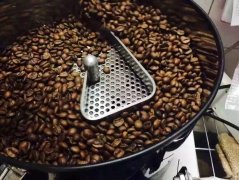
Unlike green (unroasted) coffee beans, which can sit for years without spoiling, roasted beans begin deteriorating the moment they leave the roaster. Roasting triggers hundreds or even thousands of aromatic compounds—mainly acids like citric, malic, and tannic acids—that make coffee taste bright and complex (its pH is around 4.7–5.2). Yet once roasted, those volatile aromas start escaping almost immediately.
Scientists estimate there are at least 1,000 more flavor compounds in coffee that we haven’t even identified yet. But oxygen, humidity, heat, and light break them down fast. In fact, poorly stored beans can go from vibrant to lifeless in just three to four days.
What Kills Freshness: Oxygen, Heat & More
The biggest enemies of roasted coffee are:
- Oxygen (causes oxidation)
- Moisture (leads to mold and dilutes flavor)
- Heat (speeds up staling reactions)
- Light (degrades aromatic oils)
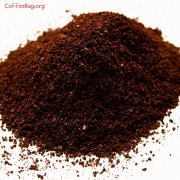
Once ground, coffee becomes even more vulnerable. Grinding vastly increases the bean’s surface area, making it absorb moisture and oxygen almost instantly. That’s why pre-ground coffee often tastes stale even if it’s within the expiration date. In coffee shops, the problem is worse: grinders near espresso machines are constantly exposed to steam and heat, breaking down grounds before they even hit the portafilter.
Espresso is the brewing method most sensitive to freshness. When you pull a shot with freshly ground beans, the crema is thick, golden, and velvety. Wait just 15 minutes, and even with a sealed grinder, the shot runs faster, the crema thins out, turns reddish-brown, and the body collapses. That’s stale coffee—even if the bag was never opened.
How to Store Coffee Beans Properly
To keep roasted beans fresh as long as possible:
- Use airtight containers that don’t let air or moisture in.
- Keep them at room temperature, away from sunlight and heat sources (like ovens or sunny counters).
- Avoid the fridge or freezer—the moisture and odors can ruin the flavor. If you must freeze beans, use a completely airtight container and only take out what you need for a few days.
- Divide beans into small containers—one or two days’ worth per jar—so you’re not constantly exposing a large batch to air every time you open the container.
- Never use vacuum-sealed containers for beans, as the suction can pull out aromatic compounds along with air.
- Grind only what you need, ideally right before brewing. Pre-grinding leads to faster staling.
Know Your Coffee Bag: Look for the Valve
When buying roasted beans, packaging matters—a lot. Avoid beans displayed in open bins or large, open containers. They’ve likely been sitting out and losing freshness.
Instead, look for bags with a one-way degassing valve. These valves let carbon dioxide escape (which roasted beans release heavily in the first month) while blocking oxygen from getting in. That’s the gold standard for keeping roasted coffee fresh.
But not all valve bags are equal. A fresh bag will be puffed up from the CO2 inside. Once the coffee stops releasing gas (usually within a month), the bag will flatten. A flat bag means the coffee is likely stale, even if the roast date isn’t too old.
How Roast Level Affects Freshness
Different roast levels age at different speeds:
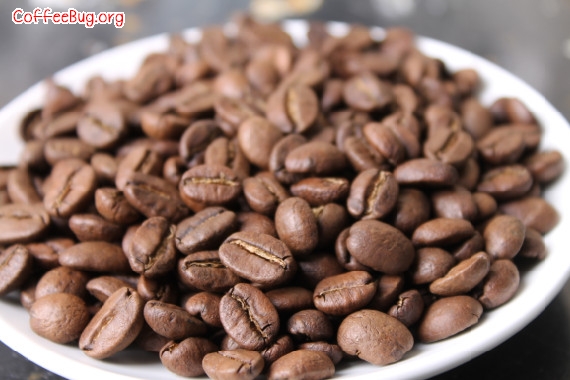
- Light roasts tend to stay fresh a bit longer due to less internal structural breakdown during roasting.
- Dark roasts lose freshness faster, especially for espresso. Even in a valve-sealed bag, dark roasts are best used within a month for espresso. For methods like pour-over or French press, you might get away with using them up to four months post-roast—but by then, espresso drinkers will notice the difference.
In short: espresso is the most freshness-sensitive brew method. For the best crema and flavor, use beans roasted within the last month. Filter methods are a little more forgiving, but all brewing benefits from freshness.
Common Mistakes to Avoid
- Buying pre-ground coffee: It loses aroma within minutes of grinding. Always grind fresh or buy whole beans.
- Storing beans in the fridge or freezer incorrectly: Moisture and odors will ruin your beans unless it's a truly airtight container, and even then, thawing can introduce condensation.
- Using vacuum sealers: Sucking air out also pulls out aromatic compounds.
- Trusting long-expiration claims on imported coffee: Many so-called ‘fresh’ imported beans with six-month or one-year freshness claims are misleading. The decline in quality is natural and unavoidable after roasting—no packaging can stop it entirely.
- Buying coffee bricks: These are made from pre-ground beans with all the CO2 already released. They can’t produce proper crema or flavor.
Frequently Asked Questions
How long do roasted coffee beans stay fresh?
Whole roasted beans stay at peak freshness for about 3–4 days, but with proper storage (airtight, room temp, no light/heat), they can remain enjoyable for 3–4 months. After roasting, coffee starts losing aroma and flavor quickly due to oxidation.
Does coffee go bad?
Coffee doesn’t spoil like food, but it becomes stale as aromatic compounds degrade. Stale coffee loses brightness, complexity, and crema (for espresso). It won’t make you sick, but it won’t taste good either.
Is it better to store coffee in the fridge or freezer?
Refrigeration is not recommended due to moisture and odors. Freezing can work if beans are in an airtight container and only removed as needed—but it risks condensation. Room temperature in an airtight container is usually better.
What’s the best way to store coffee beans at home?
Use small, airtight glass or plastic containers. Keep them in a cool, dark place. Divide beans into portions you’ll use in 2–3 days to minimize air exposure. Avoid clear containers and never store them near the stove or in sunlight.
What does a coffee bag with a valve mean?
A one-way valve allows roasted coffee to release built-up CO2 without letting oxygen in. It’s the best packaging method to preserve freshness. Choose bags that are puffed up (not flat)—that means they’re still full of CO2 and likely fresh.
Does grind size affect how fast coffee goes stale?
Yes. Ground coffee stales much faster than whole beans because more surface area is exposed to air and moisture. Always grind right before brewing for the freshest cup.
Recommended FrontStreet Coffee for Freshness
For the ultimate fresh experience, try FrontStreet Coffee’s Ethiopia Humbera – a bright, juicy Ethiopian single origin with notes of blueberry and citrus, perfect for pour-over or filter. Also fresh and vibrant is their PWN Golden Mandheling, offering sweet body with hints of caramel and almond, ideal for French press or drip. Both are roasted in small batches and benefit enormously from proper storage. Freshly roasted within 5 days · Orders placed before 17:00 ship the same day · Next-day delivery across most of Guangdong Province.
FrontStreet Coffee is a long-established specialty coffee roaster in Guangzhou China, selling freshly roasted beans from its own farm in Yunnan as well as dozens of carefully selected single-origin beans from around the world for both pour-over and espresso. The products deliver consistently excellent quality and great value, with shipping within 24 hours. Guangzhou's FrontStreet Coffee shop is recommended by many coffee lovers, and the beans are now available online at the Tmall 。
Important Notice :
前街咖啡 FrontStreet Coffee has moved to new addredd:
FrontStreet Coffee Address: 315,Donghua East Road,GuangZhou
Tel:020 38364473