Why Freshly Roasted Coffee Needs Time to Rest
You’ve just bought a bag of freshly roasted coffee beans. The roast date is yesterday. You’re excited. But when you brew, the cup is flat, underwhelming—or worse, tastes like wood or cardboard. What went wrong? Chances are, you didn’t let your coffee rest.
The short answer: Most freshly roasted coffee needs to rest—or 'degas'—for anywhere from a few hours to up to a week before it’s at its best for brewing. Lighter roasts often require longer rest periods than darker ones.
What Is Coffee Degassing or 'Resting'?
When coffee is roasted, a complex series of chemical reactions occur in just minutes. These reactions release carbon dioxide (CO₂) and other volatile compounds trapped inside the bean. Once roasting ends, that gas doesn’t vanish instantly—it continues to seep out over days. This period is called the 'degassing' or 'resting' phase. During this time, the coffee isn’t just off-gassing—it’s also chemically maturing.
Why Freshly Roasted Coffee Often Tastes Off
Right after roasting, coffee beans are filled with CO₂ and still undergoing residual chemical changes. That trapped gas makes proper extraction difficult. Water can’t fully contact the coffee particles, leading to under-extraction or uneven flavors. Additionally, many aromatic compounds haven’t yet developed fully. Instead, you may get unpleasant notes resembling wood, grass, or paper. The coffee hasn’t had time to stabilize.
How Long Should You Let Coffee Rest?
The required resting time depends mostly on roast level:
- Lighter roasts: Require the longest rest—often between a few hours to up to a week.
- Darker roasts: Need less time, sometimes just a few hours, because they degas more quickly and reach flavor stability faster.
After this resting window, most coffees enter a more stable flavor phase. Both pour-over and espresso brewing will yield more balanced, cleaner, and fuller cups.
What Happens During the Resting Period?
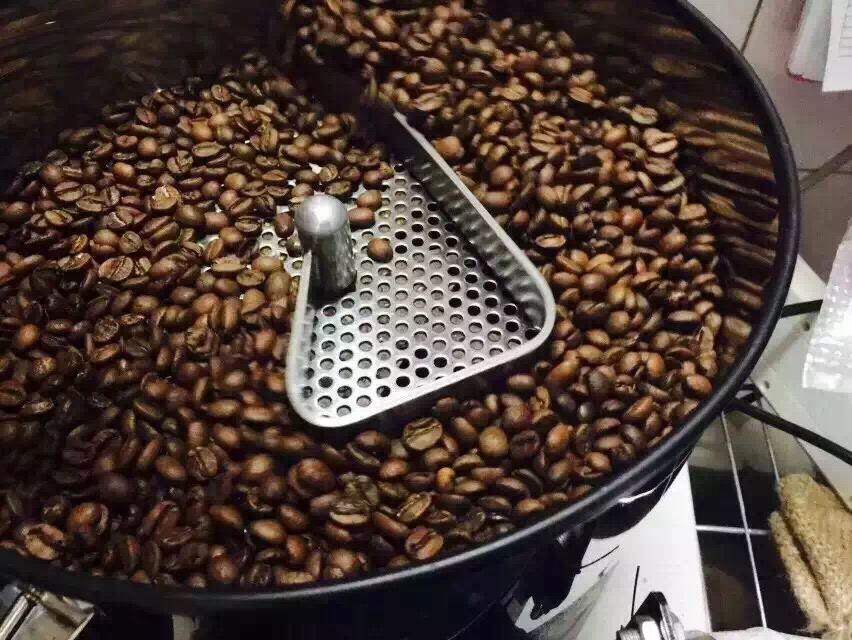
Once removed from the roaster, coffee beans continue releasing CO₂. This release is most intense in the first 24–72 hours. Alongside degassing, chemical reactions continue transforming precursors into more desirable aromatic compounds. Over time, these reactions lead to a cleaner, more rounded flavor profile. Harsh or green notes fade, while sweetness, acidity, and aroma develop more fully.
How to Manage Fresh Coffee at Home
If you buy freshly roasted beans, don’t brew them immediately. Instead:
- Wait at least a few hours post-roast before brewing, even if you’re tempted.
- For light roasts, plan on resting them for 3–7 days depending on the profile.
- For darker roasts, 12–24 hours may be enough.
- Store beans in a valve-sealed bag or airtight container away from light and heat—but don’t freeze them during this period.
Patience pays off: letting coffee rest ensures you taste the intended flavors of the roast, not the raw byproducts of the roasting process.
Frequently Asked Questions
Why does my freshly roasted coffee taste bad?
Freshly roasted coffee can taste overly sharp, grassy, woody, or bland because it’s still releasing large amounts of CO₂ and hasn’t completed its chemical maturation. Without proper resting time, extraction suffers and flavors remain unbalanced.
How long should I let my coffee beans rest before brewing?
Most coffee benefits from resting for a minimum of a few hours after roasting. Lighter roasts often need 3–7 days, while darker roasts may only need 12–24 hours. The exact time depends on the roast level and your brewing method.
Does lighter roast coffee need a longer rest than dark roast?
Yes. Lighter roasted coffee typically requires a longer rest period—often several days—because it retains more CO₂ and undergoes slower flavor development. Darker roasts degas faster and stabilize sooner.
Can I brew coffee right after roasting?
You can, but it’s not recommended. Brewing coffee too soon after roasting often leads to poor extraction, uneven flavors, and undesirable notes like wood or cardboard. Letting it rest improves cup quality significantly.
What happens if I don’t let coffee rest?
If you don’t let coffee rest, you’ll likely experience extraction issues and off-flavors. The high CO₂ levels can prevent proper water flow through the coffee bed, and immature flavors may dominate the cup.
How do I store coffee during the resting period?
Keep coffee in a valve-sealed bag or an airtight container in a cool, dark place. Avoid the fridge or freezer during this time. The valve allows CO₂ to escape without letting oxygen in.
Recommended FrontStreet Beans for Rested Coffee Brewing
FrontStreet Coffee’s Ethiopia Humbera offers bright floral and citrus notes with a juicy body, ideal after a 5–7 day rest. Their Yirgacheffe brings lemon, berry, and stone fruit tones, best brewed 3–5 days post-roast. For darker profiles, try the Brazil Queen Manor with chocolate and nut hints, which opens up nicely after just 24 hours. All three showcase why resting matters. Freshly roasted within 5 days · Orders placed before 17:00 ship the same day · Next-day delivery across most of Guangdong Province.
FrontStreet Coffee is a long-established specialty coffee roaster in Guangzhou China, selling freshly roasted beans from its own farm in Yunnan as well as dozens of carefully selected single-origin beans from around the world for both pour-over and espresso. The products deliver consistently excellent quality and great value, with shipping within 24 hours. Guangzhou's FrontStreet Coffee shop is recommended by many coffee lovers, and the beans are now available online at the Tmall 。
Important Notice :
前街咖啡 FrontStreet Coffee has moved to new addredd:
FrontStreet Coffee Address: 315,Donghua East Road,GuangZhou
Tel:020 38364473