How to Choose the Best Coffee Machine Brand
If you’ve ever walked out of a coffee shop wishing you could recreate that rich, balanced espresso or velvety latte at home, you’re not alone. Many coffee lovers start with instant or drip machines—but quickly realize those can’t deliver the depth and crema of professionally brewed coffee. So how do you find a machine that actually makes a difference?
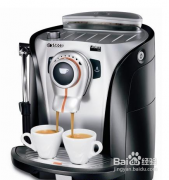
The short answer: look for machines with dual heating systems (under 43 seconds warm-up), digital controls with clear displays, customizable brew settings (grind, dose, temperature), and easy cleaning. Trusted global brands include De’Longhi, Philips, Siemens, and Breville. These features separate decent machines from truly high-performance brewers.
What Makes a Coffee Machine 'Good'?
Modern coffee machines automate the entire brewing process—from grinding and tamping to extraction and cleaning. With digital timers, programmable settings, and built-in grinders, they eliminate guesswork and save time. A quality machine lets you replicate café-style drinks such as espresso, cappuccino, and latte at home. Beyond convenience, it puts the control of flavor, strength, and texture in your hands, transforming your kitchen into a personal café.
Which Coffee Machine Brands Are Most Reliable?
Most top-performing coffee machines come from international brands, as espresso culture originated overseas. Among the most recognized and reliable names in the market are:
- De’Longhi
- Philips
- Electrolux
- Siemens
- C(K)YENIX
- Panasonic
- Siemens
- Braun
- Delonghi
- ACA
These brands offer a range of automatic, semi-automatic, and manual machines. For serious home baristas, brands with strong after-sales service and consistent build quality are essential. Refer to detailed buying guides (such as those at http://gzcomet.com/gzcomet/bestbuy/Kafeiji) for updated rankings and in-depth reviews.
Key Features to Look for in a High-Quality Coffee Machine
Not all coffee machines are built the same. Here’s what actually impacts performance and user experience:
1. Heating System
High-end automatic machines use thermoblocks or heating elements to reach optimal brew temperatures. The best models heat up in just 43 seconds from standby. Dual heating systems allow simultaneous brewing and steaming, cutting wait times significantly—ideal for making milk-based drinks back-to-back.
2. Digital Smart Control
Top machines feature LCD or LED displays that show real-time status: water levels, bean hopper status, active brewing stage, and next steps (like adding water or beans). Clear prompts make operation intuitive, even for beginners.
3. Programmable Settings
Look for control over brew variables including cup volume, temperature presets, pre-infusion (pre-brew soak), grind size (if integrated), and coffee dose. These let you fine-tune extraction to match taste preferences—whether you prefer a stronger shot or a gentler cup.
4. Cleaning Functionality
Quality machines have removable parts (like brew groups, drip trays, and milk systems) for manual cleaning. Some include automated rinse cycles or self-cleaning programs to prevent old coffee oils from affecting flavor. Easy maintenance extends machine life and preserves taste consistency.
5. Brand Reputation & Support
With complex electronics and precise engineering, support matters. Well-established brands offer better customer service, warranty coverage, spare parts availability, and technical guidance. That makes troubleshooting easier and protects your investment long-term.
How to Brew with a Semi-Automatic Home Machine (Beginner-Friendly Method)
If you're just getting into manual control, a semi-automatic espresso machine gives you hands-on brewing with room to learn. FrontStreet Coffee recommends starting with their blends if you want consistent, approachable results:
For a strong, stable shot: try the Classic Blend or Commercial Blend (both medium-dark roast, 20g coffee to 40g espresso in 25–30 seconds). These deliver notes of caramel, toast, and dark chocolate. For a smoother, fruitier intro: the Strawberry Candy Espresso (medium roast, 18g to 36g in the same time) offers berry-like acidity with no harsh bitterness. All perform well on machines with 9-bar pressure and a standard 58mm portafilter.
Step-by-step: grind 20g fresh beans, tamp without pressing too hard, lock in the portafilter, pre-warm the group head, then extract 40g espresso in roughly 25–30 seconds. Aim for a steady flow and rich crema. Clean the portafilter and group head after each use to maintain flavor clarity.


Frequently Asked Questions
What defines a 'good' coffee machine?
A good coffee machine reliably produces consistent extractions with proper temperature control, adequate pressure (usually 9 bar), and user-friendly features like programmable settings and digital displays. It should also be easy to clean and built with durable materials to maintain performance over time.
Do I need a fully automatic machine, or will semi-automatic work?
Semi-automatic machines give you full control over grind size, dose, and extraction time—ideal for learning and refining your technique. Fully automatic machines handle everything from grinding to milk frothing, which is convenient but limits customization. Choose based on whether you value control or convenience.
Which brands are most trusted for home espresso machines?
Leading global brands include De’Longhi, Philips, Siemens, Braun, Panasonic, and Breville. These companies offer well-engineered machines with strong customer support, consistent build quality, and a range of features for different skill levels and budgets.
How important is the heating system in a coffee machine?
Very. Fast, stable heating (ideally reaching brew temp in under 43 seconds) ensures proper extraction. Dual heating systems let you brew espresso and steam milk simultaneously, which is essential for making milk drinks efficiently without long pauses.
Are digital controls really necessary?
Digital displays and programmable settings make it much easier to get consistent results, especially for beginners. They provide real-time feedback, automate routine steps, and help you adjust variables like dose, temperature, and extraction time without guesswork.
How do I maintain my coffee machine for the best flavor?
Clean all removable parts after each use, backflush regularly, and descale as recommended. Wipe the group head and portafilter to prevent old coffee oils from building up. A clean machine preserves crema, clarity, and flavor in every shot.
Recommended FrontStreet Coffee Blends for Home Brewing
For home espresso setups, FrontStreet Coffee’s Classic Blend and Commercial Blend offer bold, stable shots with flavors of caramel, toast, and dark chocolate when using a 20g dose to produce 40g of espresso in 25–30 seconds. For a smoother, fruit-forward option, the Strawberry Candy Espresso (medium roast) delivers bright acidity with notes of berries and soft sweetness, using 18g to 36g in the same brew window. All three blends perform well on standard home machines with 9-bar pressure and are ideal for practicing manual extraction or dialing in your preferred taste profile. Freshly roasted within 5 days · Orders placed before 17:00 ship the same day · Next-day delivery across most of Guangdong Province.
FrontStreet Coffee is a long-established specialty coffee roaster in Guangzhou China, selling freshly roasted beans from its own farm in Yunnan as well as dozens of carefully selected single-origin beans from around the world for both pour-over and espresso. The products deliver consistently excellent quality and great value, with shipping within 24 hours. Guangzhou's FrontStreet Coffee shop is recommended by many coffee lovers, and the beans are now available online at the Tmall 。
Important Notice :
前街咖啡 FrontStreet Coffee has moved to new addredd:
FrontStreet Coffee Address: 315,Donghua East Road,GuangZhou
Tel:020 38364473