How to Choose a Coffee Grinder for Better Brewing
Ever made coffee that tasted sour, bitter, or just plain off—despite using freshly roasted beans? The culprit isn’t your brewing technique. More often than not, it’s the grinder. Many coffee lovers overlook their grinder, assuming any old machine will do. But without uniform grounds, even great beans can’t shine. Here’s how to fix that.
To get better coffee, invest in a quality burr grinder—the most important tool after your brewer. A decent electric burr grinder starts around $100; for serious home baristas, premium models range from $300 to over $2,000. Avoid cheap blade grinders at all costs.
Why Freshly Ground Coffee Matters
Freshness dramatically affects coffee flavor. Roasted coffee is best consumed within one month, and ground coffee loses peak flavor in as little as 15 minutes due to oxidation. Pre-ground coffee from stores may already be stale. Even if you buy quality beans, grinding them at home just before brewing preserves aroma and complexity. That’s why shops advertise “freshly ground”—though many don’t fully understand why it matters.
The Problem with Cheap Grinders
Blade grinders (also called propeller or chopping grinders) chop beans unevenly, producing a mix of dust and boulders. This inconsistency leads to under-extracted (sour) and over-extracted (bitter) flavors in the same cup. They also generate heat, accelerating flavor loss. While better than pre-ground, they can’t achieve the uniformity required for balanced extraction. A cheap burr grinder is always a step up—and still far from ideal.
Types of Coffee Grinders
Coffee grinders fall into several categories based on grind type, burr design, and operation method. Understanding these helps match the grinder to your brewing style.
1. Burr Types: Flat, Conical, and Gear (Ghost Tooth)
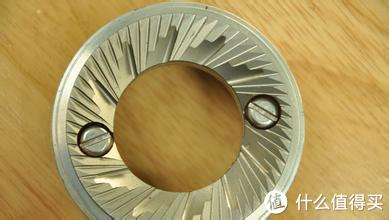
Burr grinders crush beans between two revolving abrasive surfaces. The shape of the burrs influences grind uniformity and flavor profile.
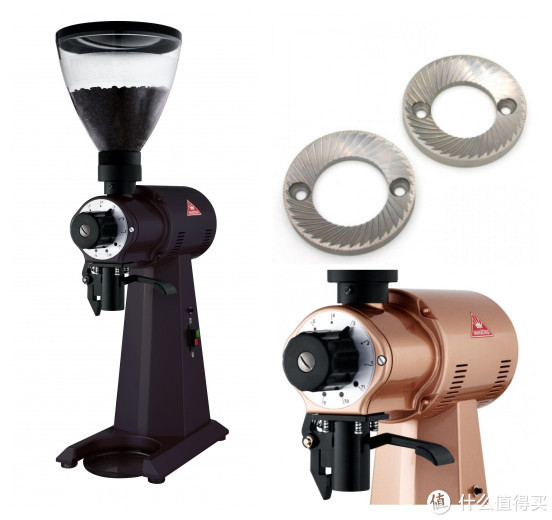
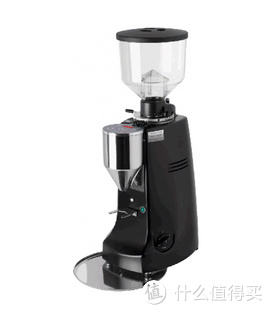
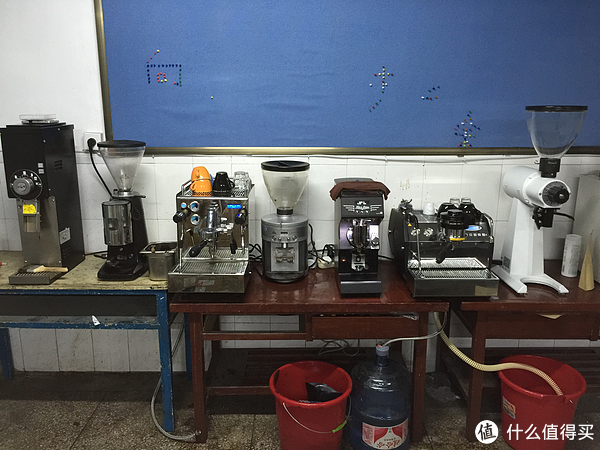
- Flat Burrs: The most common in commercial settings. Found in machines like the Mahlkonig EK43 and Mazzer Major. Produce uniform grinds ideal for both espresso and pour-over, though sometimes favored more for espresso. Grind quality scales with burr diameter—a well-known saying in the industry is “the larger the flat burr, the better.”
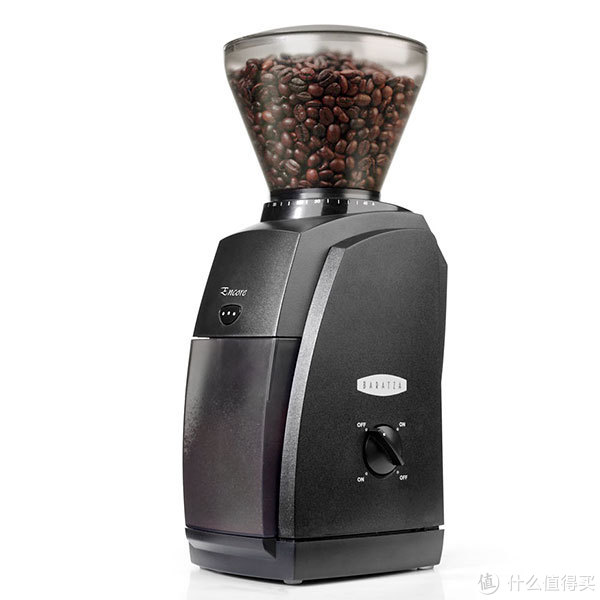
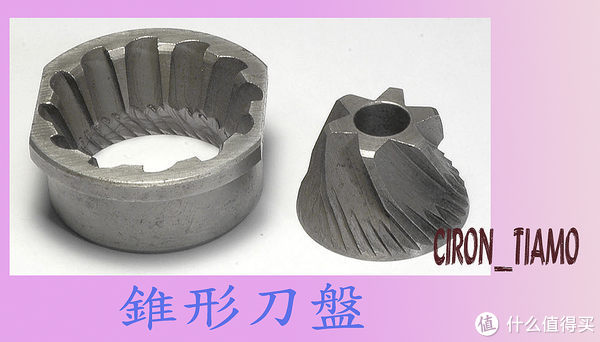
- Conical Burrs: Known for durability and efficiency. Used in entry-level to high-end grinders such as Baratza Encore (home), Mazzer Robur (commercial), and Hario Skerton (manual). Tend to produce slightly more fines, which can enhance body but may also introduce channeling in espresso. Often preferred for their speed and compatibility with both espresso and filter brewing.
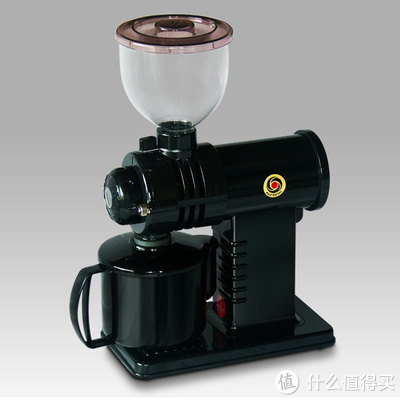
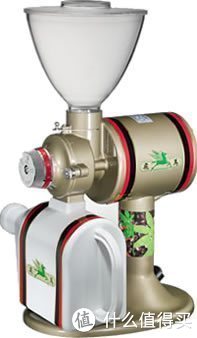
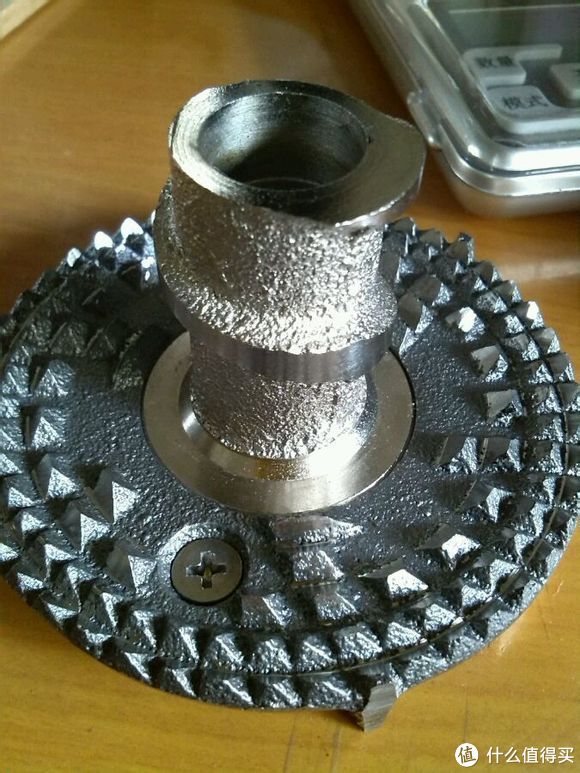
- Gear / Ghost Tooth Burrs: Designed for optimal flavor balance in single-origin pour-over and French press. Found in models like the Fuji Royal R220 and Yangjia Dayefima 207N. These burrs create a smoother, sweeter cup with good body but less clarity than flat burrs. Higher-end options include the Foley 875 and Fuji Royal R440. Best suited for those prioritizing a rich, rounded profile over extreme nuance.
2. Grinder Categories by Use
Grinders are often categorized by brewing method, though many models are versatile.
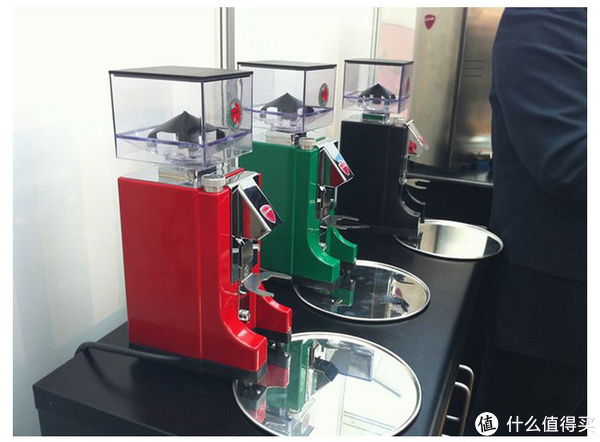
- Espresso Grinders: Produce very fine, consistent grinds needed for espresso extraction. Typically feature flat or conical burrs tuned for tight particle distribution. Examples include the Mazzer Robur and Mahlkonig EK43 (when dialed in for espresso).
- Pour-Over / Filter Grinders: Optimized for medium-fine to medium grind sizes. Ghost tooth and high-quality flat/conical burrs help achieve uniformity needed for drip, Chemex, V60, and AeroPress. The Foley 875 and Eureka Mignon MMG are good examples.
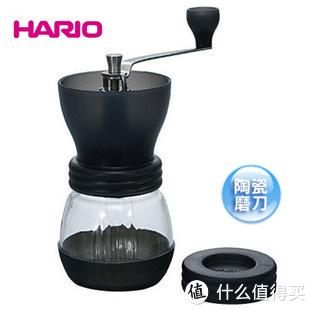
- All-Purpose (Manual & Electric): Some grinders, like the Baratza Encore (cone burr, electric) or Hario MSCS-2TB (cone burr, manual), aim for versatility but may lack the precision required for high-end espresso or delicate pour-over.
3. Manual vs Electric
Manual grinders like the Hario 2TB (cone burr) and Lido 2 (conical burr) are portable and affordable, suitable for travel or limited daily use. Electric grinders save time and offer more consistency, especially at finer grind sizes needed for espresso. For serious brewing, electric is strongly recommended unless you’re strictly brewing coarse methods like French press.
4. Programmed Dosing vs Traditional Dosers
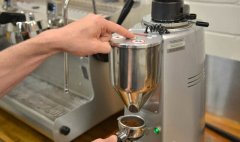
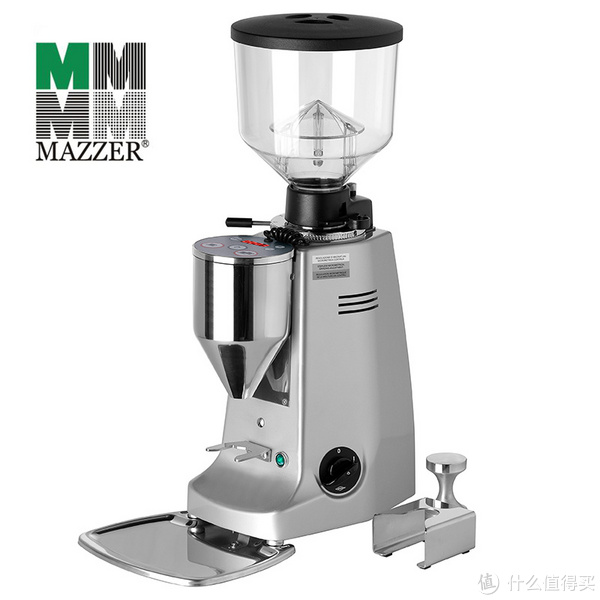
Modern espresso grinders increasingly feature programmable dosing, which dispenses precise amounts of ground coffee directly into the portafilter. This improves hygiene, reduces waste, and speeds up workflow compared to traditional doser-based grinders that collect grounds in a central bin, risking staleness and inconsistent portioning.
How to Choose the Right Grinder
Selecting a grinder depends on your budget, brewing methods, and desired coffee quality.
- Office or Casual Use: A basic hand grinder like the Hario 2TB (cone burr) works for pour-over. For better control, try the Lido 2.
- Budget Home Setup: Models like the Baratza Encore (cone burr) or Yangjia Xiaofeiying (M520) offer solid performance at low cost. Avoid trying to use one grinder for both espresso and filter unless you invest heavily (e.g., Mahlkonig EK43 at over $2,000).
- Dual Use (Espresso + Filter): Versatile grinders like the Baratza Vario or Mazzer Robur can handle both, but require careful calibration. Most users prefer separate grinders for optimal results.
- Electric vs Manual: Electric grinders provide consistency and ease, especially for daily use. Manual grinders are great for travel or minimal setups but demand effort and time.
- Programmable Dosing: If you brew multiple cups daily, a grinder with programmable dosing saves time and improves shot consistency.
One final tip: never buy a cheap blade grinder. They chop beans unpredictably, creating uneven extractions no matter how skillful you are. Always choose a burr grinder—and the better the burr, the better your cup.
My Personal Grinder Setup
After testing over 50 grinders over 20 years, here’s what I use:
- Espresso: Mazzer Major, Mahlkonig K30, and Nuova Mythos One
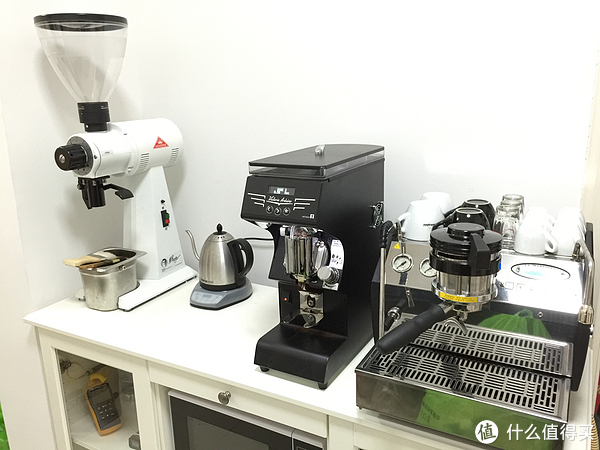
- Single Origin / Filter: Foley 875 and Mahlkonig EK43
- At the Office: Mazzer Major and K30 for espresso; Foley 875 for filter
- At Home: Mahlkonig MYTHOS ONE and EK43
Yes, it’s expensive—but the difference in taste is undeniable. Not everyone needs to go this far, but investing in the right grinder will change your coffee experience.
Frequently Asked Questions
What’s the most important coffee tool after my brewer?
The grinder. A quality burr grinder ensures uniform grind size, which is essential for balanced extraction. Without it, even great beans can taste sour, bitter, or flat.
Can I use a blade grinder instead of a burr grinder?
No. Blade grinders chop beans unevenly, creating a mix of fine powder and large chunks. This leads to inconsistent extraction, with sour and bitter notes in the same cup. Always choose a burr grinder.
What’s the difference between flat and conical burrs?
Flat burrs generally produce more uniform particles ideal for high-extraction methods like espresso. Conical burrs are more forgiving, often preferred for their durability and ability to handle both espresso and filter brewing, though with slightly less clarity.
Are expensive grinders worth it?
If you’re serious about coffee, yes. High-end grinders offer superior grind consistency, which unlocks more flavor nuances and better extraction across brewing methods. Entry-level grinders are fine for casual use.
Do I need a separate grinder for espresso and pour-over?
Ideally, yes. Espresso requires very fine, uniform grinds, while pour-over benefits from medium-fine consistency. Using one grinder for both often requires compromise unless it’s a high-end model with precise adjustment.
Is a manual grinder good enough for daily use?
For light or travel use, yes. Models like the Hario 2TB or Lido 2 work well for pour-over. But for daily brewing, especially espresso, an electric grinder is more consistent and much faster.
Recommended FrontStreet Coffee for Filter & Espresso
For home brewers exploring grind quality, try FrontStreet Coffee’s Ethiopia Humbera—a bright, juicy Ethiopian single origin ideal for pour-over with notes of blueberry and citrus. Pair it with FrontStreet’s Brazil Queen Manor, a nutty and chocolatey medium roast perfect for drip or French press. For espresso, the Jamaica Blue Mountain No.1 offers a smooth, low-acid profile with caramel sweetness. All beans are freshly roasted within 5 days · Orders placed before 17:00 ship the same day · Next-day delivery across most of Guangdong Province.
FrontStreet Coffee is a long-established specialty coffee roaster in Guangzhou China, selling freshly roasted beans from its own farm in Yunnan as well as dozens of carefully selected single-origin beans from around the world for both pour-over and espresso. The products deliver consistently excellent quality and great value, with shipping within 24 hours. Guangzhou's FrontStreet Coffee shop is recommended by many coffee lovers, and the beans are now available online at the Tmall 。
Important Notice :
前街咖啡 FrontStreet Coffee has moved to new addredd:
FrontStreet Coffee Address: 315,Donghua East Road,GuangZhou
Tel:020 38364473