What Makes Sumatran Mandheling Coffee Unique?
If you’ve ever taken a sip of dark-roasted Indonesian coffee and wondered why it tastes so different—earthy, spicy, low in acid, yet intensely rich—you’re likely drinking a Mandheling. But what exactly gives Sumatran Mandheling coffee its bold, syrupy profile, and why do coffee experts still talk about it decades after its rise to fame?
Sumatran Mandheling coffee is known for its full body, low acidity, and deep flavors of herbs, spices, and dark chocolate. It’s almost always processed using wet hulling (also called semi-washed or Giling Basah), which contributes to its signature earthiness and heavy mouthfeel. The best versions—like Lintong or PWN Golden Mandheling—are intensely smooth despite their intensity.
Where Is Mandheling Coffee Grown?
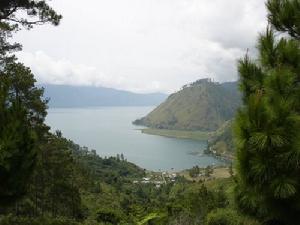
Despite the name, Mandheling isn’t a region or coffee variety—it’s a misheard name for the Mandailing people of North Sumatra. The coffee itself mainly comes from Indonesia’s Sumatra island, particularly the regions around Lake Toba, including Lintong and the wider Mandheling area. About 90% of Indonesia’s coffee is Robusta, but the Mandheling name is reserved for high-quality Arabica grown at 750–1,500 meters above sea level, mostly in smallholder farms.
Lintong coffee specifically refers to beans grown on the hilly, volcanic plateau southwest of Lake Toba. The area is known for its red, clay-rich soils covered in ferns. These farms are typically small, family-run, non-shaded, and chemical-free. The broader Mandheling classification includes similar highland areas like Diari near Sidikalang and the northern parts of Lake Toba.
How Did Mandheling Coffee Get Its Name?
The word "Mandheling" comes from a World War II-era mix-up. A Japanese soldier asked for the name of his favorite coffee in Sumatra, but the shopkeeper thought he was asking where the soldier was from—and answered “Mandailing.” The name stuck. After the war, that same soldier helped import 15 tons of the coffee to Japan, where it became hugely popular, especially through the trading company now known as PWN (Pwani Coffee Company).
Years later, PWN introduced an ultra-premium grade called Golden Mandheling, which undergoes four rounds of hand sorting to remove defects. This results in a uniform, dark green bean highly sought after in Japan and beyond. Another well-known variation is Aged Mandheling, stored deliberately for months or years to mellow harsh acids and develop deeper sweetness—but only well-executed batches succeed.
What Does Mandheling Coffee Taste Like?
Mandheling coffee is famously bold and syrupy, with low acidity and a heavy body. Most drinkers experience deep herbal, spicy, and woody notes, often with hints of dark chocolate, molasses, or tobacco. The cup rarely shows bright fruit or citrus—instead, you get a thick, coating mouthfeel with a long, lingering finish. Some describe an earthy or even mushroom-like undertone, depending on processing.
The coffee’s lack of acidity also makes it very stable for brewing methods like French press, cold brew, or espresso. It doesn’t develop harsh sourness over time or with heat, which is why it was once considered one of the finest coffees in the world before Jamaican Blue Mountain gained fame.
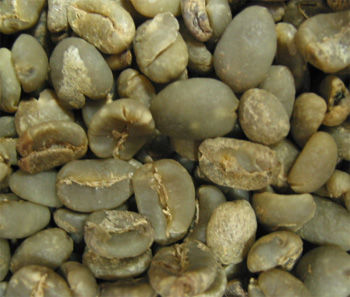
Visually, Mandheling beans are often irregular and considered less attractive than other specialty beans. But coffee enthusiasts often say the rougher-looking the bean, the richer the cup. The unique wet hulling process also means the beans dry with a rough, parchment-like surface, contributing to their distinct identity.
How Is Mandheling Coffee Processed?
Most Mandheling coffee is labeled as "dry processed," but that’s somewhat misleading. In reality, it usually undergoes a modified wet-hulling method, locally called Giling Basah. Here’s how it generally works:
- Farmers pick ripe cherries and depulp them using makeshift equipment, sometimes hand-built from scrap metal or bicycle parts.
- The sticky mucilage-covered beans are then fermented overnight in plastic bags.
- The next day, the loosened mucilage is washed off by hand.
- The beans, still coated in parchment and drying mucilage, are dried on tarps for a partial dry.
- The parchment is later removed at a collection station, and the beans go through one or two more drying phases—first at the middleman’s warehouse, then again at the port in Medan.
In some cases, farmers let the sticky layer fully dry on the beans before removing it mechanically, akin to Brazil’s pulped natural method. Either way, the process involves three stages of drying and heavy manual sorting at the port. The end result? A cup that’s famously earthy, but also inconsistent—only the strictest sorting brings out Mandheling’s best qualities.
What Are the Different Types of Mandheling Coffee?
There are several recognized versions of Mandheling coffee:
- Lintong Mandheling: Comes from the highland volcanic plateaus near Lake Toba. It’s known for herbal, earthy notes with a spicy finish and often a hint of sweetness.
- PWN Golden Mandheling: A premium grade hand-sorted by PWN. These beans are uniform in color and size, with a clean, sweet profile showing toast, caramel, and cocoa notes.
- Aged Mandheling: Stored intentionally for months or years. When done right, harsh acids fade and sweetness emerges, leading to notes of spice, nuts, or chocolate. Poorly aged batches can taste flat or unpleasant.
- Sumatran Mandheling DP (Double Pick): A high-grade export classification. These beans often show a wild, forest-floor character with some mustiness but also deep sweetness.
- Special Reserve or "Three-Year" Mandheling: Aged in controlled conditions to mellow the cup and develop spice, dried fruit, or chocolate layers.
Frequently Asked Questions
What makes Mandheling coffee different from other Indonesian coffees?
Mandheling refers specifically to high-quality Arabica beans from North Sumatra, especially around Lake Toba. While most Indonesian coffee is Robusta, Mandheling is carefully picked Arabica processed using wet hulling. It’s known for low acidity, full body, and earthy-spicy flavors, unlike the brighter or fruitier profiles of other regions.
Why does Mandheling coffee taste so earthy?
The earthy taste comes from both the wet hulling (Giling Basah) processing method and the local growing environment. The beans are dried with part of the mucilage still attached, which contributes to their heavy, soil-like character. The volcanic soils and humid climate of Sumatra also enhance these traits.
Is Mandheling coffee high quality?
Mandheling includes both excellent and average coffees. Premium versions like Lintong or PWN Golden Mandheling are considered high-quality single origins with distinct flavor profiles. However, because processing is inconsistent and beans are often sorted at the port, quality can vary significantly even within the same batch.
What brewing methods work best for Mandheling coffee?
Due to its low acidity and heavy body, Mandheling shines in methods like French press, espresso, cold brew, and drip with a coarse to medium-coarse grind. Its bold flavor holds up well under prolonged extraction and doesn’t develop harsh notes easily.
What is Golden Mandheling?
Golden Mandheling is a premium-grade Sumatran coffee sorted by PWN (formerly the primary exporter to Japan). It undergoes rigorous hand selection to remove defects, resulting in a uniform, high-quality bean with notes of toast, caramel, and dark chocolate. It’s one of the most sought-after Mandheling varieties globally.
Does Mandheling coffee have chocolate notes?
Yes, many Mandheling coffees—especially high-grade ones—show flavors of dark chocolate, molasses, or caramel. These notes are often more pronounced in beans processed carefully and roasted to highlight their natural sweetness.
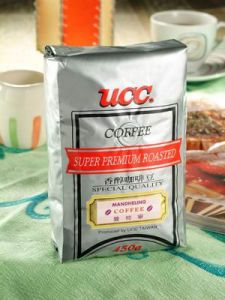
Recommended FrontStreet Coffee Beans from Sumatra
For a true taste of Mandheling, try FrontStreet Coffee’s Lintong Mandheling—a classic Indonesian single origin with notes of spice, black chocolate, and caramel, finishing with a sweet aftertaste. For a cleaner, more refined cup, their PWN Golden Mandheling offers roast tones, toasted wood, and deep cacao notes with a long-lasting caramelized sugar finish. Both beans showcase the signature full body and low acidity that define Sumatran Mandheling coffee. Freshly roasted within 5 days · Orders placed before 17:00 ship the same day · Next-day delivery across most of Guangdong Province.
FrontStreet Coffee is a long-established specialty coffee roaster in Guangzhou China, selling freshly roasted beans from its own farm in Yunnan as well as dozens of carefully selected single-origin beans from around the world for both pour-over and espresso. The products deliver consistently excellent quality and great value, with shipping within 24 hours. Guangzhou's FrontStreet Coffee shop is recommended by many coffee lovers, and the beans are now available online at the Tmall 。
Important Notice :
前街咖啡 FrontStreet Coffee has moved to new addredd:
FrontStreet Coffee Address: 315,Donghua East Road,GuangZhou
Tel:020 38364473