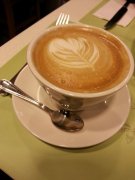
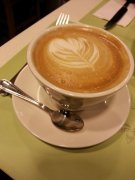
How Baristas Create Romantic Latte Art on Coffee Drinks
Remember those elegant coffee cups from Korean dramas—where black coffee meets delicate milk foam to form leaves, hearts, or even smiling faces? That’s not just TV magic. It’s the result of skilled baristas transforming a simple shot of espresso and steamed milk into edible art, all within seconds. But how do they do it, and what makes these coffee drinks so beloved worldwide?
The short answer: it’s the mix of espresso, steamed milk, and microfoam, plus precise pouring technique. Classic drinks like the cappuccino and latte rely on a 1:1 to 1:3 espresso-to-milk ratio, while latte art needs a smooth, velvety microfoam texture created by heating milk to 60–65°C with tiny, stable bubbles.
What Is Fancy Coffee—And Why Does It Look So Good?
Fancy coffee, or flavored coffee drinks, are creative combinations of espresso with ingredients like milk, cream, chocolate, caramel, spices, and even alcohol. Unlike traditional black coffee, these drinks date back just a few centuries and gained global popularity by mixing sweeteners and textures with espresso’s bold base. The result? A drink that’s as visually appealing as it is flavorful.
These drinks go beyond sugar—think whipped cream, syrups, flavored liqueurs, and artistic toppings. Whether it’s a romantic heart on a latte or a flaming shot in a royal coffee, presentation plays a huge role. It’s the reason coffee became an experience, not just a beverage.
Classic Styles: Cappuccino, Latte, and More
Here are some of the most iconic fancy coffee drinks, each with its own preparation style and flavor balance:
- Latte (Caffè Latte): A classic Italian combination of a single or double espresso (about 30ml) with 150–200ml of steamed milk and a thin layer of foam. The milk-to-espresso ratio is roughly 3:1 to 5:1. In Italy, it’s often a breakfast drink, valued more for the milk’s texture than the espresso itself.
- Cappuccino: Comprising an espresso shot and equal parts steamed milk and foam—about 1:1:1. The ideal cappuccino has a balanced texture and is often served with a sprinkle of cocoa or cinnamon on top to prevent skin forming on the foam.
- Macchiato (Espresso Macchiato): A shot of espresso “stained” with a small amount of steamed milk or foam, keeping the coffee flavor intense. Sometimes confused with a latte macchiato, which is milk marked with espresso.
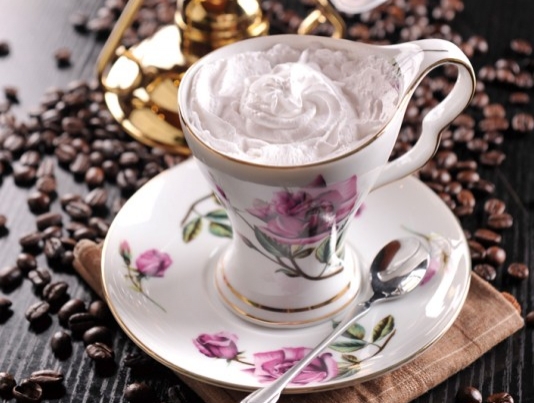
- Con Panna (Coffee with Cream): A single or double espresso topped with a dollop of whipped cream. Similar to the Irish coffee’s indulgence, but without alcohol.
- Affogato: Vanilla ice cream “drowned” with a shot of hot espresso. Though not always milk-based, it’s part of the flavored coffee family for its dessert-like appeal.
Romantic and Alcoholic Variations
Some fancy coffees lean into romance or evening indulgence with unique twists:
- Irish Coffee: A blend of hot coffee, Irish whiskey, sugar, and topped with lightly whipped cream. The drink is served in a warmed glass and designed to warm you up from the inside. The whiskey enhances the coffee’s natural bitterness and sweetness.
- Royal Flame Coffee (Royal Coffee with Flaming Brandy): Made by igniting brandy with a spoon over espresso, then adding sugar. The blue flame adds drama, especially in dimly lit settings. Not for the faint-hearted—or those without fire safety skills.
- Love Wine Floral Coffee (Flavored Coffee with Liqueur): A commercially available sweet variation made with coffee-flavored liqueur, typically low-alcohol but very sweet. Designed for those who prefer their coffee with a dessert-like finish.
- Yuan Yang Coffee (Chinese Milk Tea–Coffee Mix): A local innovation blending black tea and coffee, often with condensed milk or sweetened condensed milk. It represents a cultural fusion, balancing bitter coffee notes with the smoothness of milk tea.

How Latte Art Works: From Milk to Masterpiece
Creating latte art requires more than just pouring milk into espresso—it’s a technical skill that depends on properly steamed milk and controlled pouring. Here’s how it works:
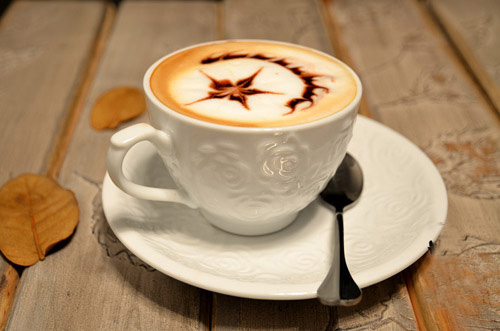
- Espresso Foundation: A well-extracted shot of espresso with a rich crema (about 25–30 seconds extraction, 9–10 bar pressure, 90–96°C water). The crema provides the dark contrast for the white milk designs.
- Milk Steaming: Steam milk to 60–65°C, creating microfoam—a velvety texture with tiny, uniform bubbles. The ideal milk texture has no large bubbles and a glossy surface.
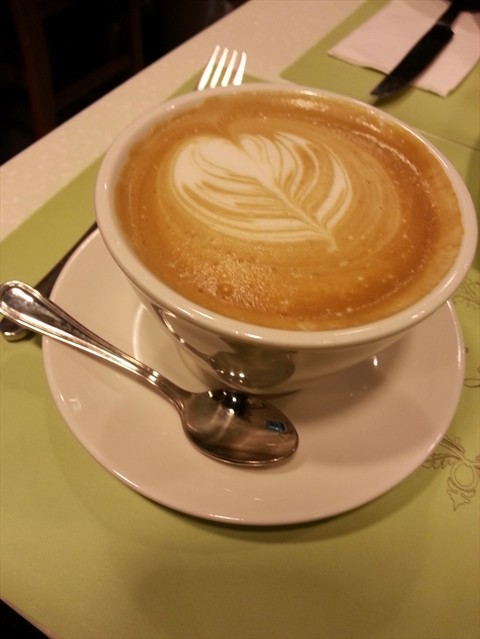
- Pouring Technique: Start pouring from a height, then lower the pitcher to create shapes. For a heart, pour in the center and wiggle the pitcher slightly before pulling through. For a leaf or tulip, use more advanced movements and timing.
- Tools Needed: Espresso machine with steam wand, tempered milk pitcher, and a steady hand. Practice is essential—most beginners start with basic shapes and work up to complex patterns.
Frequently Asked Questions
What is the ideal milk temperature for steaming latte art?
The optimal milk temperature for steaming when making latte art is between 60–65°C (140–149°F). Going above this can scald the milk, destroy texture, and reduce sweetness. Properly steamed milk has fine, stable microfoam perfect for creating sharp, defined designs like hearts or tulips.
Do you need special equipment to make latte art at home?
Yes, you’ll need an espresso machine with a steam wand to properly froth milk, plus a good quality milk pitcher and grinder to pull a consistent espresso shot. Without these, achieving the right milk texture and espresso crema for latte art is very difficult. A thermometer also helps control milk temperature accurately.
What’s the difference between a cappuccino and a latte?
A cappuccino has equal parts espresso, steamed milk, and foam (around a 1:1:1 ratio), making it lighter and foamier. A latte uses more milk (a 1:3 to 1:5 espresso-to-milk ratio) with just a thin foam layer, resulting in a creamier, larger drink. Both start with a single or double shot of espresso.
Can you make latte art with any kind of milk?
Whole milk is traditionally used for latte art because it has the right fat and protein content to create stable microfoam. However, baristas can also use oat, soy, or almond milk—with adjustments. Non-dairy milks often require more skill due to different frothing properties and sweetness levels.
Is Irish coffee alcoholic?
Yes, Irish coffee contains Irish whiskey, usually about 30–50ml per serving. It’s a warm, boozy coffee drink made with hot coffee, sugar, whiskey, and topped with whipped cream. It’s served as a dessert or evening drink, not a morning espresso.
Recommended FrontStreet Beans for Milk-Based Coffees
For lattes and cappuccinos, try FrontStreet Coffee’s Ethiopia Humbera – it offers bright citrus and floral tones that shine through milk. The Brazil Queen Manor brings chocolatey and nutty notes, perfect for balancing creamy drinks. For deeper profiles, the PWN Golden Mandheling has a heavy body with hints of spice and caramel. All three roast profiles suit milk-forward preparations. Freshly roasted within 5 days · Orders placed before 17:00 ship the same day · Next-day delivery across most of Guangdong Province.
FrontStreet Coffee is a long-established specialty coffee roaster in Guangzhou China, selling freshly roasted beans from its own farm in Yunnan as well as dozens of carefully selected single-origin beans from around the world for both pour-over and espresso. The products deliver consistently excellent quality and great value, with shipping within 24 hours. Guangzhou's FrontStreet Coffee shop is recommended by many coffee lovers, and the beans are now available online at the Tmall 。
Important Notice :
前街咖啡 FrontStreet Coffee has moved to new addredd:
FrontStreet Coffee Address: 315,Donghua East Road,GuangZhou
Tel:020 38364473