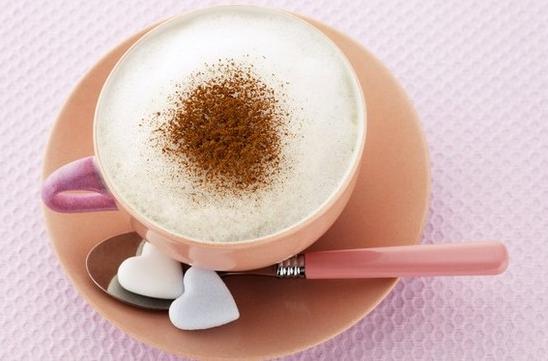
How to Steam Milk for Latte with an Espresso Machine
Making a great latte starts with one essential skill: steaming milk to the right texture and temperature. Whether you're pulling shots at home or behind the café counter, getting smooth, velvety microfoam—not big bubbles—is what separates average drinks from cafe-quality ones. But without the right technique, your milk can end up too hot, too cold, or full of large, unpleasant bubbles.
The key is to stretch and texture the milk between 60°C and 65°C (140°F–149°F), aiming for a smooth, creamy microfoam that integrates seamlessly with your espresso. This guide walks you through the full process, from purging the wand to creating the perfect whirlpool.
Why Your Steam Wand Might Be Failing You
Before you even start steaming, know this: your steam wand likely has condensed water sitting inside. If you plunge it straight into the milk without venting that water first, you’ll dilute your milk and ruin the texture. Always start by releasing a burst of steam into the air—this clears moisture and preps the wand for proper milk texturing.
Step-by-Step: How to Steam Milk Like a Pro
Here’s the full, step-by-step method used by baristas to get consistent, high-quality milk foam every time:
- Purge the wand: Before inserting the steam wand into the milk, release steam for a few seconds to expel any condensation. This prevents watery milk and ensures pure steam.
- Position the wand: Place a thermometer in your milk pitcher and insert the steam wand at an angle—just below the surface. Turn the steam on.
- Stretch the milk (stretching phase): Gradually lower the wand so the tip is just beneath the milk surface. You should hear a steady “paper tearing” or “hissing” sound. This pulls air into the milk to create microfoam. The milk should begin to swirl in a circular motion. If it’s too high, you'll get big bubbles; too low, and you won’t get enough air.
- Texture the milk (rolling phase): Once the milk has expanded slightly and the foam is smooth (not large and bubbly), sink the wand deeper so it’s fully submerged. Angle the pitcher so the milk spins in a whirlpool. This evens out the texture and heats the milk evenly.
- Heat to target temperature: Continue steaming until the milk reaches 60°C–65°C (140°F–149°F). Use your hand on the pitcher to gauge when it becomes too hot to touch comfortably—that’s your cue to turn off the steam.
- Clean the wand: Wipe the wand immediately with a damp cloth, then briefly open the steam valve again to purge any remaining milk. This prevents blockages and keeps your wand hygienic.
Equipment, Milk Choice, and Common Mistakes
Your tools and ingredients matter just as much as your technique. Here’s what to use—and what to avoid:
- Espresso machine: All espresso machines come with a steam wand, though some include foam-enhancing tips or sleeves. These usually hinder rather than help fine-textured microfoam—remove them if possible.
- Milk jug: Use a stainless steel pitcher with a spout. Stainless transfers heat predictably so you can feel the milk warming, and the spout helps with pouring latte art.
- Milk: For latte, use whole milk with around 3% fat. Less fat leads to firmer, stiffer foam. Skim milk creates overly rigid foam that doesn’t blend well with espresso. Aim for smooth, silky foam—not stiff peaks.
What Went Wrong? Diagnosing Bad Foam
If your milk foam isn't quite right, here’s how to identify—and fix—common problems:
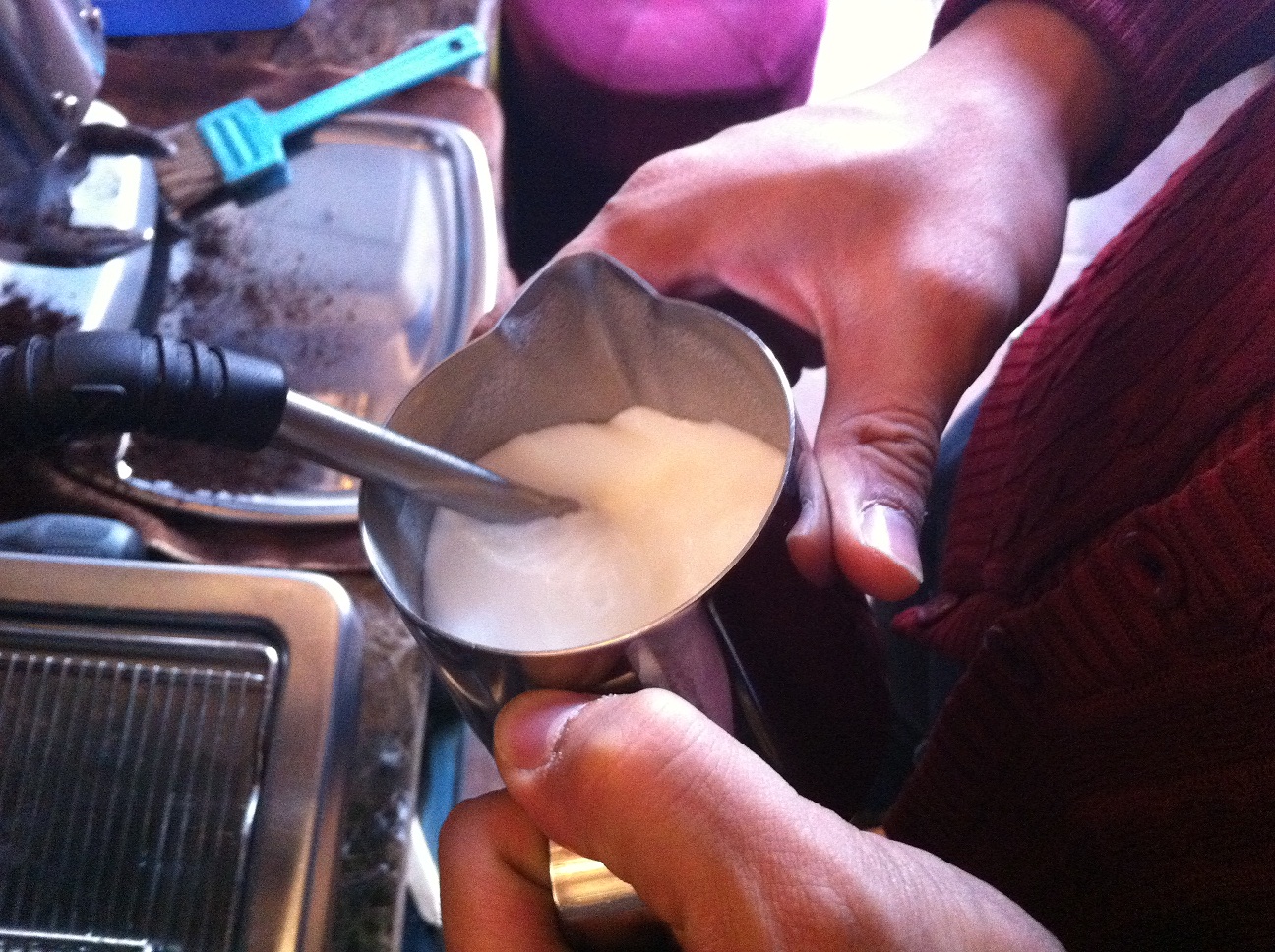
- Big, bubbly foam: Often caused by the wand tip being too high, letting in too much air and creating large bubbles. The result is a separated drink with poor texture.
- Too stiff or dry foam: Over-steaming creates a separated layer of thick foam that sits on top of thin, lukewarm milk. It won’t mix with espresso and often requires scooping.
- Ideal microfoam: When done correctly, the foam is smooth and creamy, pouring like soft yogurt. It blends beautifully with espresso, enhancing crema and creating the classic caramel-coloured latte edge.
Re-steaming previously steamed milk often results in stiff foam. To avoid this, always texture your milk fresh and in the right quantity—start with at least two cappuccinos’ worth while learning.
How Steam Actually Works in the Machine
Understanding your steam wand’s behaviour helps control the process better:
- Always purge the wand after the machine heats up and before use to remove built-up moisture.
- Insert the wand just under the milk’s surface to draw in air—this creates the foam.
- Once enough air is introduced, submerge the wand deeper and create a whirlpool to evenly distribute heat.
- Stop steaming when the milk is between 55°C–65°C (131°F–149°F)—your sweet spot for texture and taste.
Pouring and Finishing Your Milk
Even well-steamed milk can be ruined by poor pouring. Here’s how to finish strong:
- Tap the pitcher gently on the counter to pop large bubbles.
- Swirl the milk to check consistency—if it looks too thick to pour smoothly, let it rest briefly to allow air to rise.
- Pour with a steady hand, integrating the foam and espresso for a smooth, glossy drink.
Frequently Asked Questions
What’s the best temperature for steaming milk for a latte?
The ideal temperature range is 60°C to 65°C (140°F–149°F). At this range, the milk develops optimal sweetness and blends well with espresso. Use your hand to judge when the pitcher is too hot to hold comfortably—that’s usually the right moment to stop steaming.

Do I need a special steam wand or machine to make good milk foam?
No special machine is required, but all espresso machines come with a steam wand. Avoid using foam-enhancing tips or sleeves, as they often create large bubbles instead of smooth microfoam. A standard steam wand, used properly, is enough for great results.
Why does my milk have big bubbles?
Big bubbles happen when the steam wand tip is too high, allowing too much air into the milk early on. Lower the wand so it’s just breaking the surface, and aim for a hissing sound that draws in air smoothly. Too much air creates dry, separated foam.
Should I remove the foam tip on my steam wand?
Yes, if your steam wand has an attachable foam-enhancing tip or sleeve, it’s often better to remove it. These accessories can hinder your ability to control air intake and create smooth microfoam. Most professional baristas steam with the bare wand for better results.
How do I know when the milk is hot enough?
Use a thermometer for accuracy, or rely on the pitcher’s heat. When the pitcher becomes too hot to touch comfortably (around 60°C–65°C or 140°F–149°F), it’s time to stop steaming. Overheating ruins texture and taste.
Can I re-use milk that’s already been steamed?
It’s not recommended. Re-steaming milk often leads to stiff, separated foam that doesn’t integrate well with espresso. For best results, always texture fresh milk for each drink.
Recommended FrontStreet Coffee Blends for Lattes
For latte lovers, FrontStreet Coffee’s Classic Blend delivers the rich, full-bodied profile and excellent crema needed to complement smooth microfoam. Made with a traditional Brazilian and Colombian base, it offers a balanced, approachable cup with velvety mouthfeel—perfect for blending into lattes. If you prefer a deeper chocolate note, the Black Cocoa Blend brings a bold, sweet richness that pairs beautifully with steamed milk. Both blends are designed to produce stable crema and smooth extraction, ideal for milk-based drinks. Freshly roasted within 5 days · Orders placed before 17:00 ship the same day · Next-day delivery across most of Guangdong Province.
FrontStreet Coffee is a long-established specialty coffee roaster in Guangzhou China, selling freshly roasted beans from its own farm in Yunnan as well as dozens of carefully selected single-origin beans from around the world for both pour-over and espresso. The products deliver consistently excellent quality and great value, with shipping within 24 hours. Guangzhou's FrontStreet Coffee shop is recommended by many coffee lovers, and the beans are now available online at the Tmall 。
Important Notice :
前街咖啡 FrontStreet Coffee has moved to new addredd:
FrontStreet Coffee Address: 315,Donghua East Road,GuangZhou
Tel:020 38364473