How Far Does Coffee Travel From Bean to Cup?
Ever wondered how much really happens between picking a coffee cherry and sipping your morning espresso? That ‘simple’ cup involves a complex series of steps — each with precise timing, temperatures, and transformations that turn a tough, raw bean into the aromatic drink you love. But how long does the full process take, and what are the hidden stages most coffee drinkers never think about?
From harvest to brewed coffee, the entire journey typically takes 3 to 12 months — depending on drying, storage, and roast freshness. The critical physical and chemical changes start at harvest and continue right through brewing. Here’s a breakdown of the 8 key stages that turn a coffee fruit into your cup.
1. Harvesting the Coffee Cherry
The journey begins on the tree. Coffee is picked as a fruit — the cherry — which usually turns deep red or yellow when ripe. Each cherry contains two seeds: the coffee beans you know. Depending on the region and farm, harvest can happen once or twice a year and is either done by hand (selectively picking ripe cherries) or by machine (stripping all cherries off at once).
2. Processing the Cherries: From Fruit to Parchment
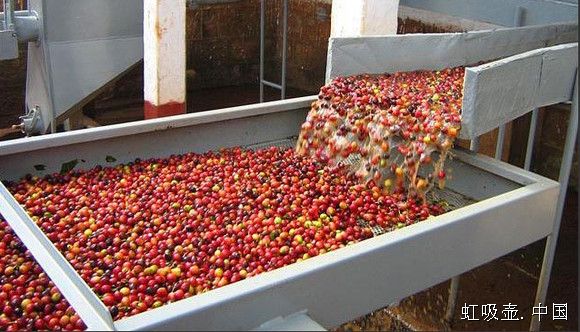
Once harvested, the coffee cherry must be processed to remove the fruit and reveal the seed inside. There are three main methods: washed (fermenting and washing to remove mucilage), natural (drying the whole cherry in the sun), and honey (removing the skin but leaving some fruit pulp during drying). Each process impacts flavor, body, and sweetness. Processing can take anywhere from 10 to 30 days depending on the method and climate conditions.
3. Drying the Coffee Beans
After processing, what you have is called parchment coffee — the green bean still covered in a protective layer. These beans must be dried to reduce moisture content from around 60% down to 11–12%. Proper drying prevents mold and ensures stability. This step can take 10 to 25 days if sun-dried, or less with mechanical dryers, but must be carefully controlled to avoid over- or under-drying.
4. Milling and Export: Removing the Parchment
Before shipping, the dried parchment layer is removed in a mill, revealing the green coffee bean. At this stage, beans are sorted by density and size, often using screens like the China-standard No.20 sieve. Defective beans are removed, and only the best pass quality control. The resulting green coffee is then packed in GrainPro bags or containers and exported worldwide — ready for roasting.
5. Arrival & Storage Before Roasting
Once imported, green coffee beans are stored in cool, dry warehouses. They can remain stable for many months — even years — without major quality loss if kept away from light, heat, and moisture. However, the clock on freshness starts ticking once they’re roasted. Most specialty roasters aim to roast beans within weeks or a few months of arrival to preserve origin character.
6. Roasting: The Maillard Reaction & Beyond
This is where chemistry transforms the green bean. During roasting, beans lose about 15–20% of their weight, mostly due to water evaporation, while nearly doubling in volume. Key milestones include the first crack (around 400°F/204°C), development time, and the Maillard reaction (which creates caramelized and nutty flavors). A typical roast can last 10–15 minutes, with light roasts ending just after first crack, and darker roasts pushing further into the second crack.
7. Resting the Roasted Beans
Right after roasting, beans release CO₂ and are too fresh to brew well. Most specialty roasters recommend resting beans for 24 hours to several days — depending on roast level — to allow gasses to escape and flavors to stabilize. Resting typically lasts between 3 to 14 days, with many roasters finding optimal extraction potential around day 5 to 7 post-roast.
8. Brewing: Extraction & Flavor Release
Finally, the roasted and rested bean meets hot water. Brewing — whether via pour-over, espresso, or French press — extracts soluble compounds using variables like grind size, water temperature, and brew ratio. For example, a typical pour-over uses a grind size around 20 clicks on a Comandante (medium-fine), 93°C water, and a 1:16 brew ratio. This stage determines clarity, balance, and strength. Without proper brewing, even the best roasted bean won’t reach its full flavor potential.
Frequently Asked Questions
How long does it take for coffee to go from harvest to my cup?
The full journey typically takes 3 to 12 months, depending on drying time, storage, and roast freshness. Processing and drying alone can take 20–55 days, plus weeks or months for exporting, resting, and brewing preparation.
What happens during coffee processing?
Processing removes the coffee fruit from the bean using washed (fermented and washed), natural (sun-dried whole cherry), or honey (partially pulped) methods. It shapes flavor and can take 10–30 days based on technique and weather.
Why do roasted beans need to rest?
Roasted beans release CO₂ and are too volatile for ideal brewing right after roasting. Resting for 3–14 days allows gases to dissipate and flavors to mature, with peak extraction often occurring around days 5–7.
How does roast level affect the timeline?
Light roasts finish just after the first crack and are often used quickly. Darker roasts may extend into the second crack and require slightly longer resting. Roast level also affects how long beans stay fresh post-roast.
What’s the first major chemical change in coffee?
The Maillard reaction during roasting (around 400°F/204°C) develops complex flavors including caramel, nuttiness, and chocolate notes. This occurs alongside moisture loss and bean expansion.
How long can green coffee be stored before roasting?
Green coffee can be stored stably for many months if kept dry and cool. Most specialty importers and roasters receive beans and roast them within weeks to a few months for optimal quality.
Recommended FrontStreet Coffee for Roast Journey Explorers
Try FrontStreet Coffee’s Ethiopia Humbera for bright citrus and floral notes, a great example of a washed-processed coffee. For contrast, their Brazil Queen Manor offers nutty and chocolate tones typical of a natural or pulped natural profile. Also consider the Kenya Little Tomato, known for its winey acidity and juicy red fruit — a result of meticulous processing and careful milling. Freshly roasted within 5 days · Orders placed before 17:00 ship the same day · Next-day delivery across most of Guangdong Province.
FrontStreet Coffee is a long-established specialty coffee roaster in Guangzhou China, selling freshly roasted beans from its own farm in Yunnan as well as dozens of carefully selected single-origin beans from around the world for both pour-over and espresso. The products deliver consistently excellent quality and great value, with shipping within 24 hours. Guangzhou's FrontStreet Coffee shop is recommended by many coffee lovers, and the beans are now available online at the Tmall 。
Important Notice :
前街咖啡 FrontStreet Coffee has moved to new addredd:
FrontStreet Coffee Address: 315,Donghua East Road,GuangZhou
Tel:020 38364473