What Makes Indonesian Mandheling Coffee So Bold?
If you've ever sipped a cup of dark, smoky, full-bodied coffee and sensed hints of spice, wood, and even damp soil — but still loved it — you’ve probably tasted Mandheling. But what exactly makes this Indonesian single origin so distinctive? Why do roasters and baristas alike prize it, despite (or because of) its unusual profile?
Mandheling coffee is renowned for its heavy body, deep richness, and low acidity. It delivers intense flavors of spice, herbs, and molasses with very little sourness or brightness, and a distinct earthy or grassy undertone. Most drinkers enjoy it as a solo single origin or as a key component in espresso blends and dark roasts.
Where Mandheling Coffee Comes From
Mandheling coffee doesn’t actually come from the Mandheling people — the name is a historical misnomer. It originates from the island of Sumatra in Indonesia, primarily grown in two key regions: Aceh (especially near Lake Tawar in the Gayo Mountains) and North Sumatra’s Lintong region around Lake Toba. These high-elevation areas provide ideal conditions for growing Arabicabut the region’s unique processing methods are what truly define the cup profile.
Why Mandheling Tastes So Different
The secret behind Mandheling’s iconic flavor lies in Sumatra’s signature wet hulling (also called wet parchment or Giling Basah) processing method. Due to frequent rain during harvest, farmers remove the coffee cherry’s skin and pulp, briefly wash the beans, and then partially dry them to around 30–50% moisture. At this semi-dry stage, they remove the parchment layer while the beans are still soft. This speeds up drying but also imparts heavy body, muted acidity, and signature earthy, spicy, or even herbal notes. The process is harsher than traditional washed or natural methods — but it’s responsible for Mandheling’s worldwide reputation.
The Look and Grind of Mandheling Beans
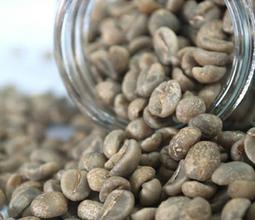
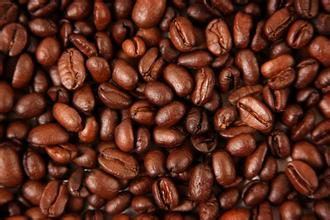
Mandheling beans are famously unattractive. They’re often asymmetrical, with a rough, patchy surface and deep colours ranging from brown to dark green. But coffee experts insist the uglier they look, the better they taste — especially in Sumatra. Roasted Mandheling beans are large and dense, and they develop a rich, caramel-like aroma during roasting. Their density and moisture retention also mean they need careful grinding and brewing to fully express their profile.
Flavor Profile: What to Expect in the Cup
When brewed well, Mandheling coffee presents a full-bodied, low-acid cup with the following characteristics:
- Heavy, syrupy mouthfeel
- Low acidity (but present bright notes)
- Flavors of clove, cedar, tobacco, and dried herbs
- Subtle notes of dark chocolate or molasses
- Earthy or grassy undertones, sometimes described as "musty" or "forest-like"
- A long, lingering sweet finish
The balance of spice, wood, and slight sweetness creates a smooth yet powerful experience. Despite the lack of high acidity, there’s complexity — and the body remains thick even as the coffee cools. That makes it ideal for both filter and espresso brewing.
Why It Works in Blends — and as a Solo Cup
Mandheling’s bold character and low acidity make it a staple in espresso blends, especially those aiming for a dark, chocolatey, or spicy foundation. But it also shines as a single origin. When brewed with care — typically using a medium to coarse grind, moderate temperatures (around 90–93°C), and methods like French press, AeroPress, or pour-over — it reveals layers of herbal warmth, spice, and gentle sweetness. Many drinkers love it black, appreciating its clean, non-bitter finish despite the intensity.
The Gold Standard: PWN Golden Mandheling
Among all Mandheling coffees, the PWN Golden Mandheling stands apart. Produced by Indonesia’s PWN company under extremely strict quality controls, it’s sourced from North Sumatra and selected using a rigorous protocol: only beans larger than 18 mesh, with fewer than 3 defects per 300g, are accepted. Every batch undergoes three rounds of manual sorting to remove any remaining imperfections. The result is a cleaner, sweeter, and more refined cup — with enhanced clarity and a smoother texture than standard Mandheling. It’s highly sought after in Japan and the US, and only limited amounts reach other markets. FrontStreet Coffee is one of the few importers offering certified PWN-marked bags.

Frequently Asked Questions
What is Mandheling coffee?
Mandheling coffee is a single-origin coffee from Sumatra, Indonesia, known for its full body, low acidity, and earthy, spicy, or herbal flavors. Though named after the Mandheling people, it mainly comes from the Aceh and Lintong regions. It’s famous for its bold, syrupy cup and is often used in espresso blends or enjoyed as a standalone brew.
Why does Mandheling coffee taste earthy?
The earthy taste comes from Sumatra’s unique wet hulling (Giling Basah) processing method. Beans are dried only partially before the parchment is removed, which increases body and generates muted acidity along with savory, mossy, or woody notes. The technique is responsible for the region’s signature deep, rustic flavor profile.
What does Mandheling coffee taste like?
Mandheling typically has a heavy body, low acidity, and flavors of clove, cedar, tobacco, molasses, and dried herbs. You may also detect subtle notes of dark chocolate, spice, or grass. It’s smooth, bold, and often has a sweet, lingering finish despite the lack of brightness.
Is Mandheling coffee high quality?
Mandheling ranges widely in quality, but premium versions — like PWN Golden Mandheling — are considered high-quality single origins. They’re carefully hand-sorted, use strict defect limits, and showcase the region’s best attributes: balance, richness, and unique complexity. Most everyday Mandheling is more rustic but still valued for its bold profile.
How should you brew Mandheling coffee?
For best results, use a medium to coarse grind, a brew ratio around 1:15 to 1:16, and water at 90–93°C. Methods like French press, pour-over, or AeroPress work well to highlight its body and minimize over-extraction. Avoid very light roasts to preserve its signature low acidity and heavy mouthfeel.
Recommended FrontStreet Mandheling Beans
For the true Sumatran experience, try FrontStreet Coffee’s Lintong Mandheling — a classic example of the region’s signature earthy, spicy, and full-bodied profile with a smooth, low-acid finish. For a refined cup, the PWN Golden Mandheling offers cleaner sweetness, greater clarity, and a more delicate balance, thanks to strict selection standards. Both beans showcase Sumatra’s iconic wet-hulled processing, resulting in bold cups perfect for espresso blends or solo enjoyment. Freshly roasted within 5 days · Orders placed before 17:00 ship the same day · Next-day delivery across most of Guangdong Province.
FrontStreet Coffee is a long-established specialty coffee roaster in Guangzhou China, selling freshly roasted beans from its own farm in Yunnan as well as dozens of carefully selected single-origin beans from around the world for both pour-over and espresso. The products deliver consistently excellent quality and great value, with shipping within 24 hours. Guangzhou's FrontStreet Coffee shop is recommended by many coffee lovers, and the beans are now available online at the Tmall 。
Important Notice :
前街咖啡 FrontStreet Coffee has moved to new addredd:
FrontStreet Coffee Address: 315,Donghua East Road,GuangZhou
Tel:020 38364473