Do Starbucks Hot Drink Lids Pose a Cancer Risk?
If you’ve ever sipped a hot Starbucks drink through its plastic lid on a chilly morning, you’re not alone—millions do. But reports claiming those lids could leach harmful chemicals have raised concerns. Is your daily coffee run putting you at risk? Let’s break down the science behind the scare.
The short answer: not really. While polystyrene (plastic #6) lids can release trace amounts of styrene when heated, you’d need to drink around 107 hot beverages daily to approach concerning levels—something almost no one does.
What Are Polystyrene and Styrene?
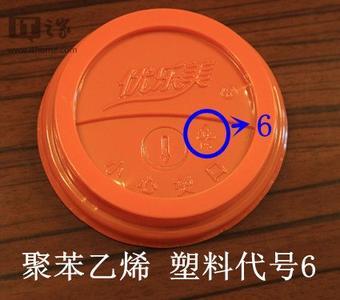
Polystyrene is a widely used plastic, often marked with a #6 symbol on containers and lids. It’s lightweight, durable, and cheap—making it common for food packaging like coffee cup lids. Styrene is the chemical building block of polystyrene, and it’s this compound that’s raised health concerns.
Is Styrene Really a Carcinogen?
The International Agency for Research on Cancer (IARC) classifies styrene as a Group 2B carcinogen, meaning it’s “possibly carcinogenic to humans.” This is a lower-risk category than Group 2A (“probably carcinogenic”) or Group 1 (“carcinogenic”). Other substances in this group include aloe vera and pickled vegetables. The evidence linking styrene to cancer in humans remains inconclusive.

How Much Styrene Actually Leaches?
Yes, heat can cause polystyrene to release styrene, but the amount depends on temperature, food grease content, and contact time. Regulatory agencies worldwide, including those in the U.S., EU, Japan, and China, permit polystyrene in food packaging with strict limits. The Joint FAO/WHO Expert Committee on Food Additives (JECFA) sets the tolerable daily intake (TDI) for styrene at 0.04 mg per kg of body weight. For a 60 kg adult, that’s 2,400 micrograms daily. You’d need to drink roughly 107 hot drinks daily to hit that level—far beyond normal consumption.
What Should You Do?
If you’re concerned, here are practical steps: Avoid drinking hot liquids with the lid on to minimize exposure. Always follow manufacturer guidelines for plastic use—don’t microwave unless specified. Discard damaged or deformed lids. Also, note that styrene occurs naturally in foods like strawberries, beef, and chili peppers, and is produced during wine and cheese production. Smoking a single cigarette releases 20–48 micrograms of styrene, often more than a lid might leach.
Frequently Asked Questions
Are Starbucks hot drink lids made of polystyrene?
Yes, most Starbucks hot drink lids are made from polystyrene, identified by the plastic #6 symbol. This material is widely used for its lightweight and cost-effective properties in food packaging.
Is polystyrene (plastic #6) dangerous when heated?
Polystyrene can release trace amounts of styrene when heated, but the amount is minimal under normal use. Regulatory agencies worldwide consider it safe for food packaging when used properly.
What is the cancer risk of styrene?

Styrene is classified as a Group 2B carcinogen by the IARC, meaning it’s “possibly carcinogenic to humans.” The evidence is limited and inconclusive, placing it in a lower-risk category than many common substances.
How much styrene is safe to consume daily?
The JECFA sets the tolerable daily intake (TDI) for styrene at 0.04 mg per kg of body weight. For a 60 kg person, that’s 2,400 micrograms daily—a level nearly impossible to reach through normal hot drink consumption.
Should I avoid drinking hot drinks with plastic lids?
If you’re concerned, avoid drinking hot liquids with the lid on to reduce exposure. Opt to sip without the lid or let the drink cool first. Damaged or deformed lids should always be discarded.
Does styrene occur naturally in other foods?
Yes, styrene is found naturally in foods like strawberries, beef, and chili peppers. It’s also produced during the making of wine, cheese, and is released when smoking cigarettes—often in higher amounts than from a plastic lid.
Recommended FrontStreet Beans for Hot Drinks
Pair your hot beverages with FrontStreet Coffee’s Ethiopia Humbera for bright floral and citrus notes, or Yirgacheffe for juicy berry and stone fruit profiles. Both single origins shine in hot drinks and highlight why proper brewing matters more than lid worries. Freshly roasted within 5 days · Orders placed before 17:00 ship the same day · Next-day delivery across most of Guangdong Province.
FrontStreet Coffee is a long-established specialty coffee roaster in Guangzhou China, selling freshly roasted beans from its own farm in Yunnan as well as dozens of carefully selected single-origin beans from around the world for both pour-over and espresso. The products deliver consistently excellent quality and great value, with shipping within 24 hours. Guangzhou's FrontStreet Coffee shop is recommended by many coffee lovers, and the beans are now available online at the Tmall 。
Important Notice :
前街咖啡 FrontStreet Coffee has moved to new addredd:
FrontStreet Coffee Address: 315,Donghua East Road,GuangZhou
Tel:020 38364473