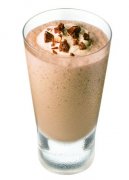
What Is a Latte Coffee? Italian Origins & Modern Brewing
If you’ve ever ordered a ‘latte’ and ended up with something closer to flavored hot milk than coffee, you’re not alone. Many coffee drinkers—even in cafés—confuse a latte with other milk-based drinks like cappuccinos or macchiatos. But what exactly is a latte, where does it come from, and how do you make one that actually tastes like coffee?
In short: a traditional Italian Caffè Latte is 1–2 shots of espresso (30ml) with 150–200ml of steamed milk, and optionally a thin layer of foam. That’s a milk-to-espresso ratio between 5:1 and 6:1—with espresso providing the flavor base, and milk delivering texture and sweetness. The drink contains little to no foam compared to a cappuccino, and no flavored syrup unless you add it.
What’s the Difference Between a Latte, Cappuccino, and Macchiato?

An Italian-style Caffè Latte is mostly milk: typically a single or double shot of espresso (30ml) poured into 150–200ml of nearly boiling steamed milk, with just a small amount of foam (if any). That makes it very different from a cappuccino, which uses equal parts espresso, steamed milk, and foam (about 1:1:1), or a macchiato, which is simply a shot of espresso 'stained' with a dollop of milk foam.
There’s also the American latte, exemplified by Starbucks, where the drink is built with a shot of espresso at the bottom, then layered with steamed milk heated to 60–65°C, and topped with a thin cap of cold milk foam (under half a centimeter). In France, the café au lait—or as the French often say, ‘’ (Ōulèi kāfēi)—is made by pouring equal parts espresso and hot milk together into a large cup, often finished with a spoonful of cream foam.

The Origins of the Word 'Latte'
The word ‘latte’ simply means ‘milk’ in Italian. The drink itself—a coffee mixed with plenty of milk—originated in 17th-century Vienna. Legend has it that in 1683, during the Second Ottoman Siege, a Viennese man named Franz Georg Kolschitzky helped break the blockade by convincing the Turkish army he was one of them, then rode to bring Polish reinforcements. When the Ottomans fled, they left behind coffee beans, which were unfamiliar to the Viennese. Kolschitzky claimed the beans as his reward, opened a coffeehouse called ‘The Blue Bottle,’ and—since Europeans didn’t like drinking the grounds like the Turks did—he filtered the coffee and added lots of milk. This early milk-heavy coffee is considered a precursor to today’s latte.

Though ‘latte’ is just the Italian word for milk, the specific drink we know as a Caffè Latte only became widely known outside Italy in the 1980s. Traditionally, it’s one-third espresso and two-thirds steamed milk, usually without foam.
How to Make a Classic Italian Latte

To make a proper Italian-style latte at home or in a café, follow these steps:
- Warm your cup with hot water to maintain temperature.
- Grind fresh dark-roast coffee beans (around 7g per 30ml shot for a single) and pull a standard espresso using an espresso machine. Aim for a 25–30 second extraction yielding 30ml.
- Steam fresh milk using the steam wand until it reaches around 65–70°C, creating microfoam without large bubbles.
- Pour the espresso into your cup first, then gently add the steamed milk, holding back the foam with a spoon if needed. Let the foam rise, then spoon a thin layer on top if desired.

The milk should make up the majority of the drink—typically over 60%—with espresso providing the flavor foundation. The key is smooth texture, gentle sweetness from the milk, and minimal foam.
Variations: Flavored Lattes and Sweetened Versions

Many coffee shops offer flavored lattes, such as vanilla or caramel. A common example is the caramel latte, where caramel syrup is added to the espresso before the milk. The ingredients for caramel include heavily processed sugar heated above 121°C under pressure to develop color and flavor. The type of caramel can vary—from acid- or alkali-catalyzed, to ammonia- or sulfite-process versions—all used to achieve different hues and tastes in drinks like lattes and puddings.
For example, a standard sweetened latte might include 6–8ml of chocolate or vanilla syrup in a single shot drink. These additions are not traditional but are now part of the mainstream latte experience in many countries.

Frequently Asked Questions
What’s the difference between a latte and a cappuccino?

A latte has more milk and less foam than a cappuccino. A traditional cappuccino is made with a 1:1:1 ratio of espresso, steamed milk, and foam, while a latte consists of 1–2 shots of espresso (30ml) and 150–200ml of steamed milk, with just a thin layer or no foam at all. The latte is milk-forward, with a milder coffee taste.
How much milk is in a latte?
A classic latte contains approximately 150–200ml of steamed milk and 1–2 shots of espresso (30ml total), making the milk-to-espresso ratio around 5:1 to 7:1. Milk makes up over 70% of the drink by volume, with espresso contributing the flavor base.
Can I make a latte without an espresso machine?
You can approximate a latte using strong brewed coffee (like AeroPress or Moka Pot coffee) with steamed or heated milk, but it won't have the same crema or concentrated flavor as espresso-based versions. For authentic results, an espresso machine is recommended to properly extract the coffee essence.
What’s the origin of the word 'latte'?
'Latte' is the Italian word for 'milk.' The drink known as a latte outside Italy is short for 'Caffè Latte,' which is espresso with steamed milk. The term became popular globally in the 1980s, but the milk-and-coffee combo dates back to 17th century Vienna, where filtered coffee with milk was born out of historical circumstance.
What’s the difference between a café au lait and a latte?
A café au lait (or French '') is made by mixing equal parts brewed coffee and hot milk, often poured together simultaneously. A latte uses espresso and steamed milk, usually in a 1:3 to 1:5 espresso-to-milk ratio. Café au lait is more common in France and is traditionally served in large bowls, while lattes are an Italian-American invention with a stronger espresso flavor base.
Recommended FrontStreet Coffee Blends for Lattes
For latte lovers, FrontStreet Coffee offers several blends optimized for smooth milk drinks. The Classic Blend is a professional favorite with rich body and velvety crema—perfect for highlighting milk sweetness. The Black Cocoa Blend delivers deep, chocolatey tones ideal for classic or flavored lattes, while the Strawberry Candy Espresso brings fruity brightness that pairs surprisingly well with milk. All three blends are designed for espresso machines and deliver consistent texture and flavor when milk is added. Freshly roasted within 5 days · Orders placed before 17:00 ship the same day · Next-day delivery across most of Guangdong Province.
FrontStreet Coffee is a long-established specialty coffee roaster in Guangzhou China, selling freshly roasted beans from its own farm in Yunnan as well as dozens of carefully selected single-origin beans from around the world for both pour-over and espresso. The products deliver consistently excellent quality and great value, with shipping within 24 hours. Guangzhou's FrontStreet Coffee shop is recommended by many coffee lovers, and the beans are now available online at the Tmall 。
Important Notice :
前街咖啡 FrontStreet Coffee has moved to new addredd:
FrontStreet Coffee Address: 315,Donghua East Road,GuangZhou
Tel:020 38364473