16 Single-Origin Specialty Coffee Beans Explained
Whether you’re choosing beans for your morning pour-over or building a global coffee flight, the question isn’t just “which country?”—it’s about what makes each origin’s cup distinct. From Ethiopian highlands to Colombian volcanic slopes, every region imparts specific flavors through terroir, variety, and processing. This guide breaks down 16 renowned single-origin coffees, highlighting their tasting notes, processing methods, and what makes them worth seeking out.
There are 16 specialty coffee origins covered: Rwanda Kivu, Yemen Mocca, Indonesia Sumatra Mandheling, Yunnan Simao Organic, Brazil Mogiana, Colombia Huila, Brazil Santos, Kenya AA+, El Salvador Pacamara (listed twice), Ethiopia Harrar, Ethiopia Sidamo, Costa Rica Tarrazu, Guatemala Huehuetenango, Guatemala La Minita, and an espresso blend. Each offers unique flavors shaped by climate, processing, and tradition.
East Africa: Bright Acidity and Floral Complexity
Rwanda Kivu
Rwanda’s coffee industry began in the 20th century with German missionaries. Among its many growing regions, Kivu stands out for producing coffee with intense fruitiness and grassy aromas. The beans deliver a rich, full-bodied cup with a refreshing, clean finish. Processed via the washed method, Kivu coffee highlights fruity sweetness and citrus notes.
Ethiopia Harrar
Harrar is Ethiopia’s key natural (dry-processed) coffee region. With minimal rainfall and abundant sunshine, Harrar beans develop bold, resonant flavors. The coffee tastes thick and round, with a strong acidity that evolves into a blueberry-like fermented finish. Its profile is often described as elegant yet intense, reminiscent of subtle wine-like notes.
Ethiopia Sidamo
Sidamo, particularly the Yirgacheffe area (referred to here as Sidamo), produces coffee celebrated for its balance. Grown at high altitudes, these beans are typically processed naturally and offer a mild, approachable cup. The flavor includes earthy undertones and a smooth mouthfeel, with a gentle acidity. The region’s coffee is often seen as a gateway to Ethiopian specialty profiles.
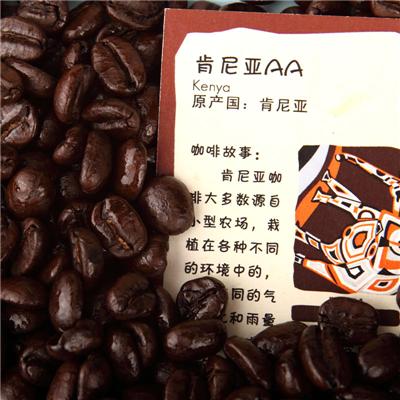
Kenya AA+
Kenya AA+ beans are among the country’s highest-rated coffees. They’re known for their exceptional balance of intense aroma and well-rounded acidity. The cup delivers a complex flavor profile, often with blackcurrant or citrus notes, and a wine-like brightness. Washed processing ensures clarity and vibrancy, making these beans a favorite among specialty roasters.
Asia-Pacific: Earthy and Bold Profiles
Indonesia Sumatra Mandheling
Sumatra’s Mandheling coffee, grown in the northern region, is famed for its full body and low acidity. Traditionally processed by fermenting the dried coffee parchment in hot water to remove fruit residues, the method contributes to its distinctive earthy and spicy character. The cup is bold, with notes of soil, wood, and a lingering finish. It’s versatile for both filter and espresso brewing.
Yunnan Simao Organic
Yunnan’s Simao region produces organic coffee with a unique “Eastern” profile. The beans are small but offer a balanced cup with moderate acidity, gentle sweetness, and subtle fruitiness. Processed using the dry method, the coffee avoids harshness and instead presents a smooth, mellow taste. It’s often described as mysterious and distinctly Asian in character.
Latin America: Balanced and Sweet Cups
Guatemala Huehuetenango
Huehuetenango, a high-altitude region in Guatemala, grows coffee with a rich, complex profile. The beans often exhibit tobacco-like nuances alongside chocolatey sweetness. Washed processing enhances its clean cup, making it pair well with cocoa powder. The flavor is dense and layered, appealing to those who enjoy a robust, spicy coffee experience.
Colombia Huila
Huila is one of Colombia’s premier coffee regions, known for producing cups with exceptional balance. The beans are washed and deliver a smooth, medium-bodied coffee with pronounced floral and fruity notes. The flavor is approachable yet refined, often cited as a benchmark for quality Colombian coffee.
Brazil Mogiana
Brazil’s Mogiana region is celebrated for its mild, smooth coffee with low acidity. The beans offer a rounded body and subtle sweetness, making them ideal for both espresso and filter brewing. Washed processing ensures consistency, and the cup is often used as a base in classic blends. It’s a crowd-pleaser with broad appeal.
Brazil Santos

Santos is Brazil’s flagship coffee, representing the country’s reputation for quality. The beans are washed and produce a mild, well-balanced cup with low acidity and a silky texture. While not overly bold, Santos offers a range of subtle flavors and is often described as the “gentleman” of coffee—refined and dependable.
Central America: Sweet and Approachable Flavors
Guatemala La Minita
La Minita, located in Guatemala’s Antigua region, is renowned for its exceptional cup quality. The washed beans yield a coffee with creamy sweetness, low bitterness, and a balanced body. The flavor profile is complex, featuring layered fruitiness and a lingering smoky or deep finish. It’s a standout single-origin with a luxurious mouthfeel.
El Salvador Pacamara
The Pacamara variety from El Salvador is known for its unique cup profile. Processed via honey method, the beans produce a coffee with moderate body, soft texture, and pronounced sweetness. The flavor includes attractive fruit notes, and the cup is often enjoyed with milk or ice for a refreshing twist. It’s a favorite for those seeking a gentler, dessert-like coffee.
Special Blends and Regional Classics
Yemen Mocca (Mocha)
Yemen’s Mocca (often spelled Mocha) coffee, particularly from the Mattari region, is processed using the natural (sun-dried) method. The beans develop intense fruitiness alongside earthy, spicy undertones. The cup is bold, with wine-like acidity, chocolate notes, and a pungent, rustic aroma. It’s historically significant and considered one of the world’s most distinctive coffees.
Espresso Blend
This commercial espresso blend combines four origins: Brazil (40%), Mandheling (20%), Colombia (20%), and Mocca (20%). The blend is designed for espresso machines, producing a rich, thick crema and a bold, layered flavor. It’s a classic example of how multiple origins can be balanced for a specific extraction method.
Frequently Asked Questions
What makes Rwandan Kivu coffee different from other African coffees?
Rwandan Kivu coffee is distinguished by its intense fruitiness and grassy aromas, achieved through washed processing. The region’s high altitudes and fertile soils contribute to a clean, refreshing cup with bright citrus notes and a full body, setting it apart from other African origins like Ethiopia or Yemen.
Why is Ethiopian Harrar coffee so bold and wine-like?
Ethiopian Harrar is processed naturally (dry), which allows the beans to develop deep, fermented flavors. The region’s sunny, arid climate concentrates sugars and acids, resulting in a bold, rounded cup with a thick body and a blueberry-like, winey finish. This contrasts with Ethiopia’s lighter, floral washed coffees like Yirgacheffe.
How does Colombian Huila differ from Brazilian Santos in flavor?
Colombian Huila offers a balanced, floral, and fruity cup with medium body and smooth acidity, thanks to washed processing. Brazilian Santos, in contrast, is mild, low in acidity, and silky, with subtle sweetness and a more neutral profile. Huila is fruit-forward; Santos is smooth and versatile.
What is unique about the Pacamara coffee from El Salvador?
El Salvador’s Pacamara coffee, processed via the honey method, features a moderate body, soft texture, and notable sweetness. The cup highlights pleasant fruit flavors and is often enjoyed with milk or ice. The variety is known for its unique balance, making it gentler and more dessert-like compared to brighter Central American coffees.
Why is Yemen Mocca processed differently and what does that do to the flavor?
Yemen Mocca (Mattari) is processed naturally (sun-dried), which concentrates the beans’ sugars and volatile compounds. This creates a bold, earthy, and spicy cup with intense fruitiness, wine-like acidity, and a pungent, rustic aroma. The method contrasts with washed processing, resulting in a more rustic and complex flavor profile.
Recommended FrontStreet Beans for Exploring Origins
For exploring these origins, try FrontStreet Coffee’s Brazil Yirgacheffe (Gedeb) water-washed Typica/Heirloom with bright citrus and floral notes; FrontStreet Colombia Huila honey-processed coffee with juicy sweetness and floral tones; and FrontStreet Ethiopia Yirgacheffe (Gedeb) washed coffee offering lemon, jasmine, and honey. Freshly roasted within 5 days · Orders placed before 17:00 ship the same day · Next-day delivery across most of Guangdong Province.
FrontStreet Coffee is a long-established specialty coffee roaster in Guangzhou China, selling freshly roasted beans from its own farm in Yunnan as well as dozens of carefully selected single-origin beans from around the world for both pour-over and espresso. The products deliver consistently excellent quality and great value, with shipping within 24 hours. Guangzhou's FrontStreet Coffee shop is recommended by many coffee lovers, and the beans are now available online at the Tmall 。
Important Notice :
前街咖啡 FrontStreet Coffee has moved to new addredd:
FrontStreet Coffee Address: 315,Donghua East Road,GuangZhou
Tel:020 38364473