Kenya AA Coffee Beans: What Makes Them Special
If you’ve ever sipped a cup of coffee and been hit with a sparkling burst of blackcurrant, citrus, and sweet berry—then faded into a deep, winey finish—you may have just tasted Kenya AA. But what makes these beans so distinctly vibrant? Most coffee drinkers know the name, but few understand how elevation, variety, and processing come together to craft that signature profile.
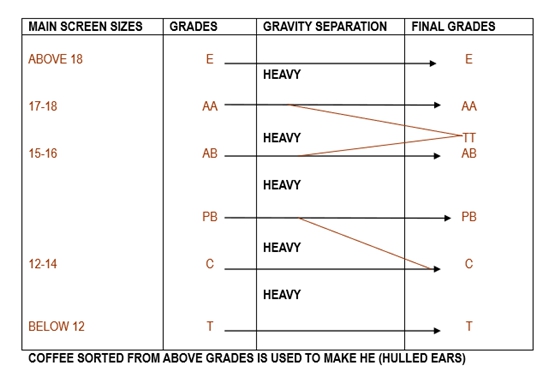
Kenya AA refers to the largest grade of Kenyan coffee beans—screen size 17 and above (6.75mm)—but the real magic lies in the SL28 and SL34 varieties grown at high altitudes, often above 1,400 metres, and processed through a meticulous washed method unique to Kenya.
Where Kenya AA Coffee Comes From
The majority of Kenya’s coffee is cultivated by smallholder farmers and cooperatives, with over six million people involved in the industry. Key growing regions include Nyeri, Kirinyaga, Murang’a, Kiambu, Embu, and Thika—all located near the slopes of Mount Kenya and the Aberdare Range, typically at elevations between 1,400 and 2,000 metres.
These high-altitude environments, coupled with efforts to preserve native forest ecosystems, help maintain a rich genetic diversity among coffee plants. The volcanic, high-phosphate soils in these areas further contribute to the distinct cup character of Kenyan beans.
The Genetic Foundation: SL28 and SL34
In the 1930s, researchers at the Scott Laboratories (now known as the Kenya Coffee Research Institute) developed a series of coffee varieties to improve disease resistance and yield while preserving cup quality. Among these, SL28 and SL34 emerged as the most celebrated.
SL28, a genetic cross with lineage tracing back to Typica, Bourbon, and Yemeni strains, was originally selected for its ability to produce high-quality beans in regions with moderate leaf rust pressure. Though yields are lower than expected—around 1.8 tonnes of green beans per hectare—it delivers exceptional cup quality: a (copper-toned) bean shaped like a broad bean, with a bright acidity, complex fruit layers, and hallmark notes of citrus and dark plum .
SL34, while also developed by Scott Labs, tends toward a more balanced expression of fruit acidity alongside nutty and spicy undertones. Both varieties thrive at higher altitudes and contribute enormously to Kenya’s reputation for producing some of the most vibrant and complex coffees in the world.
Kenya’s Unique Washed Processing Method
The brightness and juiciness of Kenya AA coffee aren’t just about variety and altitude—they’re also a product of Kenya’s distinctive double-fermentation washed process.
After harvest, coffee cherries are depulped and then fermented for 48 hours to break down the mucilage. Following this, the beans are washed to remove all remaining fruit residue, then soaked in clean water for an additional 24 hours. This extended and layered fermentation enhances the coffee’s inherent fruit acids and creates a clean, vibrant cup with intense sweetness and complexity.
The result is a coffee with a juicy body, high acidity reminiscent of wine, and layered flavour notes that can include blackberry, grapefruit, dark plum, and even hints of caramel or stone fruit depending on the roast level.
What Is Kenya AA?
“AA” is a grade based on bean size, not flavour or processing method. In Kenya’s classification system, beans are sorted by size using screens, and AA denotes the largest beans, those that pass through a 17/18 mesh sieve (at least 6.75 mm in diameter). While size doesn’t guarantee quality, in Kenya it often correlates with beans grown at higher altitudes, where slower development leads to greater density and more complex flavours.
Frequently Asked Questions
What does “Kenya AA” mean?
Kenya AA refers to the largest grade of Kenyan coffee beans, graded as 17 or 18 mesh size (≥6.75mm). It is primarily a physical classification based on bean size, although AA-grade beans are often grown at higher altitudes and tend to have more complex flavour potential.
What makes Kenyan coffee so acidic?
Kenyan coffee’s high acidity comes from a combination of factors: high-altitude cultivation (1,400–2,000m), volcanic and phosphate-rich soils, and the genetic traits of SL28 and SL34 varieties. The washed processing method also enhances and clarifies the bright acidity.
Which coffee varieties are most common in Kenya?
The most famous and widely planted coffee varieties in Kenya are SL28 and SL34, both developed by the Scott Laboratories in the 1930s. These varieties are known for their exceptional cup quality, vibrant acidity, and ability to thrive in high-altitude environments.
How is Kenyan coffee processed differently?
Kenya uses a unique double-fermentation washed process: coffee cherries are pulped, then fermented for 48 hours, washed, and soaked again in clean water for 24 hours. This method enhances sweetness, clarity, and complexity compared to standard washed processes.
What flavours are typical in Kenya AA coffee?
Kenya AA coffee often features bright citrus, blackcurrant, dark plum , grapefruit, and stone fruit notes. The cup is typically wine-like, juicy, and sweet with a well-balanced body and high acidity.
Where is Kenyan coffee mainly grown?
Kenyan coffee is grown primarily around the slopes of Mount Kenya and the Aberdare Range, in regions such as Nyeri, Kirinyaga, Murang’a, Kiambu, Embu, and Thika, at elevations between 1,400 and 2,000 metres.
Recommended FrontStreet Coffee for Kenya AA Fans
FrontStreet’s Kenya Little Tomato combines the prized SL28 and SL34 varieties, processed with a refined double fermentation washed method and roasted to a bright medium level. Expect a juicy cup loaded with notes of cherry, pear, dark plum, blackcurrant, brown sugar, and a touch of caramel. The body is round yet vibrant, with a sweet, lingering finish that highlights Kenya’s signature acidity. Perfect for pour-over, cold brew, or even iced coffee. Freshly roasted within 5 days · Orders placed before 17:00 ship the same day · Next-day delivery across most of Guangdong Province.
FrontStreet Coffee is a long-established specialty coffee roaster in Guangzhou China, selling freshly roasted beans from its own farm in Yunnan as well as dozens of carefully selected single-origin beans from around the world for both pour-over and espresso. The products deliver consistently excellent quality and great value, with shipping within 24 hours. Guangzhou's FrontStreet Coffee shop is recommended by many coffee lovers, and the beans are now available online at the Tmall 。
Important Notice :
前街咖啡 FrontStreet Coffee has moved to new addredd:
FrontStreet Coffee Address: 315,Donghua East Road,GuangZhou
Tel:020 38364473