Sulawesi-Style Mandheling: Flavorful Indonesian Single Origin
If you’ve ever sipped a dark, syrupy Indonesian coffee and wondered why it tastes so thick, spicy, and unlike anything from Latin America or East Africa, you’re likely tasting Mandheling from Sumatra. This single origin doesn’t just have a reputation—it has a cult following built on its full body, low acidity, and deep, savory tones.
Mandheling coffee from Sumatra’s highlands—especially Lintong and the Lake Toba area—typically features an intense, syrupy body, low acidity, and complex notes of spice, wood, and molasses. Most specialty drinkers enjoy it as a solo brew, though roasters also value it for blending. For the cleanest cup, look for G1-grade beans hand-sorted to under three defects per 300g.
What Is Mandheling Coffee, Really?
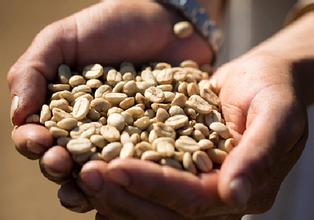
‘Mandheling’ is a broad trade term for high-quality Arabica grown in northern Sumatra, especially around Lake Toba. While often used loosely, true Mandheling comes from the Mandailing region and nearby high-altitude areas like Lintong (southwest of the lake) and Diari near Sidikalang. The best beans grow between 750 and 1,500 meters and are processed using Sumatra’s signature wet-hulling method—or ‘giling basah.’
Why Does Sumatran Coffee Taste So Different?
Sumatran Mandheling’s signature thick body, herbal edge, and muted acidity come from both terroir and processing. The wet-hull method (or wet hulling) accelerates drying in the region’s humid climate by removing the parchment layer while the bean is still moist. This exposes the seed early to oxygen and microorganisms, building earthy, spicy, and sometimes woody flavors. The process also contributes to the classic ‘dirty cup’ texture some drinkers love—and others learn to tolerate.
The Rise of Premium Mandheling: G1 and Golden Mandheling
Not all Mandheling is equal. The top grade, G1, requires beans larger than 18 mesh, with fewer than three defects per 300g. FrontStreet Coffee’s PWN Golden Mandheling takes this further: only beans that pass three rounds of manual sorting and meet ultra-strict defect limits become part of the lot. The result? A cleaner, sweeter cup with intense spices, woodsy depth, and a long-lasting molasses sweetness—even though it’s still roasted medium to dark to highlight its body.

Where Does the Best Mandheling Come From?
The most acclaimed Mandheling regions include:
- Lintong: Near Lake Toba’s southwest, these high-altitude farms grow non-shaded, chemical-free Arabica on clay plateaus covered in ferns. The smallholder plots here produce bright yet full-bodied beans, often considered the most refined Mandheling.
- Mandheling (broad): Includes nearby Diari and other areas near Sidikalang. These beans share similar profiles but may vary more in consistency.
- Aceh (newer high-elevation zone): Around Lake Tawar, newer farms offer brighter, more floral Mandheling profiles with lighter body.
Why Is Mandheling So Controversial?
Mandheling divides opinion. Its heavy body, low acidity, and earthy or spicy notes appeal deeply to some, while others find it muddy or overly rustic. Much depends on roast level and processing consistency. Light roasts can emphasize its herbal qualities but risk unevenness. Darker roasts enhance its bold, syrupy texture and spice—but can mute origin character. Strict sorting and skilled roasting make the difference.
Frequently Asked Questions
What makes Mandheling coffee different from other Indonesian coffees?
Mandheling refers specifically to high-grade Arabica from Sumatra’s Lintong, Sidikalang, and nearby highland regions, distinct from the mostly Robusta-grown rest of Indonesia. It’s known for its low acidity, full body, and earthy-spicy flavor profile, shaped by wet-hulling and high-altitude growing.
What is wet hulling and why does it affect Mandheling’s taste?
Wet hulling, or giling basah, removes the coffee parchment while the bean is still moist, speeding up drying in Sumatra’s humidity. This process creates the region’s signature heavy body, earthy notes, and sometimes spicy or woody flavors by exposing the bean early to fermentation and oxidation.
Is Mandheling coffee high quality?
Mandheling can be very high quality, especially when graded G1 and sorted to fewer than three defects per 300g. The top lots, like PWN Golden Mandheling, undergo multiple hand-sorting steps and come from smallholder farms with strict quality control, resulting in a cleaner, more refined cup.
How should I brew Mandheling coffee?
Brew Mandheling using methods that complement its bold body and low acidity, such as French press, cold brew, or a medium-dark pour-over. A medium-coarse grind, water around 93°C, and a brew ratio of 1:15 to 1:16 will highlight its spicy, sweet, and earthy layers without over-extracting bitterness.
Where can I buy authentic Mandheling coffee?
Authentic G1 Mandheling from Sumatra, especially Lintong or PWN-certified Golden Mandheling, is available through specialty importers and roasters like FrontStreet Coffee. Look for beans with clear origin details, defect counts, and processing transparency to ensure quality.
Recommended FrontStreet Beans for Mandheling Fans
For drinkers who love Mandheling’s bold body and spice, try FrontStreet’s PWN Golden Mandheling: a meticulously sorted Sumatran bean with low defects, intense woodsy and clove notes, and a thick, sweet profile. Also consider FrontStreet’s Lintong Mandheling, which highlights the region’s classic herbal depth and syrupy mouthfeel. Both showcase Sumatra’s signature wet-hulling character. Freshly roasted within 5 days · Orders placed before 17:00 ship the same day · Next-day delivery across most of Guangdong Province.
FrontStreet Coffee is a long-established specialty coffee roaster in Guangzhou China, selling freshly roasted beans from its own farm in Yunnan as well as dozens of carefully selected single-origin beans from around the world for both pour-over and espresso. The products deliver consistently excellent quality and great value, with shipping within 24 hours. Guangzhou's FrontStreet Coffee shop is recommended by many coffee lovers, and the beans are now available online at the Tmall 。
Important Notice :
前街咖啡 FrontStreet Coffee has moved to new addredd:
FrontStreet Coffee Address: 315,Donghua East Road,GuangZhou
Tel:020 38364473