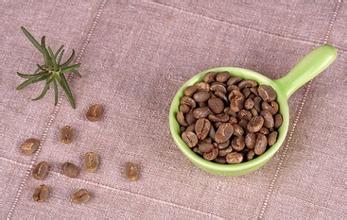
Aged Mandheling Coffee Beans from Indonesia
Ever bought an ‘aged’ coffee and wondered why it was stored for months—or years—before roasting? If you’ve encountered aged Mandheling beans, you might have noticed deeper, earthier flavors than your usual fresh-roasted cup. But what exactly is an aged Mandheling, where does it come from, and why age it at all?
Indonesian aged Mandheling green coffee beans are typically stored for several months to over a year before roasting. This traditional practice, originating in Sumatra, aims to mellow acidity and develop deeper, spicy, or woody notes. Most come from the Lintong and Gayo highlands, are processed using wet hulling, and are known for low acidity and full body.
What Is Aged Mandheling Coffee?
Aged Mandheling refers to green coffee beans from Indonesia—primarily Sumatra—that are stored for an extended period, often between several months to over a year, before being roasted. Unlike standard green coffee, which is usually roasted within months of harvest, aged beans undergo deliberate storage in controlled conditions to allow gradual flavor changes. The goal is to reduce perceived acidity and encourage the development of deeper, more subdued flavor profiles, such as earthiness, woodiness, or spice.
Where Does Mandheling Coffee Come From?
Mandheling coffee is grown in the Indonesian archipelago, particularly on the island of Sumatra. Key regions include the Lintong area near Lake Toba and the Gayo Highlands in Aceh province. These high-elevation regions—between 1,100 and 1,600 meters above sea level—are ideal for slow cherry maturation. The area’s volcanic soil, consistent rainfall, and tropical climate contribute to the beans’ signature traits: full body, low acidity, and herbal or spicy notes. While 'Mandheling' is a trade name and not tied to a specific ethnic group or region, it has become synonymous with high-quality Sumatran coffee.
Sumatra also produces other notable coffees, such as Gayo (from the Gayo Highlands) and Mandheling-style beans using the same regional processing methods. The vast majority of Indonesian coffee is Robusta, but the Mandheling type is almost always Arabica, and considered among the best the country offers.
Why Are Mandheling Beans Aged?
Aging Mandheling beans is a traditional practice rooted in the logistical and market conditions of Indonesia’s coffee trade. In the past, green beans were shipped overseas on long ocean voyages, during which natural aging occurred. Over time, roasters and importers noticed that these aged beans produced a cup with less bright acidity and more pronounced earthy, spicy, or woody characteristics. Today, some producers and exporters continue the practice deliberately, storing the green beans in cool, dry warehouses for many months. This controlled aging aims to achieve a smoother, more balanced cup profile preferred by certain specialty markets. The process can also help mellow overly sharp or vegetal notes common in freshly harvested Sumatran beans.
How Is Mandheling Processed?
Most Mandheling coffee, including aged versions, is processed using the wet hulling method (also called Giling Basah). In this method, coffee cherries are depulped and briefly fermented. The beans, still coated in mucilage, are then washed and dried to around 30–50% moisture content—much higher than the 11–12% typical in fully washed processes. The parchment is then removed while the beans are still moist, resulting in a distinctive deep blue-green color and slightly wrinkled surface. This method contributes to the beans’ full body, low acidity, and earthy flavor notes. Wet hulling is especially suited to Sumatra’s high humidity and irregular drying conditions, though it requires careful handling to avoid defects.
Flavor Profile of Aged Mandheling
Aged Mandheling coffee typically exhibits a low-acidity, heavy-bodied cup. Common tasting notes include spices like clove or cardamom, dark chocolate, cedarwood, tobacco, and sometimes a lingering sweet finish reminiscent of caramel or roasted nuts. Over time, the bright fruity or acidic qualities found in freshly processed Arabica beans diminish, making way for more muted, earthy, and sometimes herbal characteristics. The exact profile depends on the original processing quality, storage conditions, and duration of aging. When brewed, aged Mandheling often feels smooth on the palate with a long, lingering aftertaste.
Frequently Asked Questions

What does 'aged' mean in aged Mandheling coffee beans?
Aged Mandheling beans are green coffee beans stored for several months to over a year before roasting. This aging process, done under controlled conditions, aims to reduce acidity and develop deeper, earthier flavor notes such as wood, spice, or tobacco.
Where is Mandheling coffee grown in Indonesia?
Mandheling coffee is primarily grown in Sumatra, especially in the Lintong region near Lake Toba and the Gayo Highlands in Aceh. These areas sit at 1,100–1,600 meters altitude and feature volcanic soils and a wet, tropical climate.
Why is Mandheling coffee aged before roasting?
Mandheling coffee is aged to mellow its natural acidity and enhance deeper, more subdued flavors like earthiness and spice. Historically, this happened during long sea shipments, but today it’s sometimes done deliberately for specific flavor profiles.
What processing method is used for Mandheling coffee?
Most Mandheling coffee, including aged beans, is processed using wet hulling (Giling Basah). This method removes the parchment at higher moisture levels, creating a full-bodied, low-acid cup with earthy and spicy flavors.
What does aged Mandheling taste like?
Aged Mandheling usually has low acidity and a heavy body, with flavors like spices, dark chocolate, cedar, tobacco, and sweet woody or nutty notes. The profile is smoother and less bright than fresh Arabica coffees.
Is Mandheling coffee Arabica or Robusta?
Aged Mandheling coffee is almost always Arabica. While most Indonesian coffee is Robusta, Mandheling beans are considered among the best Arabica the country produces, primarily from Sumatra’s highland regions.
Recommended FrontStreet Beans for Aged Mandheling Fans
If you enjoy the deep, earthy character of aged Mandheling, try FrontStreet’s Lintong Mandheling. It offers classic Sumatran spice, black chocolate, and caramel notes with a sweet finish. For a premium option, FrontStreet’s PWN Golden Mandheling is meticulously sorted and delivers toast, pine, caramel, and cocoa with a rich, balanced body and lasting sweet crema. Both beans highlight the low-acid, full-bodied style typical of Sumatra. Freshly roasted within 5 days · Orders placed before 17:00 ship the same day · Next-day delivery across most of Guangdong Province.
FrontStreet Coffee is a long-established specialty coffee roaster in Guangzhou China, selling freshly roasted beans from its own farm in Yunnan as well as dozens of carefully selected single-origin beans from around the world for both pour-over and espresso. The products deliver consistently excellent quality and great value, with shipping within 24 hours. Guangzhou's FrontStreet Coffee shop is recommended by many coffee lovers, and the beans are now available online at the Tmall 。
Important Notice :
前街咖啡 FrontStreet Coffee has moved to new addredd:
FrontStreet Coffee Address: 315,Donghua East Road,GuangZhou
Tel:020 38364473