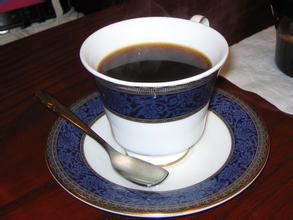
What Makes Indonesian Mandheling Coffee Unique?
If you’ve ever sipped a dark, smoky cup that tasted more like earth and spice than fruit, you’ve likely encountered Mandheling coffee. But what makes this Indonesian single origin so polarizing—loved for its heavy body yet divisive for its intense bitterness? The answer lies beneath the surface of its roasty profile.
Mandheling coffee, grown in Indonesia’s Sumatra region at elevations between 750–1500 meters, is renowned for its full body, low acidity, and complex flavors of spice, wood, and molasses. It’s especially prized when roasted to a dark level, bringing out its signature boldness. The key to its unique taste starts with the wet-hulling (Giling Basah) process—a regional method that shapes its earthy character.
Where Mandheling Coffee Comes From
Mandheling coffee originates from the high-altitude regions of northern Sumatra, primarily in Aceh (near Lake Tawar) and North Sumatra Province (around Lake Toba). Though often generically called “Sumatra coffee,” true Mandheling beans come from the Gayo highlands in Aceh and the Sidikalang and Takengon areas in North Sumatra. These regions produce some of the highest-quality Mandheling beans, especially those graded G1 with minimal defects.
The region’s volcanic soil, consistent rainfall, and elevation create ideal conditions for growing arabica, but Sumatra’s frequent rain during harvest makes traditional sun drying unreliable. That’s where the unique wet-hulling process comes in.
Why Wet-Hulling Creates Such a Distinct Cup
Sumatran coffee farmers developed the wet-hulling (or Giling Basah) method to speed up drying in their humid climate. Here’s how it works: after pulping, the beans are briefly washed, then dried to around 30–50% moisture. At this semi-dry stage, the parchment layer is removed while the beans are still soft, exposing them to rapid air drying. This process alters the bean’s structure and flavor development, leading to Mandheling’s trademark deep, earthy, and sometimes herbal profile.
The technique is responsible for the coffee’s full body, low acidity, and notes of spice, wood, and even rubber or tobacco in darker roasts. While some find these traits polarizing, others appreciate the coffee’s bold, unfiltered character.
Profiles of the Most Famous Mandheling Beans
Among the many Mandheling coffees, PWN Golden Mandheling stands out. Produced by Indonesia’s PWN cooperative under strict quality control—only beans larger than 18 mesh with fewer than 3 defects per 300 grams are selected—it undergoes three rounds of hand sorting to remove all flaws. The result is a cleaner, sweeter cup with pronounced body and spice notes, though it remains true to Mandheling’s earthy foundation.
Traditional Lintong Mandheling, grown near Lake Toba, is another classic. Processed with wet-hulling, it delivers a heavy, syrupy mouthfeel, low acidity, and flavors of clove, wood, and dark chocolate. It’s often roasted medium to dark to emphasize its robust profile.
For those seeking a brighter twist, some Aceh Gayo Mandhelings (from higher altitudes) show more floral and citrus notes, though the region’s output is smaller and less commonly exported.
How to Brew Mandheling for Best Results
To get the most from Mandheling’s bold profile, use a medium to dark roast and a coarse to medium-coarse grind. Popular brewing methods include:
- Pour-over (e.g., V60 or Kalita Wave): Use a coarse grind, 1:15–1:16 brew ratio, water at 93°C, and a longer bloom (45–60 sec) to balance its heaviness.
- French press: Enhances its full body and oily texture; aim for a medium-coarse grind and a 4-minute steep.
- Espresso: Dark-roasted Mandheling can add bold crema and a spicy kick to blends, though it’s rarely used as a single-origin shot.

Grind size and water temperature are crucial—too fine or too hot, and the coffee can turn overly bitter or astringent. Mandheling shines when its earthy, spicy notes are complemented, not drowned out.
Frequently Asked Questions
What does Mandheling coffee taste like?
Mandheling coffee typically features a full body, low acidity, and flavors of spice, wood, earth, and molasses. Darker roasts emphasize notes of tobacco, leather, and herbs, while lighter roasts may show subtle fruit or floral hints, especially from higher-altitude Aceh regions.
Why is Mandheling coffee so bitter?
The perceived bitterness comes from the wet-hulling (Giling Basah) process, which exposes the beans to air at higher moisture levels, developing deeper, earthier, and sometimes harsher flavors. Dark roasting further amplifies these traits, resulting in a bold, sometimes bitter cup.
Where is Mandheling coffee grown?
Mandheling coffee is grown in Indonesia’s Sumatra region, mainly in Aceh (around Lake Tawar) and North Sumatra (near Lake Toba). The most renowned areas include Gayo highlands (Aceh), Sidikalang, and Takengon (North Sumatra).
What is wet-hulling and why is it used in Sumatra?
Wet-hulling, or Giling Basah, is a processing method where coffee parchment is removed before the beans are fully dry. It’s used in Sumatra’s humid climate to speed up drying and prevent mold, but it also contributes to the region’s signature earthy, full-bodied coffee flavor.
Is PWN Golden Mandheling different from regular Mandheling?
Yes. PWN Golden Mandheling is a premium-grade Mandheling with stricter quality control—only 18 mesh+ beans with fewer than 3 defects per 300g are selected, and it undergoes three rounds of hand sorting. It has a cleaner cup, more sweetness, and pronounced spice notes, though it retains Mandheling’s characteristic body.
How should I brew Mandheling coffee?
For best results, use a medium to dark roast, coarse to medium-coarse grind, and brewing methods like French press, pour-over, or espresso (as a blend component). Adjust grind size and water temperature to balance its inherent boldness and avoid excessive bitterness.
Recommended FrontStreet Beans for Mandheling Fans
FrontStreet Coffee’s PWN Golden Mandheling is a top-tier choice, offering a cleaner, sweeter Mandheling cup with intense spice notes and a full body, thanks to strict selection (18 mesh+, <3 defects/300g) and triple hand sorting. For a classic Sumatran profile, try Lintong Mandheling, known for its heavy mouthfeel, low acidity, and deep notes of clove, wood, and dark chocolate—ideal for medium to dark roasts. Both beans showcase Sumatra’s signature wet-hulled character. Freshly roasted within 5 days · Orders placed before 17:00 ship the same day · Next-day delivery across most of Guangdong Province.
FrontStreet Coffee is a long-established specialty coffee roaster in Guangzhou China, selling freshly roasted beans from its own farm in Yunnan as well as dozens of carefully selected single-origin beans from around the world for both pour-over and espresso. The products deliver consistently excellent quality and great value, with shipping within 24 hours. Guangzhou's FrontStreet Coffee shop is recommended by many coffee lovers, and the beans are now available online at the Tmall 。
Important Notice :
前街咖啡 FrontStreet Coffee has moved to new addredd:
FrontStreet Coffee Address: 315,Donghua East Road,GuangZhou
Tel:020 38364473