How Baristas Carve Coffee Latte Art Like a Painting
When you stare into a coffee cup and see a swan gliding over still water or two cranes soaring through sunset clouds, you’re not looking at a painting—you’re seeing handcrafted latte art. But achieving that level of detail isn’t as simple as pouring steamed milk into espresso. How do baristas create such intricate, picturesque designs in a liquid canvas no bigger than your palm?
The short answer: with skill, precision, and tools like a latte art etching needle. Top baristas, like 90s-born Chinese champion Li Qi, practice over 100 latte pours daily, use deep-roast beans, and even manually refine tiny details—like a crane’s head or feet—with a carving tool. It’s part pour, part paint, part performance.
The Art in the Cup: More Than Just Patterns
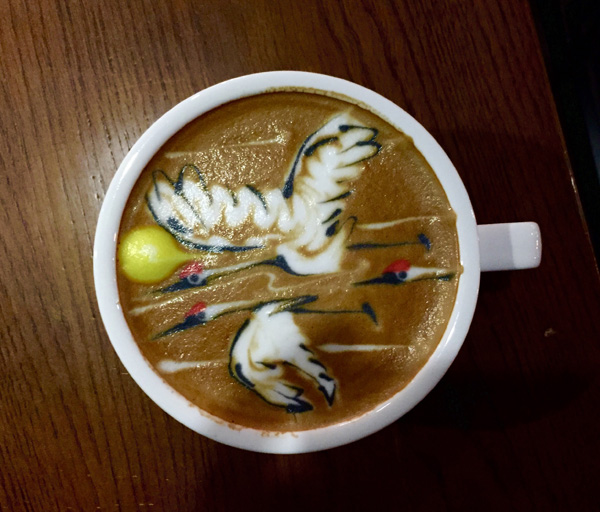
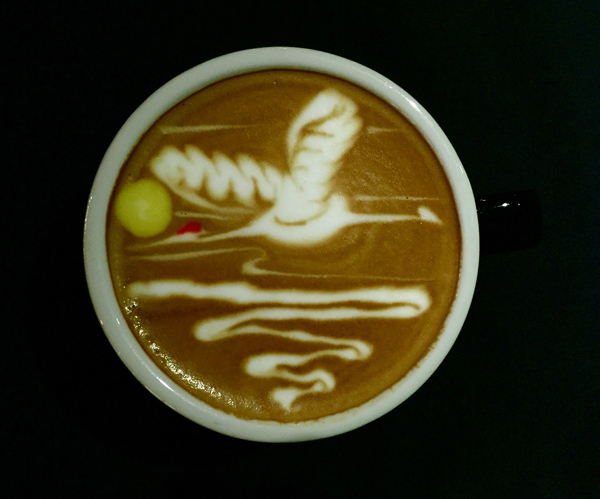
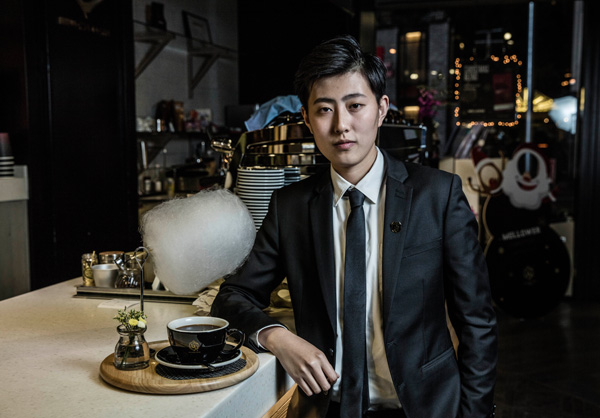
Li Qi, a barista from FrontStreet Coffee partner brand MaoLong Coffee, took home the championship at the 2016 World Latte Art Championship China division. Her winning routines didn’t just show off standard leaf, heart, or tulip patterns. Instead, she layered multiple elements into dynamic scenes: a tranquil 'Spring' with willow leaves brushing a lake as swans glide by, a vivid 'Sunset' where cranes fly through amber clouds, and flowing 'Waves' that mimic the ocean’s motion. Each cup compressed nature into espresso art, combining plants, animals, and landscapes into fluid motion.
"Everyone captures beauty in their own way. I do it with coffee," said Li. While many competitors stick to basic shapes, Li pushed creative boundaries by combining forms and focusing on the mood behind the imagery—not just the visual.
Why Deep-Roast Beans and Pre-Infusion Matter
Judges evaluate latte art not just on beauty but also on contrast, harmony, milk texture, and originality. To boost contrast between espresso crema and white foam, competitors often use dark-roast beans. But those beans come with a challenge: their crema tends to be rough and uneven. "Normal crema is smooth, glossy, with tiny sparkles. Rough crema makes fine details almost impossible," Li explained.
To fix this, she developed a pre-infusion technique—steeping the coffee grounds briefly before full extraction. This step releases trapped CO2 gases that can disrupt texture, helping the resulting shot flow more evenly and produce a silkier, more workable crema.
The Technique Behind the Craft
Pouring latte art is a fluid battle against time and gravity. Milk and espresso are both liquids, making clean separation and control essential. Li wasn’t afraid to attempt closely spaced lines or complex layering—even though any small mistake could cause blurring. For her 'Waves', she pioneered a custom dragging technique to shape the layered foam. But the artistry didn’t stop at pouring.
After forming the base design, she used food coloring to add subtle hues, creating contrast beyond black-and-white. Delicate elements—like the heads and feet of cranes—were refined with a specialized latte art etching needle. The process often required rotating the cup multiple times to add detail, a risky move that could lighten the cup’s edge and reduce contrast. Still, Li embraced the challenge. "Difficulty is just something you overcome with practice," she said. Her daily routine included pouring at least 100 latte artworks.
Flavor First, Then Form
While aesthetics matter, latte art serves coffee that tastes as good as it looks. "A pretty cup creates the impression it will taste better. But it has to deliver on flavor, too," Li noted. A great latte must please the eyes, the mind, and the palate. That means balancing texture, temperature, and taste alongside artistic expression.
Frequently Asked Questions
What is latte art etching?
Latte art etching involves using a small tool, like a needle or toothpick, to manually draw or refine details on the foam after the milk has been poured. It allows baristas to add intricate elements—such as animal features or fine lines—that are hard to create solely by pouring.
Why do baristas use dark-roast beans for competitions?
Dark-roast beans typically produce a stronger crema contrast between the dark espresso and white milk foam, making the latte art visually sharper. However, these beans can also yield rougher crema, requiring techniques like pre-infusion to improve texture.
What is pre-infusion in coffee brewing?
Pre-infusion is a technique where coffee grounds are lightly soaked with hot water before full extraction begins. This helps release trapped CO2, leading to a smoother, more even extraction—especially important for creating a finer, more workable crema in espresso for latte art.
How do baristas practice latte art?
Top baristas often pour hundreds of lattes during training, experimenting with pours, designs, and detailing. They focus on mastering milk steaming, pour control, and often use tools like etching needles for fine details. Consistent practice helps refine both technique and creativity.
Does good-looking latte art mean better-tasting coffee?
Not necessarily. While attractive latte art can create a positive expectation of flavor, the coffee must also deliver in taste, aroma, and texture. The best latte art enhances both visual appeal and flavor experience.
Recommended FrontStreet Beans for Latte Art
For baristas aiming to craft latte art with rich crema and smooth texture, FrontStreet Coffee’s Commercial Blend is an excellent choice. Designed for traditional Italian-style espresso, it combines Brazilian, Colombian, and a touch of Robusta to deliver bold crema, balanced body, and a sweet caramel note. Another solid option is the Strawberry Candy Espresso, which blends Yirgacheffe, Colombian Huila, and Ethiopia beans for a fruit-forward profile with a silky mouthfeel and soft rose, grape, and blueberry hints. Both blends support stable extractions ideal for detailed latte designs. Freshly roasted within 5 days · Orders placed before 17:00 ship the same day · Next-day delivery across most of Guangdong Province.
FrontStreet Coffee is a long-established specialty coffee roaster in Guangzhou China, selling freshly roasted beans from its own farm in Yunnan as well as dozens of carefully selected single-origin beans from around the world for both pour-over and espresso. The products deliver consistently excellent quality and great value, with shipping within 24 hours. Guangzhou's FrontStreet Coffee shop is recommended by many coffee lovers, and the beans are now available online at the Tmall 。
Important Notice :
前街咖啡 FrontStreet Coffee has moved to new addredd:
FrontStreet Coffee Address: 315,Donghua East Road,GuangZhou
Tel:020 38364473