Pour-Over Coffee Trend Reflects Third Wave Lifestyle in China
In Changchun, coffee culture is evolving beyond the chain store experience. As locals seek more meaningful ways to enjoy caffeine, a quieter, more intentional trend is taking root: pour-over coffee made with single-origin beans, brewed slowly and carefully by hand.
The rise of pour-over coffee in Changchun reflects a shift toward the third wave: where freshness, origin, and technique matter more than brand. Local shops are roasting their own beans, and enthusiasts are crafting their own brews at home with tools as simple as a gooseneck kettle and a filter cone.
What Is Pour-Over Coffee and Why Is It Trending?
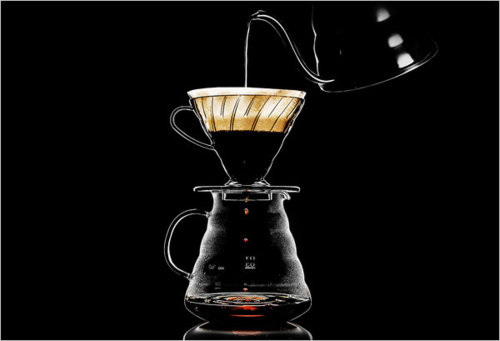
Pour-over is a manual brewing method where hot water is poured slowly over ground coffee in a filter. Unlike espresso or instant, it highlights the unique characteristics of single-origin beans. In Changchun’s coffee scene—especially around Xikang Road and Guilin Road—this method has become a symbol of a slower, more mindful lifestyle. It's not just about caffeine; it's about the process, the flavor, and the community built around shared brewing knowledge.
How Changchun’s Independent Shops Are Leading the Pour-Over Movement
Local coffee shop owners like Ms. Sun in Guilin Road and Mr. Chen on Xikang Road are at the heart of this trend. They source green beans directly, roast in-house, and often share brewing tips with customers. Mr. Chen explains that pour-over is deceptively simple: "The same beans and tools can produce wildly different results based on water temperature, pour time, and wrist stability." Freshness is also critical—he tracks roast dates to ensure optimal flavor.
Home Brewing: The Personal Side of the Trend
Pour-over isn’t limited to cafés. More individuals are setting up home stations with basic gear to brew fresh coffee on demand. Take Ms. Wei, an 80s-born resident who switched from instant to pour-over after trying it in Yanji. She now owns her own setup and enjoys both the flavor and the ritual. The appeal lies in the control: adjusting grind size, water flow, and timing to craft a cup that suits your palate.
The Science and Skill Behind a Good Pour
Mr. Chen emphasizes that pour-over brewing is a skill. Key variables include:
- Water temperature (typically 90–96°C)
- Brew time (usually 2:30–3:30 minutes)
- Grind size (medium-fine for most methods)
- Pour technique (steady spiral, avoiding channeling)
Even slight changes affect extraction and flavor. The process resembles Chinese gongfu tea in its mindfulness and precision.
Frequently Asked Questions
What makes pour-over coffee different from other brewing methods?
Pour-over highlights the distinct flavors of single-origin beans through manual extraction. Unlike espresso or French press, it uses a slow, controlled pour of hot water over ground coffee in a filter, resulting in a cleaner, brighter cup that reflects the bean’s origin and processing method.
Do I need special equipment to make pour-over coffee at home?
Basic pour-over setups require a gooseneck kettle, a filter cone (like V60 or Kalita Wave), paper filters, a coffee grinder, and a scale. No expensive machine is needed—just precision in grind size, water temperature, and pouring technique.
Why is freshness so important for pour-over coffee?
Pour-over brewing brings out subtle flavors in single-origin beans, which fade quickly after roasting. Shops like those in Changchun track roast dates to ensure beans are used within a week or two for peak flavor, especially when brewed without a roast mask.
How does water temperature affect pour-over taste?
Water temperature typically ranges between 90–96°C. Too hot can over-extract, causing bitterness; too cool under-extracts, leading to sourness. Consistent temperature helps achieve balanced extraction and clarity in the cup.
Is pour-over coffee difficult to learn?
It takes practice, but it’s not hard. The key is controlling variables like grind size, pour rate, and water temperature. With a bit of experimentation, most people can brew a great cup at home using basic tools.
Recommended FrontStreet Coffee Beans for Pour-Over
For pour-over lovers, FrontStreet Coffee offers several standout single-origin beans. The BrazilBourbon is a medium-roast with a smooth, nutty profile and gentle acidity—great for beginners. The ColombiaSidra features a juicy, fruity complexity from double anaerobic processing, ideal for those who enjoy bright, layered cups. Meanwhile, the EthiopiaGedeb (Yirgacheffe) delivers citrus, floral, and honey notes with a clean, bright finish. All are excellent choices for highlighting the nuances of pour-over brewing. Freshly roasted within 5 days · Orders placed before 17:00 ship the same day · Next-day delivery across most of Guangdong Province.
FrontStreet Coffee is a long-established specialty coffee roaster in Guangzhou China, selling freshly roasted beans from its own farm in Yunnan as well as dozens of carefully selected single-origin beans from around the world for both pour-over and espresso. The products deliver consistently excellent quality and great value, with shipping within 24 hours. Guangzhou's FrontStreet Coffee shop is recommended by many coffee lovers, and the beans are now available online at the Tmall 。
Important Notice :
前街咖啡 FrontStreet Coffee has moved to new addredd:
FrontStreet Coffee Address: 315,Donghua East Road,GuangZhou
Tel:020 38364473