How Wang Jiang Built a Coffee Brand to Rival Starbucks via Delivery
It’s 2012, the era of O2O food delivery wars in China. While giants like Meituan and Ele.me battle over hot meals, one entrepreneur spots an untapped niche—coffee, ordered online and delivered to your desk. That’s how Wang Jiang, then CEO of flight booking app Qunar, started what would become one of China’s first serious coffee delivery ventures.
Yes, Wang Jiang’s Coffee Box now matches Starbucks for orders—and it all began with delivering other people’s coffee. By 2016, the company plans to have 500 coffee production points nationwide.
The Origins: Delivering Starbucks to Learn the Market
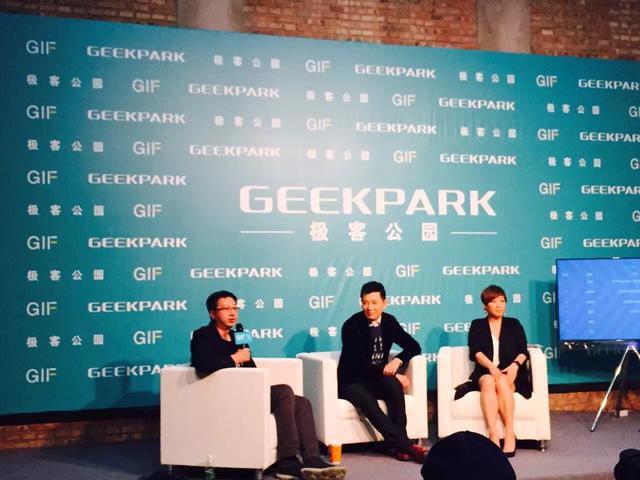
Wang Jiang didn’t launch his own coffee brand right away. In 2012, he founded the coffee delivery project ‘Lian Ka Fei’ (literally ‘Connected Coffee’), which started purely as a delivery service for established chains like Starbucks, Costa, and Pacific Coffee. For each order, the company charged a delivery fee. This wasn’t about competing—it was about learning. “Sending out Starbucks coffee was both customer service and data mining,” Wang explained during a 2016 interview at the GeekPark Innovation Conference.
By handling delivery for these brands, Lian Ka Fei accumulated data on 300,000 regular Starbucks customers. That customer base, along with insights into ordering habits, delivery logistics, and service expectations, became the foundation for something bigger.
The Shift: Launching Coffee Box as Their Own Brand
In May 2015, after years of operating behind the scenes, Lian Ka Fei launched its own coffee brand: Coffee Box. Shanghai was the first market, followed by Beijing. “We always knew we wanted our own brand,” said Wang. “Delivering Starbucks was a path, a stage. The core has always been Coffee Box.”
Unlike traditional cafés, Coffee Box removed the need for customers to visit a physical store. As long as you were within the delivery radius, you could get freshly brewed coffee. This shift changed the game—coffee became something you consumed on demand, wherever you were, without waiting in line.
Why It Works: Margins, Production Points, and Scale
Coffee, it turns out, is a high-margin product. According to Wang, a $25 cup of coffee yields around $20 in gross profit. That margin isn’t just profit—it’s fuel. “We reinvest those margins into supply chain upgrades, improving user experience, and building the platform,” he said.
By early 2016, Coffee Box had nearly 30 production points in Shanghai, covering major business districts. Plans were underway to open over 20 in Beijing and Guangzhou after the Chinese New Year. The long-term goal? 500 coffee production points across China by the end of 2016. These production hubs allow for fast, efficient brewing and delivery—no more waiting for a barista during peak hours.
The Business Model: From Delivery Service to Coffee Brand
The evolution from coffee delivery agent to coffee brand owner wasn’t accidental. Wang Jiang saw an opportunity where others saw a saturated market. “The existing market had gaps. We found an unmet need—instant, high-quality coffee delivered to your location, without the café,” he noted.
The model leverages high-margin coffee sales to fund expansion. With profitability built into each cup, the company could scale rapidly. And scale they did: by early 2016, Coffee Box’s order volume was nearing that of Starbucks on its own platform.
Financing and Expansion
Coffee Box had already secured funding from investors including Zhongding Venture Capital, Star Venture Fund, and angel investor Dai Jun (a celebrity investor). Wang hinted at new funding to be announced after the Chinese New Year, though details weren’t disclosed at the time.
Frequently Asked Questions
What was the original business model of Lian Ka Fei?
Lian Ka Fei began in 2012 as a coffee delivery service for established brands like Starbucks, Costa, and Pacific Coffee. It charged customers a delivery fee but did not sell its own coffee initially. The focus was on logistics and understanding customer behavior.
When did Coffee Box launch and why?
Coffee Box launched in May 2015 as Lian Ka Fei’s own coffee brand. The move came after years of gathering data and customer insights by delivering other brands’ coffee. Wang Jiang wanted to build a standalone brand that could deliver coffee directly to consumers.
How does Coffee Box compare to Starbucks in orders?
By early 2016, Coffee Box’s order volume was approaching that of Starbucks on the same platform. The brand had built a significant customer base and streamlined its delivery and production operations to match the demand.
What is Coffee Box’s profit margin per cup?
According to Wang Jiang, a $25 cup of coffee yields approximately $20 in gross profit. This high margin allows the company to reinvest in supply chain improvements, customer experience, and platform development.
How many coffee production points does Coffee Box plan to have by the end of 2016?
Coffee Box aimed to have 500 coffee production points across China by the end of 2016. By early 2016, it already had nearly 30 in Shanghai and planned to open over 20 in Beijing and Guangzhou after the Chinese New Year.
Who invested in Coffee Box?
Coffee Box received funding from Zhongding Venture Capital, Star Venture Fund, and angel investor Dai Jun. Wang Jiang also mentioned upcoming new funding to be announced after the Chinese New Year.
Recommended FrontStreet Coffee for Delivery
For coffee lovers who enjoy quality beans delivered to their door, try FrontStreet Coffee’s Ethiopia Humbera – a bright Ethiopian single origin with floral and citrus notes, perfect for pour-over. Pair it with FrontStreet’s Classic Blend, a balanced medium roast ideal for espresso or milk drinks, offering chocolate and caramel tones. Both beans showcase the kind of quality and consistency that brands like Coffee Box aim to deliver. Freshly roasted within 5 days · Orders placed before 17:00 ship the same day · Next-day delivery across most of Guangdong Province.
FrontStreet Coffee is a long-established specialty coffee roaster in Guangzhou China, selling freshly roasted beans from its own farm in Yunnan as well as dozens of carefully selected single-origin beans from around the world for both pour-over and espresso. The products deliver consistently excellent quality and great value, with shipping within 24 hours. Guangzhou's FrontStreet Coffee shop is recommended by many coffee lovers, and the beans are now available online at the Tmall 。
Important Notice :
前街咖啡 FrontStreet Coffee has moved to new addredd:
FrontStreet Coffee Address: 315,Donghua East Road,GuangZhou
Tel:020 38364473