How Specialty Cafés Are Ditching Purity for Practicality
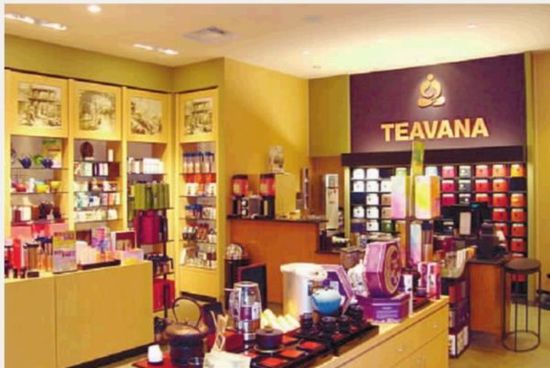
Two years ago, Starbucks spent $620 million to buy Teavana and opened five standalone tea bars in the U.S., hoping Americans would fall in love with tea. But recently, the company announced it’s shutting down four of those five locations—keeping just one in Seattle as a test—and converting three New York shops into regular Starbucks cafés. The tea-centric concept failed. Yet across China, especially in cities like Changsha, cafés are doing the opposite: packing in everything from board games to air-freighted yogurt and Chinese tea, whether or not it has anything to do with coffee.
Starbucks closed four of its five Teavana Tea Bars, keeping only the Seattle location. Meanwhile, Changsha cafés mix coffee with tea, yogurt, and games—and some sell more non-coffee items than espresso-based drinks.
The Tea Bar That Couldn’t
Starbucks bought Teavana in 2012, a tea retailer founded in 1997, and launched its first Teavana Tea Bars in 2021. These were pure tea experiences: no coffee, just floral and fruit-infused tea blends, light bites, and an emphasis on “lifestyle” and the “third space.” The idea was that customers would linger, as they do in cafés—but over tea. But it didn’t work. In an about-face, Starbucks will close three New York Teavana locations in April, turning them into standard Starbucks outlets. The Los Angeles branch is shutting permanently. Only the original Seattle store remains open as a pilot.
Changsha Cafés: More Than Just Coffee
In Changsha, the trend is heading in the other direction. At “Boyan Tang·Shi,” a café inside the newly opened Changsha Museum, coffee is just one offering among many. While the shop sells coffee for ¥12–22, it also offers tea for ¥18–88 and milk tea for ¥10–12. On busy days like New Year’s, the shop sells around 200 coffees—but 300 to 400 cups of milk tea. Tea, despite higher prices, still draws customers. The café also displays loose-leaf varieties like Maojian and green tea, both for decoration and for sale.
“We include tea to match the museum’s Chinese cultural vibe,” says manager Sun Dingyuxi. “It attracts older visitors and adds variety.” Coffee may be the focus on paper, but in practice, the café thrives on diversity.
Cafés as Entertainment Hubs
The shift goes beyond tea. Across Changsha, cafés are adding non-coffee attractions to draw in crowds. At “Savita Café” near the university district, the best-selling item isn’t coffee but ¥12 cups of fresh yogurt flown in from Qinghai. The owner says yogurt is the shop’s signature product, and the café also screens free movies weekly for customers.
Others go further. “Qi Café” in an Ox Plaza mall spans four floors: coffee on the first, board games on the second, and creative goods plus escape rooms on the upper levels. The target crowd is young adults, with an average spend of ¥30. “People come for the vibe, not just the drink,” a staff member says. “Combining services meets more needs in one stop.”
Most cafés in the university area now offer board games. “Few care how the coffee tastes,” says customer Li. “They look at comfort, choices, and experience. Pure coffee shops are losing appeal.”
Why the Shift? From ‘Third Space’ to All-Purpose Space
Once, cafés thrived on quiet atmospheres, porcelain cups, and slow sipping. Now, customers want more. “Businesses need to make money,” says an owner of eight Changsha cafés. “It’s rare to find places that care only about coffee culture. Most just want to sell what customers actually buy.”
The shift reflects broader trends. As life speeds up, leisure options must speed up too. Western-style cafés face a challenge: adapting their originally niche, culture-specific appeal to local tastes without losing profitability. For many, that means becoming all-in-one venues—offering food, games, events, and more alongside coffee.
“You see cafés hosting salons, dessert classes, even providing photo backdrops or private party spaces,” says an industry insider. “If done without compromising quality, diversification can work. It might even create the next big model.”
Venues as Flexible Spaces
At Boyan Tang·Shi, hosting events for organizations is a regular revenue stream. “We have two or three group bookings per week,” says Sun. The location and ambiance draw tenants. For many cafés, renting space or adding entertainment isn’t a distraction—it’s a lifeline.
Frequently Asked Questions
Why did Starbucks close most of its Teavana Tea Bars?
Starbucks shut down four of its five Teavana Tea Bars in the U.S., keeping only the original Seattle location as a test. The tea-only concept failed to attract enough customers, leading to the conversion of three New York locations into standard Starbucks cafés.
What kinds of non-coffee products are Changsha cafés selling?
Changsha cafés are selling tea, milk tea, yogurt (including air-freighted Qinghai yogurt), and even offering services like board games, escape rooms, movie screenings, and event hosting alongside traditional coffee and snacks.
Are coffee sales dropping in these diversified cafés?
While coffee is still sold, items like milk tea and yogurt often outsell coffee. For example, one Changsha café sells 300–400 milk teas on busy days but only around 200 coffees, showing a clear preference for non-coffee options.
Why are cafés adding entertainment like board games and escape rooms?
To increase foot traffic and customer spending, cafés are adding entertainment options to create a one-stop leisure destination. This approach meets diverse consumer needs and can boost overall profitability beyond just beverage sales.
Is offering only coffee still a viable business model in China?
According to customers and owners, pure coffee shops are becoming less attractive. Most consumers, especially younger ones, prefer cafés with varied offerings, comfortable settings, and multiple entertainment or food options.
How are cafés balancing coffee culture with commercial needs?
Many café owners admit they’re prioritizing what sells over cultural authenticity. While some still aim to promote coffee culture, most focus on consumer preferences and profitability, leading to more diversified and entertainment-driven business models.
Recommended FrontStreet Coffee Blends for Mixed-Use Cafés
For cafés offering more than just coffee—such as board games, tea, and events—FrontStreet Coffee’s Specialty Blend and Commercial Blend provide consistent, bold profiles with rich notes of caramel, nuts, and chocolate. The Classic Blend adds deeper tones suited for milk drinks, making it ideal for cafés balancing specialty expectations with high-volume demands. All three are medium to dark roasts, ensuring smooth crema and customer-friendly flavour. Freshly roasted within 5 days · Orders placed before 17:00 ship the same day · Next-day delivery across most of Guangdong Province.
FrontStreet Coffee is a long-established specialty coffee roaster in Guangzhou China, selling freshly roasted beans from its own farm in Yunnan as well as dozens of carefully selected single-origin beans from around the world for both pour-over and espresso. The products deliver consistently excellent quality and great value, with shipping within 24 hours. Guangzhou's FrontStreet Coffee shop is recommended by many coffee lovers, and the beans are now available online at the Tmall 。
Important Notice :
前街咖啡 FrontStreet Coffee has moved to new addredd:
FrontStreet Coffee Address: 315,Donghua East Road,GuangZhou
Tel:020 38364473