How Does an Espresso Machine Actually Work?
If you’ve ever wondered why espresso has that thick, velvety layer on top and packs a stronger punch than regular drip coffee, the secret lies in how espresso machines work. Unlike regular brewers, espresso machines force hot water through finely ground coffee under high pressure — a method that creates a concentrated shot with bold flavor and signature crema. But how does each part contribute to that perfect cup?
The short answer? Espresso machines brew coffee by forcing near-boiling water (around 90–96°C) through finely ground coffee under 9 bars of pressure. This requires a fine grind size, a stable boiler system, and proper tamping to produce a rich, creamy shot topped with a thick crema layer — usually in 25–30 seconds.
What Is Espresso and Why It’s Different
Espresso is a concentrated coffee brewed by pushing hot water through tightly packed, finely ground coffee. Unlike filter or drip coffee, which uses gravity to slowly extract flavors, espresso relies on intense pressure — typically 9 bars — to create a small, dense shot. This method pulls out more oils, acids, and aromatic compounds, resulting in a bolder flavor and a heavier body. The most recognizable feature of a well-brewed espresso? Its crema: that golden-brown, creamy foam sitting on top.
1. Fine Grind: The Foundation of Espresso
A key reason espresso tastes so intense is the grind. Espresso requires a very fine grind — much finer than what you’d use for pour-over or French press. This fine particle size increases the surface area exposed to hot water, allowing for a faster and more efficient extraction under pressure. While the article doesn’t specify exact micron size, it emphasizes that the slow, fine grinding process helps release more aroma and creates a richer-tasting shot. The result is a more flavorful, concentrated coffee with a fuller mouthfeel. Most home and commercial espresso grinders have settings specifically for this fine range.
2. Boiler Systems: Powering the Pressure
Espresso machines rely on boilers to heat water to the optimal temperature and to generate the pressure needed for extraction. There are several types: single-boiler machines, which handle one task at a time (either brewing or steaming); dual-boiler systems, which allow simultaneous brewing and milk steaming; and multi-boiler setups often found in commercial environments. These systems improve speed, consistency, and temperature stability. The article notes that while single-boiler machines are common, multiple boilers help increase brewing efficiency and lower costs over time, making espresso more accessible for both home and commercial use. Stable boiler pressure is essential for maintaining that crucial 9-bar extraction force.
How Pressure and Flow Create Crema and Flavor

When water is forced through finely ground coffee at around 9 bars of pressure, it extracts soluble compounds quickly, including coffee oils and aromatic molecules. This pressure also emulsifies the oils, creating the crema — the creamy, reddish-brown layer that sits atop a well-pulled shot. Crema is a sign of good extraction and fresh coffee. The combination of fine grind, high pressure, and precise water temperature results in a bold, aromatic shot with balanced acidity and body. Without adequate pressure or the right grind, you’ll end up with under-extracted, sour coffee or over-extracted, bitter shots.
What Really Determines Espresso Quality?
Several factors influence the quality of your espresso shot:
- Grind size: Must be very fine to create enough resistance for proper pressure brewing.
- Water temperature: Typically between 90–96°C to extract flavors without burning the coffee.
- Brew pressure: Should be around 9 bars — the standard for extracting crema and balanced flavors.
- Tamping: Even and firm tamping ensures uniform water flow through the coffee puck.
- Extraction time: Usually 25–30 seconds for a standard double shot.
Getting these elements right ensures a rich, full-bodied espresso with a stable crema and complex flavor profile. The article highlights that while the grind and pressure are critical, the overall brewing process — from bean to shot — determines the final result.
Frequently Asked Questions
What is the ideal grind size for espresso?
The grind size for espresso should be very fine — much finer than for drip or French press coffee. While exact micron size isn’t specified in the article, it’s clear that a fine, consistent grind is essential to create enough resistance for the 9-bar pressure extraction. This fine grind helps produce the rich flavor and crema characteristic of a good espresso shot.
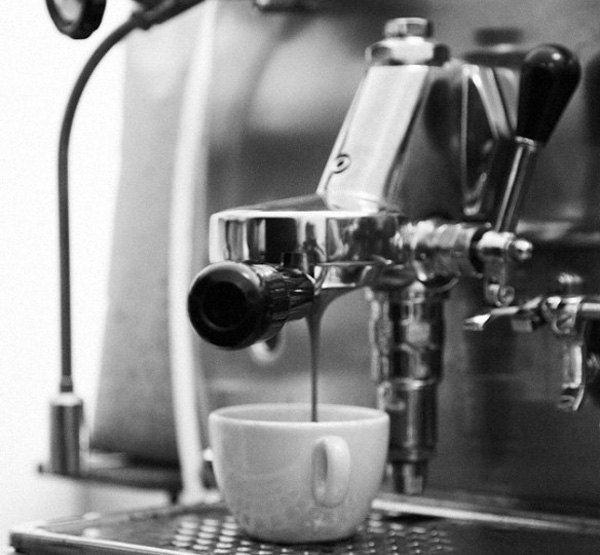
How much pressure is needed to make espresso?
Espresso requires around 9 bars of pressure to properly extract the coffee. This high pressure forces hot water through the finely ground coffee, extracting flavors and oils efficiently and creating the signature crema. Most espresso machines are built to deliver this specific pressure for optimal brewing.
Does the boiler type affect espresso quality?
Yes. Different boiler systems — such as single-boiler, dual-boiler, and multi-boiler setups — impact how consistently and quickly an espresso machine can heat water and maintain pressure. Dual and multi-boiler systems allow for better temperature stability and the ability to brew and steam simultaneously, leading to more reliable and higher-quality espresso shots.
Why is crema important in espresso?
Crema is the golden-brown, creamy layer on top of a well-pulled espresso shot. It’s formed by emulsified coffee oils and indicates good extraction, freshness, and proper pressure. Crema contributes to the espresso’s texture, aroma, and visual appeal, making it a key marker of a well-brewed shot.
Can I make espresso without a machine?
Traditional espresso requires 9 bars of pressure, which most manual or alternative methods can’t achieve. While tools like AeroPress or moka pots can make coffee similar to espresso, they don’t replicate the same pressure or crema. For true espresso, a machine that can generate sufficient pressure is necessary.
Best FrontStreet Coffee Blends for Espresso
For brewing espresso at home or in a café, FrontStreet Coffee’s Classic Blend is a top pick — it’s designed specifically for espresso and milk drinks, producing a rich crema even with non-professional machines. If you're after strong flavor without a high price, the Black Cocoa Blend offers bold, smooth espresso with great value for business use. For a more traditional profile, the Commercial Blend is a long-time shop favorite, balancing cost and taste for everyday espresso needs. All three blends are optimized for espresso extraction and deliver a solid crema. Freshly roasted within 5 days · Orders placed before 17:00 ship the same day · Next-day delivery across most of Guangdong Province.
FrontStreet Coffee is a long-established specialty coffee roaster in Guangzhou China, selling freshly roasted beans from its own farm in Yunnan as well as dozens of carefully selected single-origin beans from around the world for both pour-over and espresso. The products deliver consistently excellent quality and great value, with shipping within 24 hours. Guangzhou's FrontStreet Coffee shop is recommended by many coffee lovers, and the beans are now available online at the Tmall 。
Important Notice :
前街咖啡 FrontStreet Coffee has moved to new addredd:
FrontStreet Coffee Address: 315,Donghua East Road,GuangZhou
Tel:020 38364473