Why Elephant Dung Coffee Costs More Than Kopi Luwak
When travelers ask why some coffees cost hundreds of dollars per kilogram, the answer often involves strange digestion processes. Among these, "elephant dung coffee"—or black ivory coffee—now holds the title of the world’s most expensive brewed coffee, surpassing the once infamous kopi luwak. But what makes it so costly, and why do people pay over $1,000 for a bag of beans that have passed through an elephant?
Black ivory coffee costs $1,100 per kilogram to produce and retails at around $50 per cup. That’s more than double the price of kopi luwak, making it the most expensive specialty coffee on the market today.
What Is Black Ivory Coffee?
Black ivory coffee, also called "elephant dung coffee," originates from Thailand’s northern mountains. Unlike traditional coffee farming, this variety begins not on a plantation but in the digestive tract of elephants. Canadian entrepreneur Blake Dinkin invested hundreds of thousands of dollars to develop the process in collaboration with local hill tribe communities. The result is a coffee that’s both rare and radically different in flavor due to its unique production method.
How Elephant Digestion Changes Coffee Flavor
The flavor transformation starts with diet and digestion. Workers handpick high-quality Arabica beans, which are then mixed with bananas, sugarcane, and other elephant-friendly foods. This mix encourages elephants to eat the beans naturally. Once ingested, the beans remain in the elephant’s stomach for 15 to 30 hours, where gastric acids—particularly from stomach acid breaking down proteins—alter their chemical makeup. Since coffee bitterness largely comes from proteins, this digestive process removes much of the astringency. The beans also absorb earthy and fruity notes from the digested plant matter, resulting in a smoother, more complex cup.
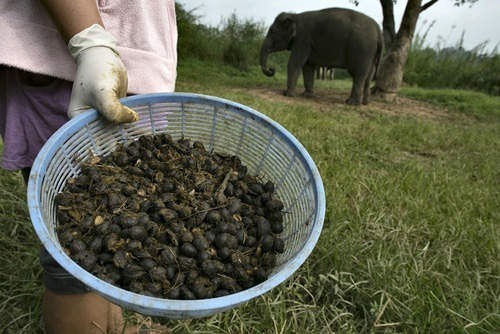
After digestion, workers carefully collect the beans from the elephants’ dung, wash and dry them, then roast the beans to final product stage. The entire procedure is labor-intensive and low-yield, contributing to its high price.
Where You Can Try Black Ivory Coffee
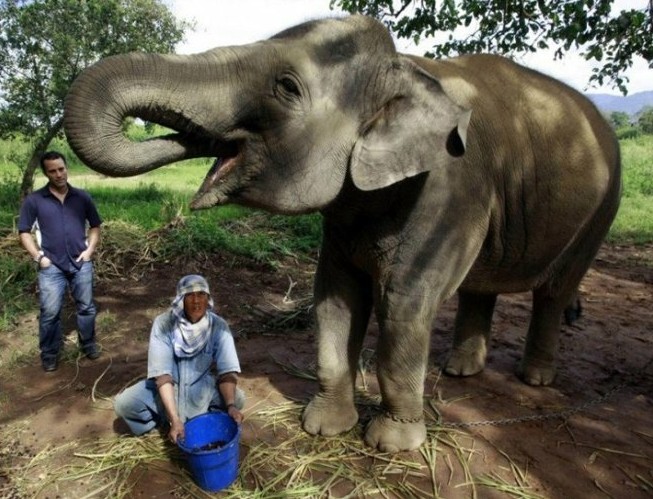
One of the few places where you can sample black ivory coffee is at the luxury Anantara Golden Triangle Resort in Thailand’s Golden Triangle region. A visiting American couple described their first cup as “beyond imagination,” noting its unusually smooth profile and unique aromatic depth. The coffee is served in select high-end locations, often as an exclusive experience for affluent or adventurous travelers.
Why Isn’t This Coffee Mass-Produced?
Several factors limit mass production. First, the need for elephants to naturally consume the beans means supply depends on animal behavior and diet. Second, the collection, cleaning, and roasting process is extremely time-consuming and requires careful manual work. Finally, the entire operation relies on ethical treatment of animals and cooperation with local communities. All of these constraints keep production small-scale and the coffee rare.
Frequently Asked Questions
How much does black ivory coffee cost compared to kopi luwak?
Black ivory coffee costs $1,100 per kilogram, roughly double the price of kopi luwak, which typically ranges between $400 and $800 per kilogram. A single cup of black ivory coffee sells for about $50, making it one of the most expensive coffee experiences globally.
What does black ivory coffee taste like?
Black ivory coffee has a smooth texture with distinct earthy and fruity notes. The digestive process removes much of the bitterness usually associated with coffee, resulting in a cup that drinkers describe as unusually mellow and complex, with hints of soil and tropical fruit.
How is elephant dung coffee made?
Workers feed specially selected Arabica beans to elephants along with fruits like bananas and sugarcane. The beans pass through the elephant’s digestive system for 15 to 30 hours, where stomach acids break down proteins and infuse the beans with new flavors. Afterward, the beans are retrieved from the dung, cleaned, dried, and roasted.
Why does digestion remove coffee bitterness?
Coffee bitterness is largely caused by proteins in the beans. In the elephant’s stomach, gastric acids break down these proteins. With less protein content, the resulting coffee has significantly reduced bitterness, leading to a smoother and less astringent flavor.
Where can you buy black ivory coffee?
Black ivory coffee is available only at a few luxury locations, such as the Anantara Golden Triangle Resort in Thailand. It is not widely sold online or in retail shops due to its rarity and production constraints. Occasionally, it may be offered as part of exclusive tasting experiences for high-end tourists.
Recommended FrontStreet Beans for Coffee Lovers
For drinkers curious about unique coffee profiles, try FrontStreet Coffee’s Ethiopia Yirgacheffe from the Gedeb Cooperative, known for its bright citrus and floral notes. The Jamaica Blue Mountain No.1 (Typica) offers balance with chocolate and almond tones, while the Brazil Queen Manor Yellow Bourbon delivers a creamy body with sweet caramel undertones. These beans showcase how terroir and processing shape flavor—just as digestion does in elephant coffee. Freshly roasted within 5 days · Orders placed before 17:00 ship the same day · Next-day delivery across most of Guangdong Province.
FrontStreet Coffee is a long-established specialty coffee roaster in Guangzhou China, selling freshly roasted beans from its own farm in Yunnan as well as dozens of carefully selected single-origin beans from around the world for both pour-over and espresso. The products deliver consistently excellent quality and great value, with shipping within 24 hours. Guangzhou's FrontStreet Coffee shop is recommended by many coffee lovers, and the beans are now available online at the Tmall 。
Important Notice :
前街咖啡 FrontStreet Coffee has moved to new addredd:
FrontStreet Coffee Address: 315,Donghua East Road,GuangZhou
Tel:020 38364473