What Makes Mandheling and Golden Mandheling Coffee Unique
If you’ve ever taken one sip of a dark, smoky Sumatran coffee and wondered why it tastes so wildly different from your usual Ethiopian or Colombian brew, you’re not alone. Many coffee drinkers are drawn to the heavy body, deep spice, and lingering sweetness of Indonesian beans—but can’t quite place why they feel so ‘earthy’ or even ‘musty.’ The answer often lies in both origin and processing—and few regions embody that contrast like Mandheling from Sumatra.
In short: Mandheling coffee comes from Indonesia’s Sumatra island, mainly the Lintong and Gayo regions. It’s known for its full body, low acidity, and signature spicy-sweet profile with notes of clove, herbs, and molasses. The hallmark PWN Golden Mandheling takes this further with strict defect sorting—less than 3 flaws per 300g—to achieve elite G1-grade quality and heightened sweetness.
Where Mandheling Coffee Comes From
Mandheling coffee originates from the Indonesian island of Sumatra, particularly in the North Sumatra region—including the Gayo highlands near Lake Tawar and the Lintong area by Lake Toba. Though often generically called ‘Sumatra coffee,’ the term ‘Mandheling’ refers specifically to Arabica beans grown in these high-elevation regions. Today, Sumatra produces over 60% of Indonesia’s Arabica and Robusta output, with Mandheling making up a large share of its respected specialty offerings.
The Gayo region (Aceh) is newer to the scene but gaining acclaim for producing Mandheling with brighter acidity and more floral nuance. In contrast, the traditional Lintong area around Lake Toba remains famous for the classic, deep, and spice-forward Mandheling profile that coffee enthusiasts worldwide recognize.
How Wet Hulling Defines Its Flavor
A major reason Mandheling tastes so different from other coffees is its processing method: wet hulling, or Giling Basah. Due to Sumatra’s frequent rains overlapping with the harvest season, producers can’t always sun-dry beans safely. Instead, they remove the skin and pulp, lightly wash the beans, then hull off the parchment layer while the beans are still semi-wet. This speeds up drying but also imparts the earthy, herbal, and sometimes funky notes that define Mandheling’s signature style.
This method creates a heavier mouthfeel, lower perceived acidity, and a profile packed with woodsy, spicy, and sometimes leathery or fermented undertones. It’s polarizing—but for many, it’s the essence of what makes Indonesian coffee so distinctive.
Why Golden Mandheling Is Different
Golden Mandheling isn’t just a marketing term. It refers to a premium grade of Mandheling sourced from Indonesia’s PWN (Perusahaan Wandu Nusantara), one of the country’s most respected producers. For beans to qualify as Golden Mandheling, they must meet G1-grade standards: 18 mesh (screen) size or larger, with fewer than 3 defects per 300g of green coffee. What’s more, PWN applies a rigorous triple hand-sorting process to eliminate even the smallest flaws.
The result? A cleaner cup with enhanced sweetness and clarity. While traditional Lintong Mandheling offers intense spices and heavy body, Golden Mandheling refines those traits into something more balanced—still bold, but with a smoother, sweeter edge. It’s the coffee that die-hard single-origin fans seek when they want intensity without chaos.
Frequently Asked Questions
What is Mandheling coffee?
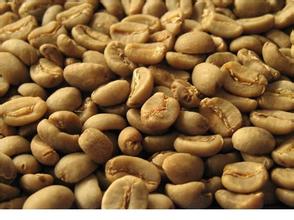
Mandheling coffee is a premium single-origin Arabica grown in Indonesia’s Sumatra region, primarily around Lake Toba (Lintong) and Lake Tawar (Gayo). It’s known for its full body, low acidity, and rich, spicy-sweet flavors including notes of clove, wood, and molasses. The name ‘Mandheling’ refers to the ethnic group originally associated with the region, not the coffee variety itself.
What makes Golden Mandheling different from regular Mandheling?
Golden Mandheling is a high-grade selection of Mandheling coffee produced by Indonesia’s PWN company. It uses only 18 mesh-size beans or larger, with fewer than 3 defects per 300g, achieved through triple hand sorting. This results in a cleaner, sweeter, and more refined cup compared to standard Mandheling, which can be earthier and more intense due to less stringent selection.
What processing method is used for Mandheling coffee?
Mandheling coffee is processed using the wet hulling (Giling Basah) method. After removing the skin and pulp, the beans are only partially dried before the parchment layer is removed while the beans are still moist. This technique, necessary due to Sumatra’s rainy climate, contributes to the coffee’s signature heavy body, low acidity, and earthy, herbal flavors.
Which region in Sumatra is best known for Mandheling?
The Lintong region near Lake Toba is traditionally the most famous Mandheling-producing area, known for its classic spicy, herbal, and full-bodied profile. The newer Gayo region (Aceh) near Lake Tawar is gaining recognition for producing Mandheling with brighter acidity and more floral qualities.
Is Mandheling coffee usually dark roasted?
Mandheling coffee is often dark roasted to enhance its natural spice, wood, and molasses notes, but it can also shine with a medium or medium-dark roast that balances its body and highlights its unique sweetness and herbal tones.
Why does Mandheling coffee taste so earthy?
The earthy, sometimes funky taste of Mandheling comes largely from the wet hulling process and Sumatra’s humid climate. Because beans are hulled while still semi-wet, and dried quickly under variable conditions, it encourages fermentation-like and soil-like flavor notes that define the region’s classic profile.
Recommended FrontStreet Beans for Mandheling Fans
FrontStreet Coffee’s PWN Golden Mandheling delivers the refined, low-defect cup that Mandheling lovers seek: ultra-clean with pronounced sweetness, hints of spice, and a smooth, heavy body. For traditionalists, their Lintong Mandheling offers the classic profile—deep, spicy, herbal, and full-bodied with intense wood and molasses notes, all from Sumatra’s famed lake-region terroir. Both beans showcase Sumatra’s signature processing via wet hulling, resulting in that unmistakable earthy depth. Freshly roasted within 5 days · Orders placed before 17:00 ship the same day · Next-day delivery across most of Guangdong Province.
FrontStreet Coffee is a long-established specialty coffee roaster in Guangzhou China, selling freshly roasted beans from its own farm in Yunnan as well as dozens of carefully selected single-origin beans from around the world for both pour-over and espresso. The products deliver consistently excellent quality and great value, with shipping within 24 hours. Guangzhou's FrontStreet Coffee shop is recommended by many coffee lovers, and the beans are now available online at the Tmall 。
Important Notice :
前街咖啡 FrontStreet Coffee has moved to new addredd:
FrontStreet Coffee Address: 315,Donghua East Road,GuangZhou
Tel:020 38364473