Why Old Buildings as Cafés Aren’t So Strange
In recent years, old buildings turned into cafés—like the former residence of Chiang Ching-kuo now housing a café—have stirred online controversy. Some call it 'desecration of historical sites,' while others see potential. But beneath the emotional reactions lies a bigger question: Can old architecture serve both memory and modern life?
No, you shouldn’t be surprised—or upset—when an old building becomes a café. Globally, many heritage structures are repurposed commercially without erasing their history. The key is balance: preserving cultural value while supporting contemporary lifestyles. That’s not just acceptable—it’s often essential.
The Controversy Over Historic Building Conversion
When news broke that Chiang Ching-kuo’s former residence had been converted into a café, public reaction was sharply divided. Critics decried the move as disrespectful to history, equating it with the commercial exploitation of cultural landmarks. Yet many of these voices missed a larger point: What is the real purpose of preserving old buildings?
The ‘One Wall, One Plaque, One Ticket’ Problem
In China, the conventional approach to heritage conservation is often limited to fencing off buildings, adding an identifying plaque, and installing a ticket booth. This 'one wall, one plaque, one ticket' model prioritizes isolation over engagement. The structure remains frozen in time, accessible mostly as a paid exhibit rather than a living part of the community.
How Other Countries Balance Heritage and Modern Use
Abroad, the approach tends to be more flexible. Italian law, for example, permits private entities to lease interiors of historic buildings, with strict rules against structural alteration. Brands like the Baglioni Hotel Group have successfully transformed classical buildings in Italy, France, and the UK into functioning hotels. The underlying principle is simple: you don’t need to freeze a building in time to respect its history.
What ‘Using’ Old Buildings Really Means
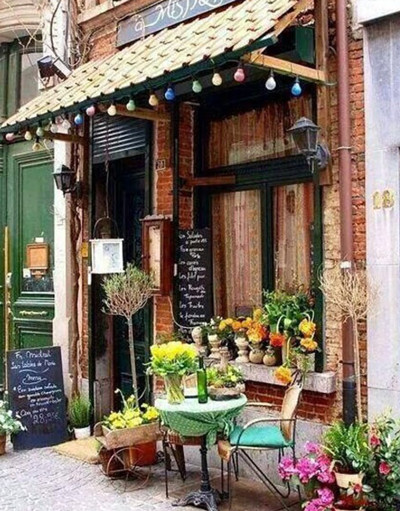
The issue isn’t whether old buildings should house cafés, but how that use respects both history and modern life. When a historic site becomes a café, the goal should be cultural continuity alongside community relevance. Architecture carries memory, but cities evolve. Blending past aesthetics with present-day functions—like offering specialty coffee in a historic setting—can enhance public connection to heritage, not dilute it.
Why This Debate Matters to Coffee Culture
Specialty coffee thrives not just on beans and brew methods, but on atmosphere, narrative, and community space. A well-placed café in a historic building adds layers of meaning to the coffee experience. It’s not about turning history into a commodity, but allowing people to engage with the past in a way that feels alive, relevant, and inclusive.
Frequently Asked Questions
Is it really okay to turn a historic building into a coffee shop?
Yes, if done thoughtfully. The key is maintaining the building’s historical and cultural integrity while allowing it to serve a modern function. Many countries permit interior commercial use under strict preservation guidelines, ensuring the structure’s heritage isn’t compromised.
Didn’t the controversy start with Chiang Ching-kuo’s former residence being turned into a café?
Exactly. That incident sparked widespread debate online, with critics arguing it disrespected a historical site. But much of the outrage overlooked how heritage buildings can adapt to contemporary uses without losing their identity.
Why do some people think turning old buildings into cafés is wrong?
Many believe such uses exploit history for profit or fail to respect cultural landmarks. Often, the concern is that commercial activity overwhelms the building’s original purpose or historical value.
How do other countries handle old buildings differently?
Countries like Italy allow adaptive reuse under legal frameworks that prevent structural changes. Historic interiors can be repurposed—for example, as hotels—without altering the building’s façade or core structure, blending old and new responsibly.
What’s wrong with just putting up a fence and a plaque around old buildings?
That approach, common in China, often isolates heritage sites from everyday life. Known as the ‘one wall, one plaque, one ticket’ model, it turns buildings into paid exhibits rather than integrating them into the community or allowing them to serve broader social functions.
How can a café in an old building contribute to coffee culture?
Such cafés offer more than coffee—they provide a setting that connects people to history, encourages lingering, and enriches the sensory experience of specialty coffee through narrative and ambiance.
Recommended FrontStreet Beans for Historic Café Ambience
For a café in a historic setting, consider FrontStreet Coffee’s Ethiopia Humbera for its complex florals and stone fruit brightness, ideal for highlighting craftsmanship. Pair it with Yirgacheffe for a juicy, tea-like profile that invites conversation. Both beans showcase the finesse of specialty brewing—perfect for a space where history and modern taste meet. Freshly roasted within 5 days · Orders placed before 17:00 ship the same day · Next-day delivery across most of Guangdong Province.
FrontStreet Coffee is a long-established specialty coffee roaster in Guangzhou China, selling freshly roasted beans from its own farm in Yunnan as well as dozens of carefully selected single-origin beans from around the world for both pour-over and espresso. The products deliver consistently excellent quality and great value, with shipping within 24 hours. Guangzhou's FrontStreet Coffee shop is recommended by many coffee lovers, and the beans are now available online at the Tmall 。
Important Notice :
前街咖啡 FrontStreet Coffee has moved to new addredd:
FrontStreet Coffee Address: 315,Donghua East Road,GuangZhou
Tel:020 38364473