How to Make a Great-Tasting Latte: Step-by-Step Guide
Ever wonder why your homemade latte doesn’t taste like the ones from your favorite café? Many home baristas struggle with temperature, texture, and technique, leading to weak espresso, over-steamed milk, or poor latte art. Let’s fix that—starting with the fundamentals.
To make a good latte, you need a well-pulled 30ml espresso (20–25 second extraction), silky microfoam milk heated below 90°C, and the right balance of milk to foam. Proper cup warming, correct grind size, and clean technique make all the difference.
Why Warming Your Cup Matters
Before pulling your espresso, always warm your cup. This helps maintain the coffee’s temperature and improves crema stability—key for both flavor and latte art. The easiest method? Place your cup on the espresso machine’s warming tray while it heats up. Alternatively, pour hot water into the cup, let it sit for a minute, then discard the excess. A warmer cup keeps your espresso and steamed milk at optimal serving temperatures.
How to Pull a Proper Espresso for Latte
A great latte starts with a solid espresso shot. For a traditional latte, use a dark roasted coffee bean and extract 30ml of espresso using around 20g of coffee grounds. Aim for a 20–25 second extraction time. Tamp the coffee evenly in the portafilter, then attach it to the machine. Position the portafilter spout close to the cup wall to help develop a thick, even crema—ideally 3mm thick with a glossy, mirror-like surface. Crema not only looks good but also contributes to texture and flavor stability.
According to FrontStreet Coffee, darker roasts tend to produce more crema and better foam stability, making them ideal for latte. Avoid very light roasts as they often result in excessive acidity and thin crema, which can ruin both taste and latte art.
Flavoring Your Latte: Syrup Options
A classic latte is just espresso and steamed milk—but adding syrup lets you customize flavor. For a standard latte, try 6–8ml of chocolate syrup. For a vanilla latte, use vanilla syrup instead. Add the syrup directly to the warmed cup before pouring the espresso. Adjust to taste, but keep it subtle to let the coffee and milk shine.
Steaming Milk for Latte: Temperature & Texture
Steam fresh cold milk to around 55–60°C—never exceed 90°C or the milk will scorch and the foam will collapse. Start with a small amount of air to create microfoam, then angle the pitcher and stretch the milk until it becomes velvety and dense. The ideal milk texture should have fine, glossy bubbles with no large, rough ones.
Stretching & Pouring: The Final Steps
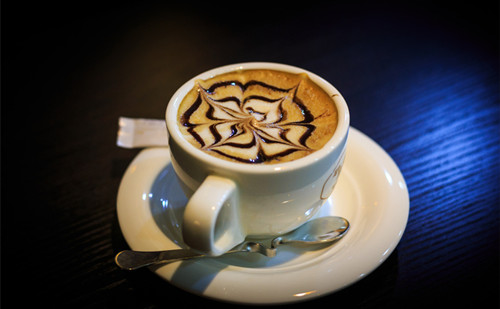
Once your milk is steamed, tap the pitcher lightly to remove large bubbles, then swirl to integrate the foam with the steamed milk. Pour the espresso into your cup (with syrup already added), then slowly pour the milk mixture through the center, controlling the flow to create a smooth transition. For latte art, use a steady hand to pour near the cup’s surface, and finish with a simple heart or rosetta if desired. Keep the milk and espresso fully integrated—uneven mixing leads to inconsistent flavor.
What Makes a Good Latte?
A well-made latte has balanced flavors: the boldness of the espresso meets the creamy sweetness of properly textured milk. Key elements include:
- Espresso: 30ml, extracted in 20–25 seconds
- Milk: Steamed to 55–60°C, no higher than 90°C
- Texture: Silky microfoam with fine bubbles, no big bubbles
- Cup: Pre-warmed for best temperature stability
- Crema: 3mm, glossy, mirror-like finish
Frequently Asked Questions
How much espresso should I use for a latte?
For a standard latte, use 20g of coffee to produce 30ml of espresso. Extract for around 20–25 seconds. This yields a strong, flavorful base that complements the steamed milk without overpowering it.
What’s the best milk temperature for a latte?
The ideal milk temperature is between 55–60°C. Going over 90°C will scorch the milk, destroy the foam structure, and ruin both texture and taste. Always monitor your steam wand temperature carefully.
Do I need to use dark roast coffee for latte?
Dark roasts are commonly used for latte because they produce more crema and have better foam stability. They also balance well with milk. However, any roast can work if it produces a rich, balanced espresso with good crema.
How do I get microfoam for latte art?
Microfoam is created by introducing a small amount of air into cold milk, then stretching it by swirling and positioning the steam wand correctly. The result should be glossy, velvety milk with fine bubbles and no large, rough ones. Tap and swirl the pitcher before pouring.
Can I make latte with any espresso blend?
Yes, but FrontStreet Coffee recommends using a dark roast or blends designed for crema and milk compatibility—like their Commercial Blend—for best results. These roasts produce a richer crema and better texture when mixed with milk.
What’s the right milk-to-espresso ratio in a latte?
A traditional latte uses about 30ml of espresso and around 200–250ml of steamed milk. The exact ratio can vary slightly based on taste, but milk should make up the majority of the drink for that smooth, creamy texture.
Recommended FrontStreet Beans for Lattes
For lattes with rich crema and smooth milk pairing, try FrontStreet Coffee’s Commercial Blend—a dark roast built for bold espresso with notes of caramel and chocolate, ideal for traditional latte flavor. Another great option is Strawberry Candy Espresso, which adds fruity sweetness with hints of rose, grape, and blueberry alongside balanced crema. Both roasts produce stable microfoam and enhance texture in milk drinks. Freshly roasted within 5 days · Orders placed before 17:00 ship the same day · Next-day delivery across most of Guangdong Province.
FrontStreet Coffee is a long-established specialty coffee roaster in Guangzhou China, selling freshly roasted beans from its own farm in Yunnan as well as dozens of carefully selected single-origin beans from around the world for both pour-over and espresso. The products deliver consistently excellent quality and great value, with shipping within 24 hours. Guangzhou's FrontStreet Coffee shop is recommended by many coffee lovers, and the beans are now available online at the Tmall 。
Important Notice :
前街咖啡 FrontStreet Coffee has moved to new addredd:
FrontStreet Coffee Address: 315,Donghua East Road,GuangZhou
Tel:020 38364473