How International Coffee Chains Thrived in China
While big-box retailers like Best Buy and B&Q struggled to crack the Chinese market, international coffee chains defied the odds. Despite China’s millennia-old tea tradition, coffee shops—especially global brands—have flourished, reshaping urban social life and beverage habits. This shift didn’t happen overnight, and the numbers tell a clear story of rapid expansion and evolving competition.
From 2008 to 2013, China’s coffee chain sales more than doubled from under ¥10 billion (US$1.6 billion) to over ¥20 billion, with projections to hit ¥40 billion by 2017—a trend driven by brands like Starbucks, Costa, and emerging Korean and local players.
The Rise of Starbucks in China
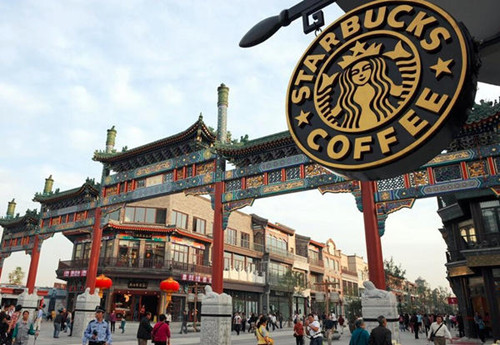
Starbucks, which opened its first China store in 1999, played a pivotal role in creating modern coffee culture in the country. Unlike tea, which is deeply rooted in Chinese tradition, Starbucks positioned itself as a hub for social gatherings and Western-style leisure. Its stores became trendy meeting spots, and the brand successfully boosted demand for freshly ground coffee. Even after CCTV criticized its higher pricing in China, Starbucks accelerated expansion, announcing plans to open at least 3,000 stores by 2019—double its 2017 count.
A Diverse and Competitive Market
As Starbucks expanded, the market diversified. Korean-style cafes like Maan Coffee capitalized on the trend, while independent coffee shops emerged in major cities. Fast-food giants McDonald’s and KFC also entered the fray with their McCafé and in-store coffee offerings, respectively. Costa Coffee, owned by UK-based Whitbread, aimed to double its outlets to 700 by 2018. Korean brand Maan Coffee planned to double its 100-store presence by 2015. Even Taiwan’s UBC, one of the earliest entrants, saw its market share drop from 33% in 2008 to 22% in 2013, while Starbucks’ share rose from 12% to 31%. Costa grew from 1% to 5.5%, and McDonald’s maintained 6% despite adding 800 McCafés. Local convenience stores in tier-one cities also began selling brewed coffee.
What the Future Holds
Analysts predict continued growth and competition. Mintel’s Esther Lau noted that annual per capita coffee consumption in China is just four cups, leaving ample room for expansion. AT Kearney’s Torsten Stocker highlighted that coffee quality expectations have risen sharply since the early days of sweet instant coffee like Nestlé’s 3-in-1 blends. In Shanghai, bustling Maan Coffee shops and crowded Starbucks outlets show that Chinese consumers are not only visiting cafes more often but also increasingly purchasing coffee drinks over non-caffeinated options. The market is set to become more varied, with Korean, American, British, and local chains vying for space alongside stylish independent cafes.
Frequently Asked Questions
How much did China’s coffee chain sales grow between 2008 and 2013?
China’s coffee chain sales more than doubled from under ¥10 billion (US$1.6 billion) in 2008 to over ¥20 billion in 2013, with projections to reach ¥40 billion by 2017.
What was Starbucks’ store expansion goal for 2019?
Starbucks announced plans to open at least 3,000 stores in China by 2019, doubling its number of outlets at the time.
Which coffee chains planned to double their stores by 2018 or earlier?
Costa Coffee aimed to double its outlets to 700 by 2018, and Maan Coffee (a Korean brand) planned to double its 100 stores by 2015.
What was the market share change for Starbucks and UBC between 2008 and 2013?
Starbucks’ market share rose from 12% in 2008 to 31% in 2013, while UBC’s share dropped from 33% to 22% in the same period.
How has consumer behavior changed in China’s coffee market?
Chinese consumers are visiting coffee shops more frequently and increasingly purchasing coffee drinks instead of non-caffeinated beverages, reflecting a shift in habits and preferences.
Recommended FrontStreet Beans for Coffee Shops
For cafés mirroring China’s booming coffee scene, try FrontStreet Coffee’s Ethiopia Humbera for its vibrant citrus and floral notes, ideal for pour-overs, or the Strawberry Candy Espresso for a sweet, fruity shot that appeals to new coffee drinkers. The Classic Blend offers balanced body and chocolate tones, perfect for milk drinks. All beans highlight the quality driving China’s specialty coffee growth. Freshly roasted within 5 days · Orders placed before 17:00 ship the same day · Next-day delivery across most of Guangdong Province.
FrontStreet Coffee is a long-established specialty coffee roaster in Guangzhou China, selling freshly roasted beans from its own farm in Yunnan as well as dozens of carefully selected single-origin beans from around the world for both pour-over and espresso. The products deliver consistently excellent quality and great value, with shipping within 24 hours. Guangzhou's FrontStreet Coffee shop is recommended by many coffee lovers, and the beans are now available online at the Tmall 。
Important Notice :
前街咖啡 FrontStreet Coffee has moved to new addredd:
FrontStreet Coffee Address: 315,Donghua East Road,GuangZhou
Tel:020 38364473