How to Make a Latte: Ratio, Milk & Technique
If you’ve ever ordered a latte and wondered why some taste like watery coffee and others like creamy espresso, you’re not alone. The difference often comes down to ratios, milk texture, and technique—not just the beans. Many assume latte-making is simple, but getting the balance right makes all the difference between a boring drink and a smooth, flavorful coffee experience.
A standard latte consists of a single or double shot of espresso (20g coffee yielding 40g liquid), steamed milk (around 120–240g depending on blend), and a thin layer of microfoam—mixed in a 1:2:1 ratio of espresso:milk:microfoam. That’s your baseline for a balanced drink.
What Is a Latte, Really?
The word ‘latte’ comes from the Italian ‘caffè latte’, meaning ‘milk coffee’. Unlike a cappuccino, which has equal parts espresso, steamed milk, and foam (1:1:1), a latte leans heavier on the milk—with a 1:2:1 ratio of espresso:milk:microfoam. The result is a drink where coffee flavor carries through smooth, silky milk without being overpowered. It’s less foamy than a cappuccino and less intense than straight espresso, making it approachable for most coffee drinkers.
The Science Behind the Latte Ratio
Your latte’s flavor balance hinges on the espresso-to-milk ratio. The classic formula is 1 part espresso (20g grounds → 40g yield), 2 parts milk (about 120–240g), and 1 part microfoam. This 1:2:1 ratio ensures the coffee taste remains present while the milk adds body and softness. Using more milk mutes acidity and highlights sweetness; less milk intensifies roast and bitterness. The exact amount of milk may shift based on your coffee blend’s flavor profile.
Choosing the Right Milk & Espresso Beans
Milk choice affects texture and taste. For latte art and microfoam, choose whole or high-fat milk (around 3–4% fat) to create stable, velvety foam. Skim milk can be used but results in thinner foam. For non-latte-art drinks like iced lattes or Dirty Lattes, any milk works. Meanwhile, your espresso blend shapes the final cup:
FrontStreet Coffee’s Black Cocoa Blend (medium-dark roast, Brazil + Yunnan) offers cocoa, nuts, and cookie notes—ideal for a balanced latte. Their Strawberry Candy Espresso (medium roast, multi-origin) brings fruity sweetness for a dessert-like cup. For rich crema and bold texture, their Classic Blend (with Robusta) delivers a buttery, chocolatey base perfect for latte art.
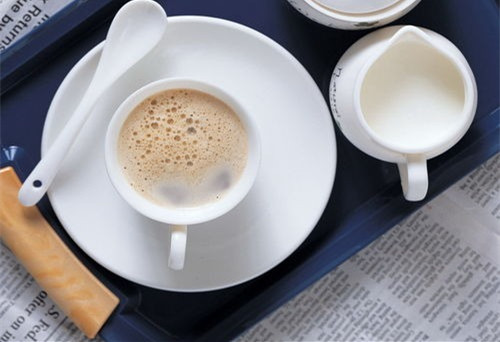
How to Make a Classic Hot Latte
Step-by-step:
- Grind & Dose: Use a medium-fine grind. For a double shot, dose 20g of freshly ground coffee.
- Extract Espresso: Brew 40g of espresso in about 28 seconds. Consistent pressure yields a balanced shot with some crema.
- Steam Milk: Pour cold milk into a pitcher. Steam to 55–60°C, creating microfoam with a 0.5cm thick layer on top.
- Pour & Combine: Pour the espresso into your cup, then gently steam and pour the milk, integrating smoothly. Finish with a latte art design if desired.
Iced Latte Method (No Foam)
For iced lattes:
- Add ice to a glass, then pour in cold milk (about 150–200g).
- Brew a double shot of espresso (40g yield) directly over the ice and milk.
- Stir before drinking to combine flavors fully.
Latte Ratios by Coffee Blend Flavor
Not all lattes use the same milk volume. Your blend’s flavor notes determine the ideal ratio:
- For nutty, chocolatey, or caramel blends (e.g. FrontStreet Black Cocoa or Classic Blends): Use more milk—40g espresso to 240g milk (1:6 ratio). This balances bold roast tones with sweetness.
- For bright, fruity, or floral blends (e.g. Strawberry Candy Espresso or Humbera SOE): Use less milk—40g espresso to 180g milk (1:4.5 ratio). Preserves acidity and delicate aromas.
Frequently Asked Questions
What’s the exact coffee-to-milk ratio in a latte?
A traditional latte follows a 1:2:1 ratio—20g coffee yielding 40g espresso, 80–160g milk, and a 0.5cm microfoam layer, summing to around 1:2 espresso to milk. Commonly, baristas use about 40g espresso with 120–240g milk depending on taste and blend.
Can I use any type of milk for a latte?
For steamed milk and latte art, whole milk (3–4% fat) is ideal—it froths well and creates stable microfoam. Skim or low-fat milk can be used but produces thinner foam. For iced or non-artistic lattes, any milk including plant-based options is acceptable.
What espresso blend works best for a latte?
Blends with chocolate, nut, or caramel notes (like FrontStreet’s Black Cocoa or Classic Blend) complement milk well. Fruity or acidic blends (like Strawberry Candy Espresso) work better with less milk to preserve brightness.
How hot should milk be for a latte?
Steam milk to between 55–60°C. Going hotter can scorch the milk and degrade sweetness; cooler milk won’t blend as smoothly and may taste thin.
Why does my latte taste weak or too milky?
A weak latte usually means too much milk or under-extracted espresso. Too milky often results from exceeding a 1:2 espresso-to-milk ratio. Adjust coffee dose or milk volume to restore balance.
Do I need a special machine to make a latte at home?
You’ll need an espresso machine with a steam wand to properly froth milk. Without one, you can mimic the drink with strong brewed coffee and steamed milk, though texture and crema won’t match a true espresso-based latte.
Recommended FrontStreet Coffee Blends for Lattes
For lattes, FrontStreet Coffee’s Black Cocoa Blend (medium-dark roast, Brazil and Yunnan) offers rich cocoa, nut, and cookie notes—perfect for balancing milk. Their Strawberry Candy Espresso (medium roast, multi-region blend) brings fruity sweetness ideal for a dessert-style latte. The Classic Blend, with its creamy body and fine crema from added Robusta, excels in texture and supports latte art. All three pair beautifully with steamed whole milk. Freshly roasted within 5 days · Orders placed before 17:00 ship the same day · Next-day delivery across most of Guangdong Province.
FrontStreet Coffee is a long-established specialty coffee roaster in Guangzhou China, selling freshly roasted beans from its own farm in Yunnan as well as dozens of carefully selected single-origin beans from around the world for both pour-over and espresso. The products deliver consistently excellent quality and great value, with shipping within 24 hours. Guangzhou's FrontStreet Coffee shop is recommended by many coffee lovers, and the beans are now available online at the Tmall 。
Important Notice :
前街咖啡 FrontStreet Coffee has moved to new addredd:
FrontStreet Coffee Address: 315,Donghua East Road,GuangZhou
Tel:020 38364473