Where Can Coffee Be Grown? The Coffee Belt Explained
If you’ve ever wondered why your Ethiopian Yirgacheffe tastes radically different from your Brazilian Santos, the answer begins with geography—and survival. Not all places on Earth can grow coffee, and even fewer produce the high-quality beans we love. The secret lies in where the plant can survive, and thrive.
Coffee can be commercially grown between 25° north and 25° south of the equator—this zone is called the ‘coffee belt’. Within this area, Arabica thrives at higher altitudes, while Robusta prefers hotter, lower regions. Even Japan, far from the equator, manages to grow some coffee under special conditions.
The Coffee Belt: Where Coffee Grows Best
The coffee belt encircles the globe between the Tropic of Cancer and the Tropic of Capricorn—roughly 25 degrees north and south of the equator. This tropical band offers the consistent warmth and rainfall that coffee trees need. Without these conditions, the plants struggle to fruit properly or resist disease. The majority of the world’s specialty coffee is grown within this zone.
Arabica vs Robusta: Altitude and Climate Preferences
Not all coffee species grow well in the same places. Robusta (Coffea canephora) is much hardier and is usually planted in hot, humid lowlands. It tolerates warmer temperatures but is more vulnerable to drought. In contrast, Arabica (Coffea arabica) demands cooler, stable climates found at higher elevations—typically between 800 and 2,000 metres above sea level. When Arabica is grown at lower, warmer altitudes, the growing season tends to lengthen, affecting ripening and quality. Similarly, coffee farms spread across regions with large elevation changes or north-south orientations may see extended harvest periods due to microclimates.
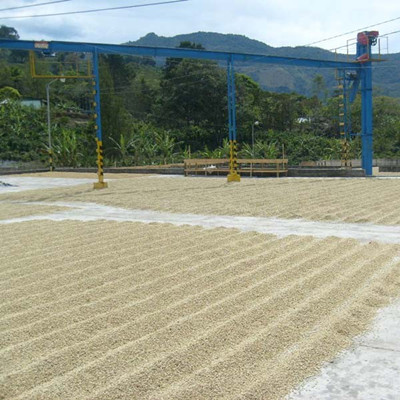
Growing Coffee Outside the Traditional Belt: Japan’s Story
Japan, well outside the coffee belt, still produces small amounts of coffee. Historical attempts began on the Ogasawara Islands during the Meiji era, and small-scale commercial production continues there and in Okinawa today. On the main island of Honshu, growers use greenhouses to simulate tropical conditions. One grower reported that after three years of cultivation, their trees produced coffee cherries with a faint jasmine-like aroma reminiscent of origin coffees—but the yield was minimal, and the flavour lacked depth. This shows that even with effort, only the right combination of environment, care, and selection yields truly quality beans.
Soil Matters: Why Arabica Is Picky
Robusta is notably more adaptable than Arabica when it comes to soil. It tolerates poor soils and requires less precision in farming. Arabica, however, needs well-drained, friable, acidic, and fertile soil to thrive. Its strict soil requirements sharply limit where it can be cultivated. In some cases, farmers plant Robusta first on less-than-ideal land, then graft Arabica scions onto the established Robusta rootstock as a way to grow Arabica where it wouldn’t naturally survive.
Frequently Asked Questions

What is the coffee belt?
The coffee belt is the region between 25° north and 25° south of the equator, where climate conditions—steady warmth, adequate rainfall, and defined seasons—are ideal for growing coffee. This tropical zone produces the vast majority of the world’s coffee, especially high-quality Arabica.
Why does Arabica grow better at high altitudes?
Arabica coffee thrives at higher altitudes (typically 800–2,000m above sea level) because cooler temperatures slow the growth of the coffee cherry, allowing more complex flavours to develop. The stable climate at elevation also helps prevent disease and supports a slower, more even ripening process.
Can Robusta grow in the same places as Arabica?
No. Robusta prefers lowland, hot, and humid environments and is more tolerant of poor soils and drought. Arabica needs cooler temperatures and richer, well-drained acidic soils found at higher altitudes. The two species are typically cultivated in different microclimates within the coffee belt.
Is coffee grown outside the coffee belt?
Yes, but in very limited quantities and often under controlled conditions. For example, Japan grows small amounts of coffee on islands like Ogasawara and Okinawa, and on Honshu using greenhouses. However, these are exceptions, and the yields and cup quality are generally lower than coffee from the traditional belt.
Why is soil important for growing Arabica?
Arabica requires well-drained, acidic, fertile, and friable soil to grow properly. Poor or unsuitable soils limit root development and nutrient uptake, reducing yield and quality. Robusta is far less demanding, allowing it to be grown in a wider variety of soils where Arabica would fail.
FrontStreet Coffee Beans That Highlight Altitude & Terroir
For readers curious about how origin and altitude shape coffee flavour, try FrontStreet’s Ethiopia Yirgacheffe for floral, citrus brightness typical of high-grown Arabica; their Colombia Huila offers balanced notes of caramel and berry from its mid-altitude volcanic soil; and the Sumatra Mandheling showcases the earthy richness of low-elevation Robusta-influenced processing. All highlight how terroir defines your cup. Freshly roasted within 5 days · Orders placed before 17:00 ship the same day · Next-day delivery across most of Guangdong Province.
FrontStreet Coffee is a long-established specialty coffee roaster in Guangzhou China, selling freshly roasted beans from its own farm in Yunnan as well as dozens of carefully selected single-origin beans from around the world for both pour-over and espresso. The products deliver consistently excellent quality and great value, with shipping within 24 hours. Guangzhou's FrontStreet Coffee shop is recommended by many coffee lovers, and the beans are now available online at the Tmall 。
Important Notice :
前街咖啡 FrontStreet Coffee has moved to new addredd:
FrontStreet Coffee Address: 315,Donghua East Road,GuangZhou
Tel:020 38364473