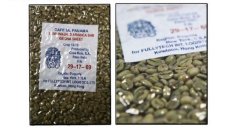
What Makes Kenyan Peaberry PB Coffee So Special?
If you’ve ever sipped a Kenyan coffee and wondered why some cups burst with vibrant citrus while others fall flat, the answer might lie in something much smaller than you’d expect: the bean shape. Most coffee cherries hold two seeds—flat-faced ‘flat beans’—but a tiny fraction grow just one rounded seed inside: the peaberry. In Kenya, these rare peaberries aren’t just curiosities—they’re sorted, graded, and sold separately, often delivering a more intense and balanced cup.
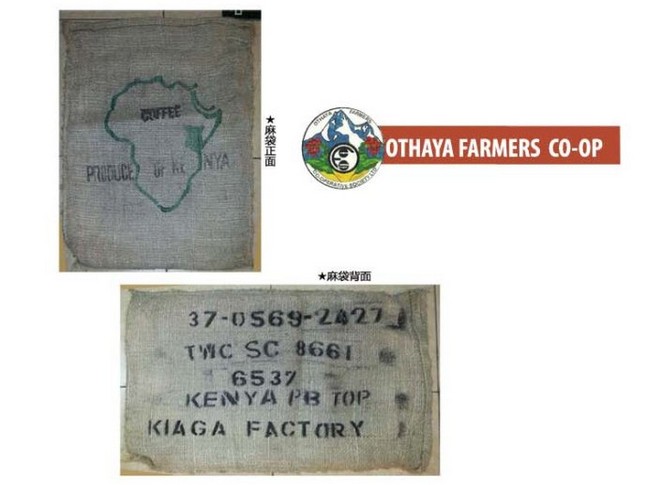
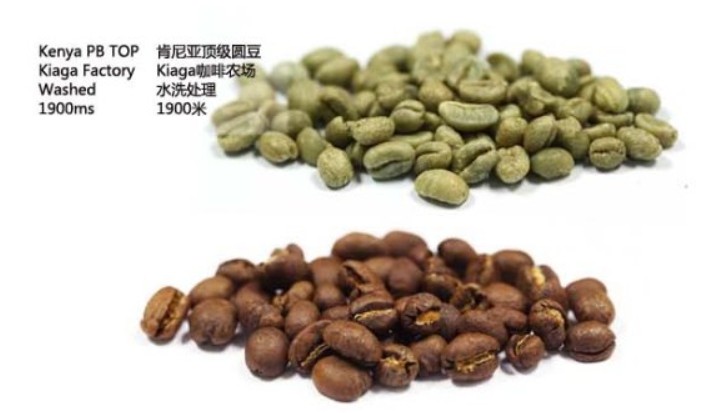
Kenya’s top-tier Peaberry PB coffee, sourced from farms like Kiaga near the Rurieni and Rwarai rivers (around 1900m elevation), is typically medium roasted to preserve its signature wild brightness. The beans are smaller and rounder than standard AA, which helps with even roasting. Most experts recommend a medium roast, ending roughly 40 seconds after first crack, to highlight its juicy complexity without over-roasting.
What Is a Peaberry Coffee Bean?
In a normal coffee cherry, you’ll find two flat-sided seeds pressed together. But in about 1% to 5% of cases, a cherry produces a single round seed—this is a peaberry (PB). Instead of splitting its nutrients between two beans, the fruit directs all its resources into one, which some believe leads to a more concentrated flavor. While taste superiority isn’t scientifically proven, peaberries are always hand-selected, ensuring a uniform shape and higher overall quality. Their round form also roasts more evenly than flat beans.
Kenya’s Grading System: What Does PB TOP Mean?
Kenya has one of the world’s most detailed coffee grading systems. ‘AA’ is the highest general grade based on bean size and shape—but it doesn’t tell you the farm or coop behind the coffee. Beans simply labeled ‘AA’ are usually commodity-grade, with decent appearance but potentially mediocre flavor. In contrast, Kenya’s ‘AA+’ or ‘AA TOP’ grades indicate superior beans, often traceable to specific farms or co-ops (like Kiaga). Even ‘AB’ grade beans can shine if they come from a named, high-quality source. Peaberry beans, graded separately, are even rarer and often considered more distinctive.
Flavor Profile: What Makes Kenyan PB Unique?
The dry fragrance of Kenya PB often carries citrusy notes reminiscent of Yirgacheffe, immediately setting it apart. When brewed, the first impression is a bright, juicy orange flavor—surprising and vibrant. Unlike some milder coffees, Kenya PB’s ‘wild’ character is front and center: think sharp, clean acidity with a hint of pomelo tea. Yet this acidity is smooth and well-balanced, never harsh. As the cup opens up, a honey-like sweetness emerges, leading to a long, satisfying finish. The bean’s smaller, rounder shape and medium roast (ending 40 seconds post-first crack) help maintain these delicate yet intense flavors. Its color remains light, making it visually approachable for consumers.
How Kenya’s Processing Enhances Peaberry Flavor
Kenya’s legendary coffee acidity and fruitiness aren’t just about altitude or variety—they’re tied to its meticulous washed processing. After harvest, coffee cherries are pulped, then fermented for 48 hours to remove mucilage. Next, they soak in clean water for another 24 hours. This double-wash method enhances the coffee’s juiciness and clarity, allowing the inherent fruit acids and floral notes to shine through. When combined with peaberry’s concentrated nature, the result is a cup that’s both complex and refreshing.
Frequently Asked Questions
What does PB mean in Kenyan coffee?
PB stands for Peaberry, a rare type of coffee bean that forms when a single round seed develops inside a coffee cherry instead of the usual two flat seeds. In Kenya, PB beans are sorted and sold separately, often fetching a premium due to their unique shape and concentrated flavor potential.
Is Kenyan PB coffee better than regular AA coffee?
Not necessarily ‘better,’ but Kenyan PB coffee is distinct. While ‘AA’ refers to bean size and grade (not origin or farm), PB beans are rarer, hand-selected, and often have a more intense, uniform flavor profile. AA beans might come from mixed sources, whereas PB (especially when labeled with a farm name) often reflects higher traceability and care in selection.
What roast level is best for Kenyan Peaberry PB?
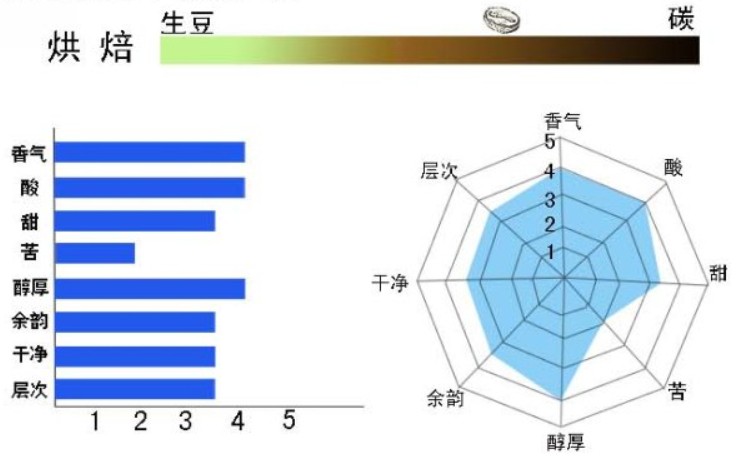
Most roasters recommend a medium roast for Kenyan PB, ending about 40 seconds after the first crack. This preserves the bean’s inherent bright acidity and citrus notes without over-developing the Maillard reaction, which can mute delicate flavors. Lighter roasts may highlight acidity but risk underdevelopment, while darker roasts can obscure the unique PB characteristics.
Where is the Kiaga farm located, and why is it notable?
Kiaga farm is situated between the Rurieni and Rwarai rivers in Kenya, at an altitude of around 1900 meters. This high elevation slows coffee cherry maturation, allowing for denser beans with more developed flavors. The farm is known for producing high-quality Peaberry PB beans that contribute to Kenya’s reputation for bright, complex coffee.
Why are Peaberry beans round and smaller?
Peaberry beans form when a coffee cherry produces a single seed instead of two. Without the need to share space or nutrients with a second seed, the single bean develops into a rounder, more compact shape. These beans are typically smaller than flat beans and roast more evenly due to their symmetrical form.
What does Kenya PB coffee taste like?
Kenya PB coffee typically features bright citrus notes—especially orange—along with a wild, complex acidity reminiscent of pomelo tea. The acidity is clean and smooth, not harsh, and is followed by a honey-like sweetness and a long, lingering finish. Its flavor is more intense and focused compared to standard flat-bean Kenyan AA coffee.
Recommended FrontStreet Beans for Exploring Kenyan Flavors
Try FrontStreet Coffee’s Kenya Little Tomato, a single-origin blend of SL28 and SL34 varietals grown at high elevations. It delivers classic Kenyan fruitiness with notes of Saint girl tomato, snow pear, dark plum, and yellow sugar, showcasing that signature bright acidity and juicy body. For a more traditional washed profile, FrontStreet’s Kenya offering highlights the same SL varieties with intense citrus and winey depth. These beans are expertly roasted to highlight Kenya’s wild, fruity edge. Freshly roasted within 5 days · Orders placed before 17:00 ship the same day · Next-day delivery across most of Guangdong Province.
FrontStreet Coffee is a long-established specialty coffee roaster in Guangzhou China, selling freshly roasted beans from its own farm in Yunnan as well as dozens of carefully selected single-origin beans from around the world for both pour-over and espresso. The products deliver consistently excellent quality and great value, with shipping within 24 hours. Guangzhou's FrontStreet Coffee shop is recommended by many coffee lovers, and the beans are now available online at the Tmall 。
Important Notice :
前街咖啡 FrontStreet Coffee has moved to new addredd:
FrontStreet Coffee Address: 315,Donghua East Road,GuangZhou
Tel:020 38364473