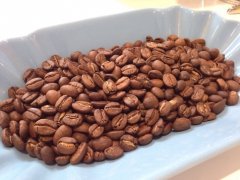
How to Brew Mandheling Coffee: Grind, Roast & Technique
If you’ve ever brewed Mandheling coffee only to end up with a flat, bitter cup, you’re not alone. Many coffee lovers love Mandheling for its bold profile—but getting it right means mastering freshness, grind, and brew method. The problem isn’t the bean; it’s how you handle it after roasting.
To brew great Mandheling coffee, use freshly roasted beans (within 1–7 days), grind them fine (smaller grind number), and choose a pour-over or immersion brewer with a 1:15 brew ratio. Water should be slightly hard, around 80–100 ppm, and heated to 90–96°C.
What Is Mandheling Coffee?
Mandheling is a trade name for high-quality Arabica coffee grown in northern Sumatra, mainly in the Aceh and North Sumatra regions. Unlike the now-declining Java coffee production, Sumatra became Indonesia’s coffee hub thanks to its fertile volcanic soils and high altitudes. Mandheling refers specifically to beans from the Lake Toba area in North Sumatra and the Lake Lintong region in North Sumatra’s southeast—both known for distinct flavor profiles.
The classic Mandheling profile includes heavy body, low acidity, and earthy-spicy notes like clove, wood, and herbs. These characteristics come largely from the wet-hulled (or “giling basah”) processing method unique to Sumatra. This method removes the coffee parchment while the beans are still moist, accelerating drying but also imparting the region’s signature deep, herbal qualities.
Why Freshness Matters in Mandheling Roasting
Freshness is critical for Mandheling. Once roasted, coffee beans start losing aromatic compounds within just one day. Most specialty roasters agree that peak flavor lasts only 1–7 days post-roast. After that, beans lose brightness and develop unpleasant baked or bitter notes.
That’s why many enthusiasts choose to roast their own beans. Traditional drum roasters—common in home setups—use convection and conductive heat to roast in batches. A typical home drum roaster can handle about 0.5 pounds (225 grams) of green beans per batch, with a full cycle (roast + cooling + discharge) taking roughly 21–25 minutes. Going longer increases roast level, yielding darker, fuller-bodied results. These machines automate the roast profile and cooling, making consistent results easier even for beginners.
How to Grind Mandheling Coffee Properly
Grinding is just as crucial as roast freshness. To extract Mandheling’s full range of flavors—especially its low acidity and heavy mouthfeel—you need to increase the surface area exposed to water. That means grinding the beans into fine particles, typically with a burr grinder.
Serrated or “burr” grinders are preferred for their ability to produce uniform particle sizes, which leads to even extraction. Most models let you adjust both grind time and fineness. Grind size is usually indicated by a number: the smaller the number, the finer the grind. A fine setting, similar to table salt or slightly finer, works well for Mandheling, especially for methods like pour-over or French press.
When choosing a grinder, look for one with a power rating between 70–150 watts—higher wattage means faster grinding and less heat buildup, which helps preserve the coffee’s delicate aromas. Keep your grind consistent, and don’t grind more than you need for a single brew session to maintain freshness.
Best Brewing Methods for Mandheling Coffee
To brew Mandheling well, you’ll need the right equipment. Three common manual brewing methods work particularly well: pour-over (like V60 or Kalita Wave), French press, and siphon. Each highlights different aspects of Mandheling’s profile.
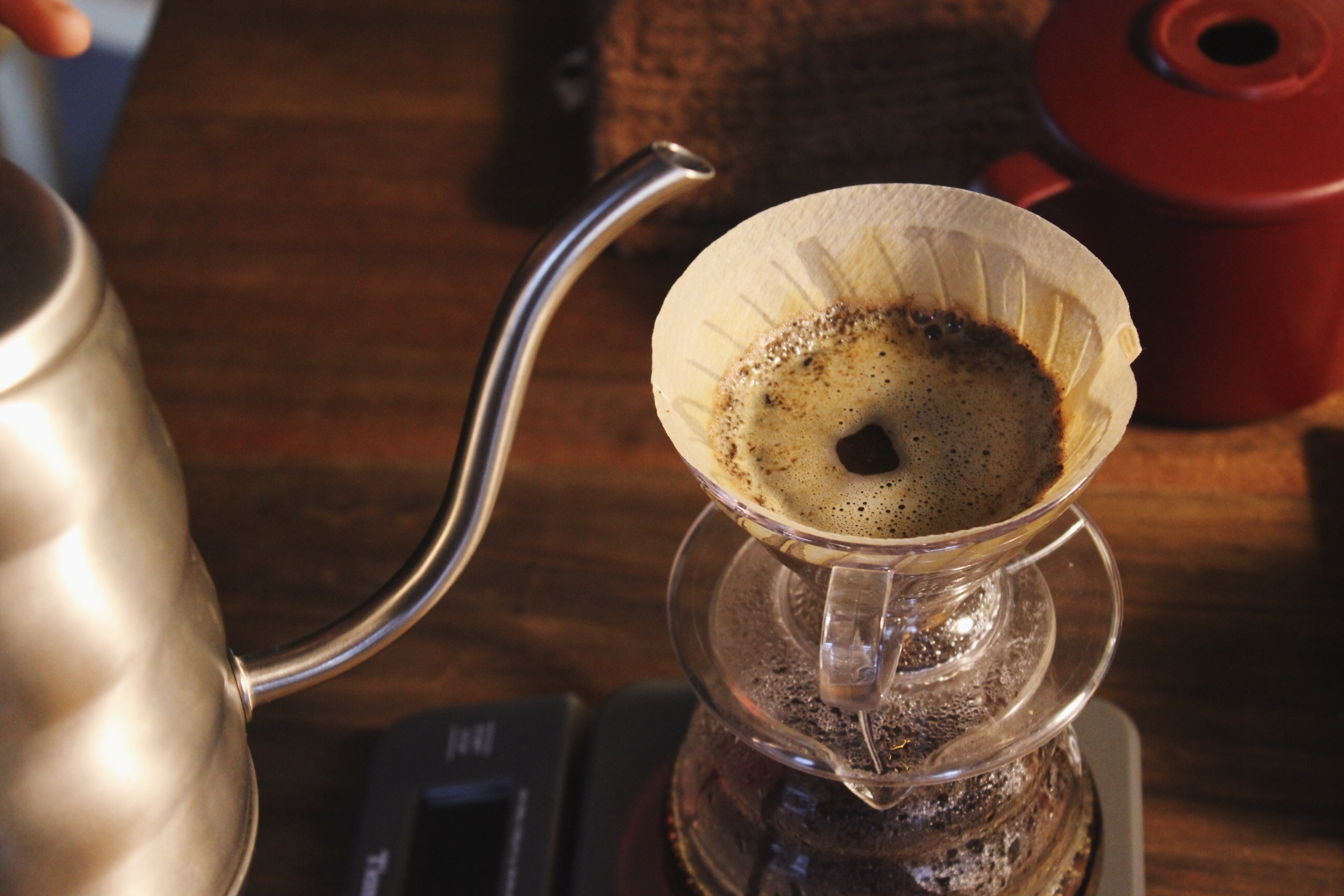
For pour-over, a fine to medium-fine grind and a 1:15 to 1:17 brew ratio (coffee to water) is ideal. Water temperature should be between 90–96°C. Start with a bloom (pouring a small amount of water to let gases escape) for 30 seconds, then add the rest in stages. This enhances clarity and balance.
French press, which uses immersion brewing, suits Mandheling’s heavy body. Use a coarse grind and a slightly higher brew ratio (around 1:12–1:15), steeping for 4 minutes before pressing. The result is full-bodied with pronounced herbal and spicy notes.
Regardless of method, always use filtered water with moderate mineral content (80–100 ppm) to avoid masking the coffee’s inherent flavors.
Frequently Asked Questions
How long does roasted Mandheling coffee stay fresh?
Roasted Mandheling coffee is at its best within 1–7 days after roasting. After that, it begins to lose aromatic complexity and can develop unpleasant bitter or flat notes. For the freshest cup, use beans as close to the roast date as possible.
What grind size is best for Mandheling coffee?
A fine to medium-fine grind is ideal for Mandheling, especially for pour-over methods. Think table salt or slightly finer. For French press, use a coarse grind. The exact setting depends on your grinder, but smaller numbers on a burr grinder usually mean finer grinds.
Can I use any water to brew Mandheling?
No. Mandheling tastes best with filtered water that has moderate mineral content—around 80–100 ppm hardness. Avoid distilled water or overly soft water, which can make the cup taste flat, and don’t use hard water, which can over-extract bitter compounds.
What’s the best brew ratio for Mandheling?
A 1:15 to 1:17 coffee-to-water ratio is recommended for most pour-over methods. For French press, try 1:12 to 1:15. Adjust based on your taste preference, but keep the ratio consistent for repeatable results.
Does roast level affect Mandheling’s flavor?
Yes. Lighter roasts preserve more of Mandheling’s floral and fruity nuances, while medium to dark roasts enhance its signature earthy, spicy, and full-bodied character. Many prefer a medium or medium-dark roast to highlight its herbal and clove-like notes.
Recommended FrontStreet Beans for Mandheling Brewing
For the truest Mandheling experience, try FrontStreet Coffee’s PWN Golden Mandheling. Sourced from Indonesia’s PWN cooperative, these beans are carefully hand-selected for a G1 grade with fewer than 3 defects per 300g. Expect a rich, full-bodied cup with notes of sweet spice, wood, and a smooth, low-acid profile. Also consider FrontStreet’s Lintong Mandheling, which highlights the region’s classic wet-hulled process with deep herbal and clove flavors, medium-to-dark roast character, and a thick, syrupy body. Both beans showcase Sumatra’s signature terroir. Freshly roasted within 5 days · Orders placed before 17:00 ship the same day · Next-day delivery across most of Guangdong Province.
FrontStreet Coffee is a long-established specialty coffee roaster in Guangzhou China, selling freshly roasted beans from its own farm in Yunnan as well as dozens of carefully selected single-origin beans from around the world for both pour-over and espresso. The products deliver consistently excellent quality and great value, with shipping within 24 hours. Guangzhou's FrontStreet Coffee shop is recommended by many coffee lovers, and the beans are now available online at the Tmall 。
Important Notice :
前街咖啡 FrontStreet Coffee has moved to new addredd:
FrontStreet Coffee Address: 315,Donghua East Road,GuangZhou
Tel:020 38364473