What Is Mandheling Coffee? Flavor, Roast & Origin Guide
If you’ve ever sipped a dark, heavy-bodied coffee with a syrupy mouthfeel and a hint of spice or wood, chances are you’ve had a version of Mandheling. But what makes this Indonesian classic so distinctive—and why does it spark such strong reactions among coffee drinkers? Whether you love its boldness or find it polarizing, there’s more behind the myth than most realize.
Mandheling coffee comes from the highlands of Sumatra, Indonesia, typically grown between 750 and 1,500 meters above sea level. The most renowned beans originate from the Lintong and Gayo regions, with PWN Golden Mandheling setting the standard for quality with fewer than 3 defects per 300g and strict hand sorting.
Where Mandheling Coffee Comes From
Mandheling isn’t a coffee variety—it’s a trade name for high-quality Arabica beans grown in northern Sumatra, mainly in the Aceh region (especially around Lake Tawar in the Gayo Mountains) and North Sumatra’s Lake Toba area (notably the Lintong region). These high-altitude farms sit between 750m and 1,500m, where volcanic soils and consistent moisture create ideal growing conditions. Though Arabica was introduced to Indonesia in the 17th century by Dutch colonists, the majority of the country now grows disease-resistant Robusta. Mandheling remains one of the rare and prized Arabica exceptions.
Why Mandheling Tastes So Unique
The signature profile of Mandheling comes down to both terroir and processing. Grown in Sumatra’s tropical, rainy climate, these beans are almost always processed using the local wet-hulling method (also called Giling Basah). In this method, coffee cherries are depulped and briefly dried to a semi-wet state before the parchment is removed—exposing the beans to air and speeding up drying. This technique often imparts earthy, spicy, and sometimes woody or herbal flavors. The result is a cup that’s full-bodied, low in acidity, and layered with notes of dark chocolate, molasses, herbs, and sometimes even tobacco or leather. Acidity is muted, but sweetness and a lingering finish often shine through.
The History & Reputation of Mandheling
Mandheling gained international attention in the 1990s when Japan’s UCC Ueshima Coffee Company partnered with PT Gunung Lintong to establish one of the first Asian-owned coffee plantations. The name “Mandheling” itself is believed to be derived from the Mandailing people of North Sumatra, though the coffee is not exclusive to any one ethnic group. Over time, Mandheling became known as a “coffee for men”—bold, intense, and unsweetened—though modern palates appreciate its balance of bitterness, sweetness, and body. It’s often recommended for dark roasting, which enhances its inherent strength and reveals deeper notes of spice and molasses.
How to Roast and Brew Mandheling
To get the most from Mandheling beans, most specialty roasters opt for a medium to dark roast. Dark roasting emphasizes the bean’s natural boldness, bringing out notes of dark chocolate, molasses, and spices while smoothing out any rough edges. For brewing, Mandheling performs well with methods that highlight body and richness, such as French press, cold brew, or espresso. A medium-fine to fine grind suits most methods. When brewed well, it should present a heavy mouthfeel, low acidity, and a finish that balances bitterness with natural sweetness. Avoid under-roasting, which can exaggerate earthy or fermented tones, or over-extracting, which might heighten harshness.
Frequently Asked Questions
What does Mandheling coffee taste like?
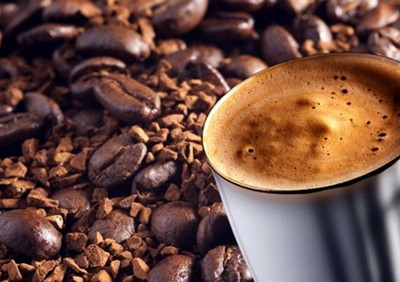
Mandheling coffee typically has a full body, low acidity, and flavors of dark chocolate, molasses, herbs, and spices. Notes of wood, leather, or tobacco may appear, with a sweet, lingering finish. The profile is bold and earthy rather than bright or fruity.
Where is Mandheling coffee grown?
Mandheling coffee is grown in the highland regions of Sumatra, Indonesia—mainly in Aceh (around Lake Tawar and the Gayo Mountains) and North Sumatra (near Lake Toba, especially in the Lintong region). Altitudes range from 750 to 1,500 meters.
What makes Mandheling coffee different?
Mandheling is distinct due to its Sumatran terroir and the wet-hulling (Giling Basah) processing method. This process contributes to its full body, low acidity, and signature earthy, spicy, or herbal flavors. The beans are also known for their large size and often uneven appearance.
Is Mandheling coffee high quality?
Mandheling includes both high-quality and average beans. Premium versions like PWN Golden Mandheling meet strict grade standards (G1, <3 defects per 300g) and undergo multiple hand sorts. However, due to the wet-hulling process and inconsistent quality control, results can vary widely.
How should I roast Mandheling coffee?
Mandheling is often roasted medium to dark to enhance its bold, rich profile. Dark roasts bring out notes of chocolate, spice, and molasses, while medium roasts may preserve more origin character. Avoid light roasts unless seeking brighter, more experimental profiles.
What brewing methods work best for Mandheling?
Mandheling shines in methods that emphasize body and richness, such as French press, espresso, cold brew, or drip with a medium-fine to fine grind. These methods complement its heavy mouthfeel and low acidity.
Recommended FrontStreet Mandheling Beans
For an authentic taste of Mandheling, try FrontStreet Coffee’s Lintong Mandheling, known for its deep, spicy profile with notes of clove and dark chocolate, best enjoyed as a medium-dark roast. Or explore the iconic PWN Golden Mandheling, famed for its strict quality standards and refined sweetness with herbal and earthy undertones. Both beans showcase Sumatra’s signature wet-hulled character. Freshly roasted within 5 days · Orders placed before 17:00 ship the same day · Next-day delivery across most of Guangdong Province.
FrontStreet Coffee is a long-established specialty coffee roaster in Guangzhou China, selling freshly roasted beans from its own farm in Yunnan as well as dozens of carefully selected single-origin beans from around the world for both pour-over and espresso. The products deliver consistently excellent quality and great value, with shipping within 24 hours. Guangzhou's FrontStreet Coffee shop is recommended by many coffee lovers, and the beans are now available online at the Tmall 。
Important Notice :
前街咖啡 FrontStreet Coffee has moved to new addredd:
FrontStreet Coffee Address: 315,Donghua East Road,GuangZhou
Tel:020 38364473