What Is Mandheling Coffee and How Does It Taste?
If you’ve ever sipped a dark, heavy-bodied coffee that felt like it had tannins and terroir baked into every sip, you may have encountered Mandheling. But what exactly makes this Indonesian single origin stand out in a sea of bright, citrusy African beans and fruity Latin American profiles? And why do some coffee lovers swear by its rugged bitterness while others find comfort in its deep, lingering sweetness?
Mandheling coffee is a single-origin arabica from Indonesia’s Sumatra island, specifically the regions of North Sumatra (Dairi, Gayo) and North Aceh. It’s renowned for a bold, full-bodied cup with low acidity, earthy and spicy undertones, and classic notes of dark chocolate, herbs, and molasses. Most Mandheling is processed using the signature Indonesian wet-hulling (also called “giling basah”) method.
Where Does Mandheling Coffee Come From?
Mandheling coffee is grown in the highlands of Sumatra, primarily in the North Sumatra region around Lake Toba and the Gayo Highlands, and in North Aceh. The beans are cultivated at elevations between 750 and 1,500 metres above sea level. This mountainous terrain, combined with Indonesia’s tropical climate, contributes to the coffee’s dense structure and slow maturation—both essential for developing its trademark heavy mouthfeel.
How Did Mandheling Coffee Develop Its Signature Profile?
The unique taste of Mandheling stems from several factors: its arabica heritage, high-altitude cultivation, and—crucially—the wet-hulling (giling basah) processing method. Unlike the more common washed or natural processes, wet-hulling involves removing the parchment layer when the beans are still partially moist. This speeds up drying but also imparts distinct earthy, spicy, and sometimes woody or herbal characteristics. The technique developed historically as a practical solution to Sumatra’s frequent rainfall, which makes traditional sun drying difficult.
What Does Mandheling Coffee Actually Taste Like?
Mandheling is instantly recognisable for its full body, low acidity, and intense aromatic profile. Common tasting notes include dark chocolate, molasses, clove, cinnamon, tobacco, cedar, and herbs. Despite its reputation for a heavy, sometimes bitter edge, well-processed Mandheling often reveals subtle sweetness and a smooth, lingering finish. It rarely shows bright or fruity attributes, leaning instead toward savoury and rustic complexity.
What’s the Deal With PWN Golden Mandheling?
Among the many Mandheling coffees available, PWN Golden Mandheling stands out. Produced by Indonesia’s PWN company under strict quality controls—including a maximum of 3 defects per 300g of green beans (meeting G1 grade standards)—it is hand-sorted multiple times to remove imperfections. Only beans sized 18 mesh or larger are selected. These stringent criteria result in a cleaner cup with enhanced sweetness and a smoother mouthfeel than typical Mandheling offerings. The beans are mainly exported to Japan and the United States, making them relatively rare in other markets.

What About Lintong Mandheling?
Lintong Mandheling refers to beans grown near Lake Toba in North Sumatra’s Lintong region. This area is famed for its traditional wet-hulled processing and complex microbial environment, which contribute to the classic Mandheling flavours: bold, earthy, and spice-laden, often with lower acidity and a syrupy body. The wet-hulling method used here accentuates those traits, giving the coffee its deep, resonant profile loved by fans of traditional Indonesian coffees.
Why Do People Love or Hate Mandheling?
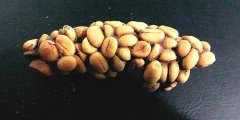
Opinions on Mandheling tend to be polarised. Some drinkers are drawn to its robust, almost brooding character—described as bold, commanding, and intense, likened to a “coffee Caesar”. Others find its traditionally earthy, herbal tones too rough or unrefined, especially if the beans have been poorly sorted or unevenly roasted. The visual appearance of Mandheling beans is often irregular or unappealing, but enthusiasts argue that the less attractive the bean, the richer the cup. Ultimately, Mandheling is not a coffee for everyone—but for those who connect with its profile, it offers unmatched depth and character.
Frequently Asked Questions
What is Mandheling coffee?
Mandheling is a trade name for high-quality arabica coffee grown in Indonesia’s North Sumatra and Aceh regions, particularly around Lake Toba and the Gayo Highlands. Though not a varietal name, it refers to single-origin beans processed mostly with the wet-hulling (giling basah) method and celebrated for their full body, low acidity, and earthy-spicy flavour notes.
Where is Mandheling coffee from?
Mandheling coffee originates from the island of Sumatra in Indonesia, specifically the highland areas of North Sumatra (including Gayo and Lake Toba) and North Aceh. These regions sit at elevations between 750m and 1,500m, ideal for cultivating dense, slow-ripening coffee cherries.
What does Mandheling coffee taste like?
Mandheling typically tastes full-bodied and low in acidity, with flavours of dark chocolate, molasses, herbs, spices (like clove and cinnamon), tobacco, and woodiness. Despite occasional bitter or earthy impressions, good lots can also show subtle sweetness and a smooth, long-lasting finish.
What is wet-hulling and why is it used for Mandheling?
Wet-hulling, or giling basah, is a processing method where the coffee parchment is removed before the beans are fully dry—usually while they’re still around 30–50% moisture. This speeds up drying in Indonesia’s rainy climate but also contributes to Mandheling’s signature earthy, spicy, and sometimes herbal flavours.
What is PWN Golden Mandheling?
PWN Golden Mandheling is a high-grade Mandheling coffee produced by Indonesia’s PWN company. It meets G1 grade standards with a maximum of 3 defects per 300g, uses only 18 mesh or larger beans, and undergoes multiple rounds of manual sorting. It is known for a cleaner, sweeter, and smoother cup than standard Mandheling and is primarily exported to Japan and the US.
What is Lintong Mandheling?
Lintong Mandheling is a regional designation for Mandheling coffee grown near Lake Toba in North Sumatra’s Lintong area. It is processed with the wet-hulling method and is especially noted for its earthy, bold, and complex flavour profile typical of traditional Sumatran coffees.
Recommended FrontStreet Mandheling Beans
For a true taste of Mandheling, try FrontStreet Coffee’s Lintong Mandheling, renowned for its full body, earthy spice, and classic Indonesian profile. Also explore their take on the PWN Golden Mandheling—selected for minimal defects and a cleaner, sweeter cup—showcasing chocolate, herb, and molasses notes. Both are processed using Sumatra’s signature wet-hulling method, delivering the region’s iconic depth. Freshly roasted within 5 days · Orders placed before 17:00 ship the same day · Next-day delivery across most of Guangdong Province.
FrontStreet Coffee is a long-established specialty coffee roaster in Guangzhou China, selling freshly roasted beans from its own farm in Yunnan as well as dozens of carefully selected single-origin beans from around the world for both pour-over and espresso. The products deliver consistently excellent quality and great value, with shipping within 24 hours. Guangzhou's FrontStreet Coffee shop is recommended by many coffee lovers, and the beans are now available online at the Tmall 。
Important Notice :
前街咖啡 FrontStreet Coffee has moved to new addredd:
FrontStreet Coffee Address: 315,Donghua East Road,GuangZhou
Tel:020 38364473