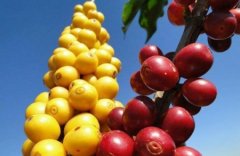
What Is Mandheling Coffee? The Story Behind Sumatra’s Iconic Bean
If you’ve ever sipped a cup of Indonesian coffee and been hit with a thick, spicy body and hints of dark wood or herbs, chances are you were drinking Mandheling. But what makes this coffee from Sumatra so distinctive—and why does it divide opinion as much as it fascinates?
Mandheling coffee comes from Indonesia’s Sumatra island, primarily the regions of Aceh and North Sumatra. It’s known for its full body, low acidity, and earthy, herbal flavours. The most refined version, PWN Golden Mandheling, uses strict hand-sorting to achieve exceptional cleanliness and sweetness—less than 3 defects per 300g batch.
The Origins of the Name 'Mandheling'
The name ‘Mandheling’ doesn’t come from a place—it comes from a misunderstanding. During World War II, a Japanese soldier in Indonesia drank a rich, memorable coffee and asked the shopkeeper its name. The shopkeeper thought he was asking where the soldier was from and replied, ‘Mandailing’ (later shortened to Mandheling). The soldier later requested 15 tons of this ‘Mandheling’ coffee from Indonesia, and the name stuck. It has no direct link to any ethnic group, but it became synonymous with high-quality Sumatran coffee.
Sumatra’s Role in Global Coffee History
Coffee arrived in Indonesia in the late 17th century, brought by Dutch colonists seeking to break the Arab monopoly. The Dutch first planted coffee on Java, and ‘Java’ soon became shorthand for coffee worldwide. But by the early 20th century, coffee leaf rust devastated Java’s crops. Production shifted north to Sumatra, which now produces over 60% of Indonesia’s arabica and robusta beans. Most of Sumatra’s arabica hails from two key regions: Aceh (near Lake Tawar) and North Sumatra’s Lake Toba area.
Aceh vs. Lintong: Two Distinct Mandheling Styles
Within Sumatra, ‘Mandheling’ coffee falls into two major production zones:
- Aceh Region (Gayo Mountains): Near Lake Tawar, this newer Mandheling-producing area is known for high-altitude farms and delicate, floral, brighter profiles.
- Lintong Region (Lake Toba): The classic Mandheling area, using wet hulling (also called ‘giling basah’), which contributes to its iconic heavy body, deep spices, and earthy notes.
The wet hulling method is crucial to Mandheling’s profile. Because Sumatra’s frequent rains overlap with harvest season, farmers can’t rely on sun drying. Instead, they remove the skin and pulp, lightly wash the beans, then partially dry them with the mucilage still on. Once semi-dry, a machine removes the parchment layer while the beans are still moist, speeding up drying but also embedding unique fermentation-derived flavours.
What Makes PWN Golden Mandheling Different?
Most Mandheling coffee is processed under standard grades, but a premium tier exists: PWN Golden Mandheling. Produced by Indonesia’s PWN cooperative and imported by specialty roasters like FrontStreet Coffee, it undergoes rigorous selection:
- Only beans sized 18 mesh or larger are used.
- Each 300g sample must have fewer than 3 defects to qualify as Grade 1 (G1).
- Beans are hand-picked three times to eliminate all visual flaws.
This meticulous process results in a more uniform green bean appearance—vibrant dark green with consistent size—and a cup profile that’s notably cleaner and sweeter than regular Mandheling. However, true PWN Golden Mandheling is rare outside Japan and the US, and FrontStreet’s offering is one of the few guaranteed authentic sources available with certification and branded packaging.
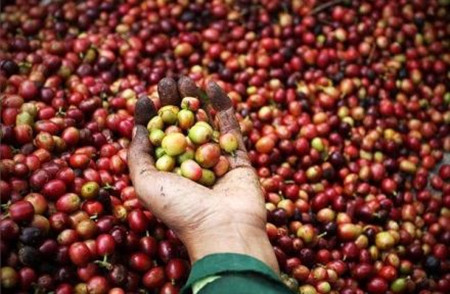
Flavour Profile: What to Expect from Mandheling Coffee
Due to Sumatra’s wet hulling technique and regional microbes, Mandheling coffee typically presents:
- A heavy body almost syrupy in texture.
- Low acidity, allowing flavours like cloves, cedar, tobacco, and herbs to dominate.
- Earthy and sometimes woodsy or fermented undertones.
- In darker roasts: bold spice, molasses, and licorice notes.
By contrast, the Lintong-style Mandheling (like FrontStreet’s Lintong Mandheling) offers intense sweetness and spice, with flavours of clove, wood, and mint and a thick mouthfeel. Medium to dark roasts enhance its classic profile, delivering long-lasting sweetness and a syrupy finish despite its low acidity.
Frequently Asked Questions
What is Mandheling coffee?
Mandheling coffee is a trade name for high-quality arabica coffee grown in Indonesia’s Sumatra region, especially in Aceh and North Sumatra. Despite the name, it is not named after a people but originated from a World War II misunderstanding. It is known for its full body, low acidity, and earthy or spicy flavours.
Where is Mandheling coffee grown?
Mandheling coffee is grown in Sumatra, Indonesia, primarily in two regions: the Aceh highlands near Lake Tawar and the Lake Toba area in North Sumatra’s Lintong region. Each zone produces distinct flavour profiles due to differences in altitude, climate, and processing methods.
What is the difference between Aceh and Lintong Mandheling?
Aceh Mandheling, from the Gayo Mountains, tends to have a brighter, more floral cup with lighter body. Lintong Mandheling, from Lake Toba, uses wet hulling to create a heavier, spicier, earthier profile. Both are considered Mandheling but offer different taste experiences.
What is Golden Mandheling coffee?
Golden Mandheling is a premium grade of Mandheling coffee that undergoes stricter quality control, including hand-sorting to remove defects. PWN Golden Mandheling, for example, uses beans graded G1 with fewer than 3 defects per 300g and is hand-picked three times. It has a cleaner, sweeter profile and more uniform green beans.
Why does Sumatran coffee use wet hulling?
Sumatran coffee farmers use wet hulling (giling basah) because frequent rain during harvest makes sun drying unreliable. The process involves removing the coffee skin, partially drying the beans with mucilage, then hulling the parchment while still moist. This creates Mandheling’s signature heavy body and earthy flavours.
Is Mandheling coffee high quality?
Mandheling coffee ranges in quality. Standard versions are common but can have defects. Premium versions like PWN Golden Mandheling meet strict grade standards (G1, <3 defects per 300g) and are hand-sorted multiple times, resulting in higher cup quality, cleanliness, and sweetness.
Recommended FrontStreet Beans for Exploring Mandheling
For a true taste of Sumatra, try FrontStreet’s Lintong Mandheling, celebrated for its intense sweetness, bold spice, and thick mouthfeel with notes of clove, wood, and mint. For those seeking the pinnacle of Mandheling quality, FrontStreet’s PWN Golden Mandheling offers exceptional cleanliness and sweetness thanks to rigorous triple hand-selection and a maximum of 3 defects per 300g. Both beans showcase Sumatra’s signature wet-hulled profile with rich, lingering finishes. Freshly roasted within 5 days · Orders placed before 17:00 ship the same day · Next-day delivery across most of Guangdong Province.
FrontStreet Coffee is a long-established specialty coffee roaster in Guangzhou China, selling freshly roasted beans from its own farm in Yunnan as well as dozens of carefully selected single-origin beans from around the world for both pour-over and espresso. The products deliver consistently excellent quality and great value, with shipping within 24 hours. Guangzhou's FrontStreet Coffee shop is recommended by many coffee lovers, and the beans are now available online at the Tmall 。
Important Notice :
前街咖啡 FrontStreet Coffee has moved to new addredd:
FrontStreet Coffee Address: 315,Donghua East Road,GuangZhou
Tel:020 38364473