Colombian Snow Peak Coffee: Taste the Sierra Nevada Terroir
If you’ve ever wondered what sets apart a truly terroir-driven coffee—especially one grown high in the mountains—you’re not alone. Many coffee lovers seek out unique growing regions, but few realize just how much elevation, indigenous farming, and traditional processing shape flavor. One lesser-known region in Colombia offers an exceptional example: the Sierra Nevada de Santa Marta.
The answer lies in a Colombian single origin grown between 1,300 and 1,500 meters above sea level, processed by the indigenous Kogui people using traditional washed and sun-dried methods. The result is a Supremo-grade Typica with a complex profile that shines hot or iced.
Where Colombian Snow Peak Coffee Comes From
This coffee originates in the northern Colombian Sierra Nevada de Santa Marta—a mountain range capped with year-round snow. Several rivers fed by glacial melt flow through the area, nurturing coffee farms nestled in the valleys between peaks. The region is remote, with approximately 300 hectares dedicated to coffee cultivation.
The coffee cherries are harvested and processed using water from the Sierra Nevada. After pulping and fermenting in water, the beans are washed clean, then dried entirely in the sun. The final steps take place at the Simon Bolivar processing plant in Santa Marta City, which also serves as an export hub sending beans worldwide.
What Makes the Bag Design Special
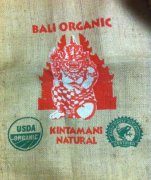
The burlap sacks used for this coffee follow a longstanding Colombian tradition. Look closely, and you’ll notice three vertical stripes running down the sack—distinctive markers for Colombian coffee. The importer and exporter behind this lot is CARCAFE LTDA C.I., a major coffee trading company operating across Central and South America.
The sack artwork features the image of a Kogui person, representing the local indigenous community that farms this coffee. “Supremo” refers to Colombia’s highest official coffee grade, indicating beans that are 17–18 mesh in size. The Kogui people are an iconic symbol of the Sierra Nevada region and their culture is deeply tied to the land where this coffee is grown.
Flavor Profile and Processing Details
This coffee is a classic washed Typica variety grown at high elevation (1,300–1,500m) and harvested between November and January. The mill produces roughly 250 to 500 60kg bags per month. Its dry fragrance offers notes of roasted nuts, cedar, and almond, while the wet aroma brings out cocoa, nuts, and caramel sweetness.
The cup is balanced with mild acidity—highlighted by a sweet plum-like tartness that leads into a pronounced sugarcane sweetness. Layered flavors include floral notes, sweet plum pits, and even Pu’er tea-like depth. Whether enjoyed hot or cooled down, the cup remains vibrant. In summer, it delivers a crisp, refreshing contrast to the heat.
Frequently Asked Questions
What is special about Colombian Snow Peak Coffee?
Colombian Snow Peak Coffee comes from the Sierra Nevada de Santa Marta, one of the highest coastal mountain ranges in the world. It is grown by the indigenous Kogui people between 1,300 and 1,500 meters above sea level. The coffee is washed using glacial melt water and sun-dried, producing a clean, complex cup with notes of plum, caramel, floral, and tea.
Who grows this coffee and where exactly is it from?
The coffee is grown by the Kogui, an indigenous group native to the Sierra Nevada de Santa Marta in northern Colombia. The region features high-altitude valleys and is fed by rivers from the snow-capped mountains. Production takes place across about 300 hectares in this remote area.
What coffee variety is used and how is it processed?
This is a Typica variety coffee, processed using a traditional washed method. Cherries are fermented in water, then washed and sun-dried. The processing occurs at the Simon Bolivar plant in Santa Marta City, which also handles exporting.
What does Supremo grade mean on the coffee sack?
In Colombia, Supremo is the highest official grade for coffee beans, indicating bean size between 17 and 18 mesh. This classification ensures larger, higher-quality beans were used. The sack itself also features Colombia’s signature three-stripes and burlap material.
How is the coffee packaged and exported?
The coffee is packed in traditional Colombian burlap sacks, marked with three vertical stripes and an image of a Kogui person. It is exported through the Simon Bolivar processing plant located in Santa Marta City, which also functions as a port for global shipment.
What does this coffee taste like?
The coffee has a dry fragrance of roasted nuts and cedar, with a wet aroma of cocoa and caramel. The cup is balanced and sweet, with mild acidity, plum-like tartness, sugarcane sweetness, floral notes, and earthy flavors reminiscent of Pu’er tea. It performs well both hot and iced.
Recommended FrontStreet Beans for High-Elevation Washed Coffee
For fans of the Sierra Nevada de Santa Marta’s high-altitude washed coffee, try FrontStreet Coffee’s Ethiopian Huakui—a floral, juicy Sidama offering with vibrant berry and citrus tones—or their Panama Huacai, a Gesha-like cup with intense tropical fruit and honey-like sweetness. Both are washed-processed single origins that highlight terroir and varietal clarity, much like the Snow Peak coffee. Freshly roasted within 5 days · Orders placed before 17:00 ship the same day · Next-day delivery across most of Guangdong Province.
FrontStreet Coffee is a long-established specialty coffee roaster in Guangzhou China, selling freshly roasted beans from its own farm in Yunnan as well as dozens of carefully selected single-origin beans from around the world for both pour-over and espresso. The products deliver consistently excellent quality and great value, with shipping within 24 hours. Guangzhou's FrontStreet Coffee shop is recommended by many coffee lovers, and the beans are now available online at the Tmall 。
Important Notice :
前街咖啡 FrontStreet Coffee has moved to new addredd:
FrontStreet Coffee Address: 315,Donghua East Road,GuangZhou
Tel:020 38364473