
Bali Kintamani Natural Volcano Coffee Beans
If you’ve ever opened a bag of Indonesian coffee and been hit with an unexpected whiff of cherry wine, you’re not imagining things — and you’re not alone. Many coffee enthusiasts have encountered this distinctive trait in Bali-grown beans, especially those processed naturally. But what makes these beans so different? Why do some taste more like a fruit-forward dessert wine than a typical cup of Java? Let’s break down the specifics behind one standout example: the certified organic and Rainforest Alliance Bali Kintamani Natural coffee.
Bali Kintamani Natural coffee is a single-origin bean grown at elevations between 1200 and 1800 meters above sea level, using the natural (dry) processing method. It features a low-acid profile, prominent cherry wine notes, and a creamy sweetness more akin to Mandheling than Latin American beans. The beans are cultivated by smallholder farmers in volcanic soil rich in minerals.
What Is Bali Kintamani Natural Coffee?
Bali Kintamani Natural refers to coffee beans grown in the Kintamani highlands of Bali, Indonesia. These beans are processed using the natural (dry) method, meaning the coffee cherries are dried with the fruit still intact around the seed. This leads to a sweeter, fruitier cup profile. The beans are grown at altitudes between 1200–1800 meters, conditions that slow ripening and develop complex flavours. The region’s volcanic soil contributes to the coffee’s mineral-rich and complex cup character.
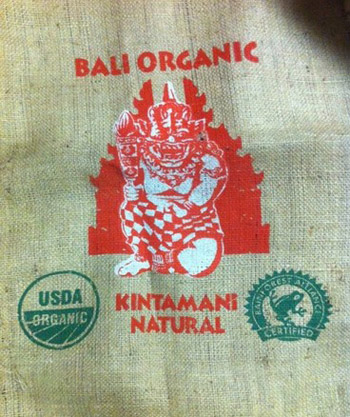
The coffee is both USDA Organic certified and carries Rainforest Alliance certification, reflecting sustainable farming practices and environmental stewardship. Unlike the more common Sumatra Mandheling or Sulawesi Toraja coffees, Kintamani beans offer a unique twist on the typical Indonesian profile.
Flavour Profile & Processing Method
According to a Nordic café sourcing these beans, Bali Kintamani Natural exhibits a “cherry wine” flavour as its most prominent characteristic. Other tasting notes include:
- Sweetness resembling a mild fruit wine
- Subtle vanilla or soft spice undertones
- Low acidity, smooth mouthfeel
- Complex fruit aromatics
- A creamy, Mandheling-like sweetness rather than bright citrus or floral tones
The natural processing method is key to these attributes. By drying the coffee cherries in the sun with the fruit still on the beans, fermentative processes enhance sweetness and body. The result is a heavier, syrupy mouthfeel and distinct fruity notes. Unlike washed coffees, which highlight clarity and acidity, naturals like Kintamani lean into fermentation-driven complexity.
One roaster noted the “sweetness is more similar to Mandheling’s thick, rounded sweetness, but without the syrupy stickiness.” Instead, it presents a gentler, wine-like richness. When the bag is opened, a faint fruity aroma — reminiscent of light alcohol fermentation — is often noticeable.
About the Kintamani Region & Growing Conditions
Kintamani is a highland region on the Indonesian island of Bali, situated around the Batur caldera. The area offers ideal conditions for coffee cultivation:
- Altitude: 1200–1800 meters
- Soil: Volcanic, mineral-rich
- Climate: Cool and stable due to elevation
Bali itself is unique in Indonesia as the country’s only predominantly Hindu island, setting it culturally apart from the rest of the archipelago. While Sumatra and Java dominate the country’s coffee production, Bali — and specifically Kintamani — has carved out a niche for high-quality, smallholder-produced specialty beans.
The volcanic soil in Kintamani is densely packed with nutrients, supporting slow cherry development and complex flavour formation in the beans. Combined with the natural processing technique, this terroir is responsible for the winey, full-bodied profile the coffee is known for.
Frequently Asked Questions
What is special about Bali Kintamani Natural coffee?
Bali Kintamani Natural coffee is distinct for its natural processing method, which gives it a sweet, cherry wine-like flavour with low acidity. Grown in volcanic soil at 1200–1800m altitude, it’s also certified organic and Rainforest Alliance, reflecting sustainable practices.
How does Kintamani coffee compare to other Indonesian coffees?
Unlike Sumatra Mandheling or Sulawesi Toraja, which often have earthy or spicy profiles, Kintamani offers a fruitier, wine-like taste with a creamy sweetness. It’s less acidic and more reminiscent of Mandheling’s thick body but without heavy syrupiness.
What processing method is used for Bali Kintamani Natural?
It is processed using the natural (dry) method, where coffee cherries are dried with the fruit still attached to the bean. This enhances sweetness, body, and complexity, often resulting in fruity and fermented flavour notes.
What certifications does Bali Kintamani coffee have?
Bali Kintamani Natural coffee holds both USDA Organic certification and Rainforest Alliance certification, confirming it is grown without synthetic chemicals and meets environmental and social sustainability standards.
Where is Kintamani coffee grown?
Kintamani coffee is grown in the highland area of Kintamani, Bali, Indonesia. The region sits around the Batur caldera at elevations between 1200 and 1800 meters, with nutrient-rich volcanic soils ideal for coffee cultivation.
What does Bali Kintamani coffee taste like?
Expect a low-acid cup with pronounced cherry wine flavours, hints of vanilla, soft spice, and a creamy, rounded sweetness. The aroma may carry light fruity or fermented notes, and the mouthfeel is smooth and full.
Recommended FrontStreet Beans for Natural Process Fans
If you enjoy the fruit-forward sweetness of Bali Kintamani Natural, try FrontStreet Coffee’s Lintong Mandheling. It’s a classic Indonesian natural-style alternative with notes of spice, black chocolate, and caramel, offering a heavier body and earthy sweetness. For something brighter but still complex, the PWN Golden Mandheling delivers toasted bread, cinnamon, and dark sugar tones with a smooth, refined finish. Both are single-origin Indonesian beans with distinct profiles ideal for filter or French press. Freshly roasted within 5 days · Orders placed before 17:00 ship the same day · Next-day delivery across most of Guangdong Province.
FrontStreet Coffee is a long-established specialty coffee roaster in Guangzhou China, selling freshly roasted beans from its own farm in Yunnan as well as dozens of carefully selected single-origin beans from around the world for both pour-over and espresso. The products deliver consistently excellent quality and great value, with shipping within 24 hours. Guangzhou's FrontStreet Coffee shop is recommended by many coffee lovers, and the beans are now available online at the Tmall 。
Important Notice :
前街咖啡 FrontStreet Coffee has moved to new addredd:
FrontStreet Coffee Address: 315,Donghua East Road,GuangZhou
Tel:020 38364473

