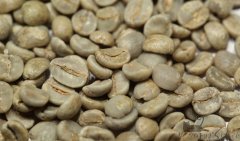
New Caledonia's Kouandji Estate Leroy Coffee Beans
If you’ve ever wondered whether there’s a coffee rarer—and possibly pricier—than Jamaica Blue Mountain No.1, the answer lies thousands of miles south in the Pacific. New Caledonia, a French territory near Australia, produces some of the rarest and most elusive specialty coffee in the world. Among them is the Kouandji Estate Leroy, a coffee that few have tasted, fewer understand, and even fewer can afford. But what makes this coffee so special? And is the price really justified?
Yes—but mostly due to scarcity. The Kouandji Estate Leroy coffee is extraordinarily limited, with an annual production of just around 1,000 kilograms. It’s grown at low altitude on the southernmost coffee farm in the world, processed using washed and sun-dried methods, and comes from a naturally occurring coffee variety called Leroy (also known as “Rayloy” or “Bourbon Pointu”).
What Is the Kouandji Estate Leroy Coffee?
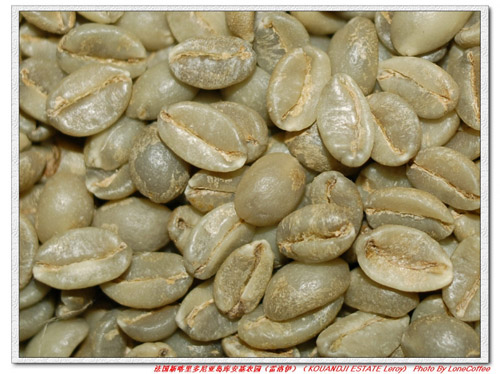
The Kouandji Estate Leroy is produced by Domaine du Kouandji, a local coffee initiative based 25 kilometers southeast of Nouméa, New Caledonia’s capital. The estate aims to revive coffee farming on the island, which nearly disappeared decades ago. The “Leroy” variety—also nicknamed “the President” due to regular supply to the Élysée Palace for former President Jacques Chirac—is a naturally mutated form of Bourbon, likely originating from Réunion Island (then called Bourbon Island) or a hybrid of local Melanesian and Typica varieties. It’s instantly recognizable by its pointed ends, small bean size, and extreme rarity.
Why Is This Coffee So Rare and Expensive?
This coffee commands sky-high prices—now well above Jamaica Blue Mountain No.1—not because of marketing alone, but due to multiple compounding factors:
- Extremely limited production: Around 1,000 kg per year globally.
- Low yield: The Leroy plant is naturally low-producing and susceptible to disease.
- Small bean size: The physical beans are notably tiny, affecting overall harvest weight.
- High labor costs: As a French territory, New Caledonia has significantly higher wages than other coffee-growing nations.
- Unique processing and terroir: Grown between 200–300 meters (near the Tropic of Capricorn), it mimics higher-altitude conditions with around 1,000mm of rainfall annually. Processing is done via washed method and sun drying.
- Low roast weight loss: Unusually, it loses only 16–17% of mass during roasting, compared to the typical 20%.
All of these factors contribute to both its exclusivity and its five-figure pricing per kilogram in specialty markets.
How Should You Roast and Brew It?
According to firsthand tasting notes from those who’ve tried it, the Leroy variety responds best to a lighter roast—ideally stopped about one minute into the first crack or shortly after. The beans are very dense, and even in a hand grinder, you’ll notice significant resistance during grinding, confirming their hardness. Most recommend not roasting too dark to preserve its inherent qualities.
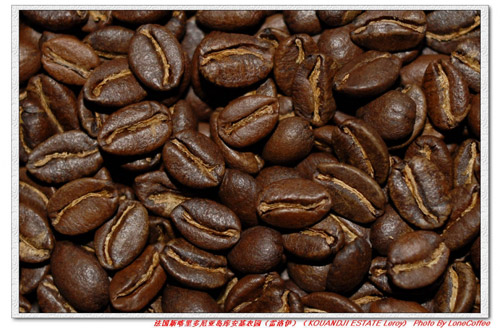
In the cup, drinkers report a clean, bright profile with pronounced acidity—sharper than Yirgacheffe at similar roast levels. There’s little sweetness or heavy body noted, and the overall impression is one of clarity over complexity. The roast should aim to highlight its delicate acidity and unique terroir rather than mask it with roast-driven flavors.
Here’s a quick technical summary:
- Roast level: Light to light-medium; end roast ~1 min into first crack
- Bean hardness: Very hard (notable resistance in hand grinders)
- Roast weight loss: 16–17%
- Processing: Washed, sun-dried
- Roast recommendation: Preserve acidity; avoid heavy development
While it may not wow you with syrupy body or heavy fruit notes, its clarity, low caffeine content, and historical prestige make it a fascinating cup for coffee explorers.
What Makes the Leroy Variety Unique?
Beyond its scarcity, the Leroy (or Rayloy) coffee plant has several distinctive botanical and chemical properties:
- Caffeine content: Just 0.6%, half that of regular Arabica (which averages around 1.2%)
- Bean shape: Distinctive pointed ends on both sides (“Bourbon Pointu”)
- Tree characteristics: Dwarfed tree size, narrow leaves, high drought tolerance but prone to illness
- Yield: Extremely low, contributing to its exclusivity
- Harvest period: Flowers from August to October; harvested May to August
These traits make it not just rare in availability—but unique in the plant kingdom of coffee.
Frequently Asked Questions
Where is New Caledonia, and why is coffee from there so special?
New Caledonia is a French territory in the South Pacific, located near Australia. Its coffee is considered rare because it’s grown at one of the southernmost latitudes in the world—close to the Tropic of Capricorn—and at relatively low altitudes that mimic higher-elevation conditions. The island’s isolation, high labor costs, and limited production contribute to its exclusivity.
What is the Leroy coffee variety, and where does it come from?
The Leroy variety (also called Rayloy or Bourbon Pointu) is a naturally mutated Arabica found almost exclusively in New Caledonia. It likely originated as a variant from Réunion Island or as a hybrid of local Melanesian and Typica plants. It’s known for its pointed bean tips, small size, low yield, and unique flavor profile.
Why is Leroy coffee so expensive?
Leroy coffee is expensive due to its extremely limited annual production (around 1,000 kg), low yields per tree, high labor costs (New Caledonia is French), and challenging cultivation. Its rarity and historical prestige—having been served to French presidents—also drive up demand and pricing.
How should I roast Leroy coffee beans?
Most roasters recommend a light to light-medium roast, stopping about one minute into the first crack. The beans are very dense, so they resist grinding, and over-roasting can obscure their delicate acidity. The goal is to highlight their clarity and unique traits, not overpower them.
What does Leroy coffee taste like?
Tasters report a clean, bright cup with notable acidity—sharper than Yirgacheffe at a similar roast. There’s typically little sweetness or body. The cup is more about clarity and subtlety than bold flavors, with low caffeine content adding to its unique profile.
Similar Rare Single Origins from FrontStreet Coffee
If you’re drawn to ultra-rare, high-elevation single origins like the Kouandji Leroy, try FrontStreet’s Panama Huacai, known for its complex citrus and floral notes, or the Ethiopia Huakui, offering vibrant berries and delicate acidity. Both are low-production lots with distinct cup profiles. Freshly roasted within 5 days · Orders placed before 17:00 ship the same day · Next-day delivery across most of Guangdong Province.
FrontStreet Coffee is a long-established specialty coffee roaster in Guangzhou China, selling freshly roasted beans from its own farm in Yunnan as well as dozens of carefully selected single-origin beans from around the world for both pour-over and espresso. The products deliver consistently excellent quality and great value, with shipping within 24 hours. Guangzhou's FrontStreet Coffee shop is recommended by many coffee lovers, and the beans are now available online at the Tmall 。
Important Notice :
前街咖啡 FrontStreet Coffee has moved to new addredd:
FrontStreet Coffee Address: 315,Donghua East Road,GuangZhou
Tel:020 38364473