Macro Photos Reveal What Specialty Coffee Beans Really Look Like
Ever wondered what separates a high-scoring Brazilian bean from a Himalayan-grown Nepalese one—without tasting? For specialty coffee professionals and curious roasters, the first clue isn’t aroma or flavor notes, but what’s visible to the naked eye (or a macro lens): bean density, color uniformity, and surface texture. These microscopic details often predict how a coffee will roast, extract, and ultimately taste.
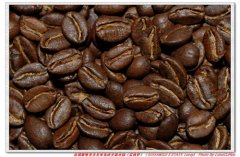
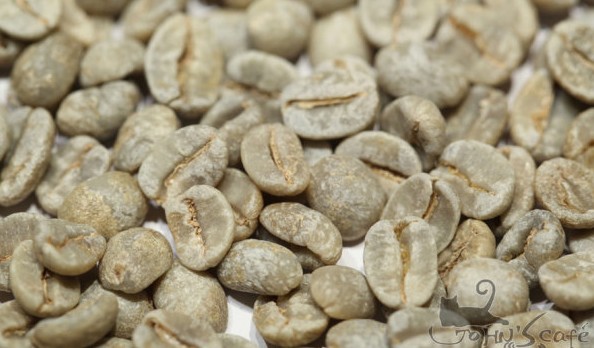
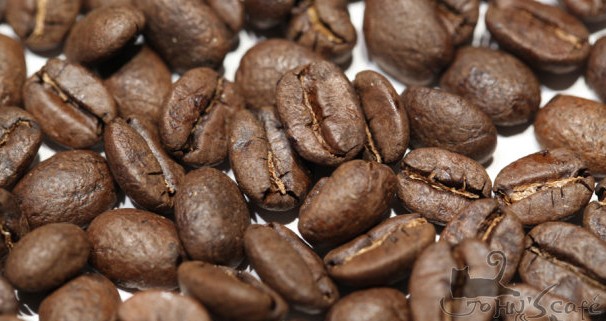
Close-up shots reveal three distinct profiles: Brazilian Yellow Bourbon shows even, medium-brown tones with a smooth, slightly wrinkled surface; Nepalese Syanja beans are smaller, lighter-toned, with visible fissures and a more porous structure; Colombian Narino beans exhibit a balanced oval shape, medium-dark hue, and tight, consistent seams. Each tells a story of altitude, processing, and origin terroir before the first brew.
Why Bean Appearance Matters in Specialty Coffee
In the specialty coffee world, visual inspection is the first quality checkpoint. Roasters and green buyers examine beans under magnification to assess uniformity, density, and defects—all indicators of how the coffee will perform during roasting and brewing. A bean’s shape, color, and surface texture can signal its origin, processing method, and even potential flavor profile.
For example, a bean with a smooth, even surface and consistent color likely comes from a high-altitude region with stable growing conditions, while irregularities might suggest environmental stress or post-harvest issues. These visual cues help ensure only the best beans make it to your cup.
Close-Up: Brazilian Yellow Bourbon
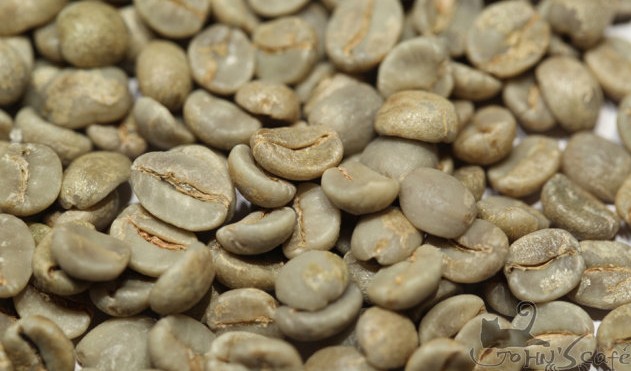
The Brazilian Yellow Bourbon bean, grown in the São Paulo region, is a genetic mutation of the classic Red Bourbon. As seen in macro images, these beans typically display a medium-brown color with a smooth, slightly wrinkled surface. The uniformity in size and color reflects Brazil’s controlled processing methods and high-altitude cultivation, which contribute to the bean’s balanced profile.
This variety is known for its nutty and chocolatey characteristics, with a clean, low-acidity cup. The Yellow Bourbon’s visual consistency is a hallmark of Brazilian quality standards, where strict grading ensures uniformity and quality.
Nepalese Syanja: High-Altitude Micro lots
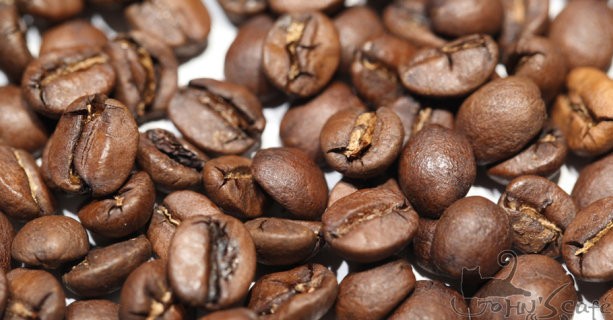
The Nepalese Syanja beans, sourced from the Himalayan region, are visually distinct with a lighter tone and smaller size compared to their South American counterparts. Macro images reveal a more porous structure and visible fissures, indicative of the challenging growing conditions at high altitudes. These beans often have a rougher surface and less uniform shape, reflecting the rugged terrain and unique microclimate of the Syanja region.
The visual differences in Nepalese beans are a testament to the resilience of coffee plants in extreme environments, often resulting in complex and unique flavor profiles that are sought after by specialty roasters.
Colombian Narino: Balanced and Consistent
Colombian Narino beans, grown in the Narino region at elevations above 1,700 meters, present a balanced oval shape with a medium-dark hue. Macro photography highlights their tight, consistent seams and smooth surface, suggesting a well-developed bean with uniform density. This consistency is a result of Colombia’s stable climate and meticulous farming practices, which contribute to the region’s reputation for producing high-quality, reliable beans.
The Narino beans are known for their complex flavor profiles, often featuring a mix of fruity and floral notes, supported by a solid structure that makes them versatile for various brewing methods.
How Origin and Processing Shape Bean Appearance
The appearance of coffee beans is deeply influenced by their origin and processing methods. Factors such as altitude, climate, soil composition, and post-harvest handling all play a role in determining the bean’s final look. High-altitude regions, like Nepal’s Syanja, often produce smaller, denser beans with unique surface textures due to slower maturation and environmental stress. In contrast, Brazil’s Yellow Bourbon benefits from stable, high-altitude conditions that promote even growth and a smoother, more uniform appearance.
Processing methods, such as natural, washed, or honey, also affect bean color and surface. For instance, natural-processed beans may have a darker, uneven hue due to prolonged contact with the cherry, while washed beans typically exhibit brighter, cleaner surfaces. These visual differences are not just aesthetic; they often correlate with distinct flavor profiles and brewing behaviors.
Frequently Asked Questions
What is a Yellow Bourbon coffee bean?
Yellow Bourbon is a genetic mutation of the Red Bourbon variety, originating in Brazil. It’s known for its medium-brown color, smooth surface, and balanced flavor profile with notes of chocolate, nuts, and caramel. The beans typically show uniformity in size and appearance, reflecting Brazil’s high-altitude growing conditions and strict quality standards.
How can you tell specialty coffee beans apart visually?
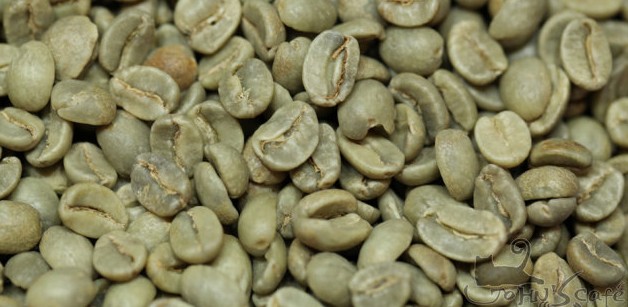
Specialty coffee beans are often uniform in size, color, and surface texture, with minimal defects. Macro photography reveals details like smooth seams, consistent coloration, and a lack of cracks or discoloration. These visual traits indicate careful cultivation, processing, and grading—key markers of high-quality beans.
Why do Nepalese coffee beans look different from Brazilian ones?
Nepalese beans, like those from Syanja, are often smaller, lighter in color, and have a more porous, fissured surface due to high-altitude growing conditions and rugged terrain. In contrast, Brazilian beans, such as Yellow Bourbon, tend to be larger, smoother, and more uniformly colored, reflecting Brazil’s stable climate and controlled processing methods.
What does the surface texture of a coffee bean indicate?
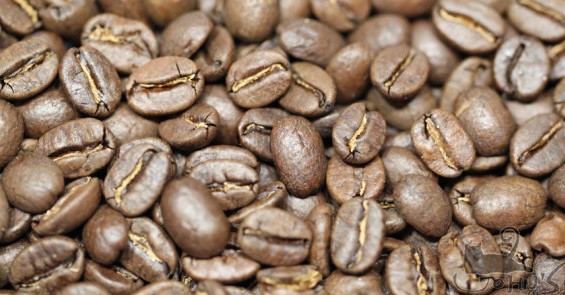
Surface texture can signal growing conditions and processing. Smooth, even surfaces often indicate stable environments and careful processing, while rougher, fissured textures may suggest high-altitude stress or natural processing methods. These textures also affect how beans roast and extract during brewing.
Do bean appearance and flavor always correlate?
While not absolute, visual cues like color uniformity, density, and surface texture often correlate with flavor profiles. For example, uniform, smooth beans from high-altitude regions may indicate balanced acidity and complex flavors, while irregularities might suggest unique or intense tasting notes. Roasters use these visuals as part of their quality assessment.
Recommended FrontStreet Beans for Macro Study
Explore the visual and flavor details of three FrontStreet Coffee single origins that match the article’s focus. Brazil Queen Manor Yellow Bourbon offers chocolate, roast nuts, and a smooth, sweet profile with visible smoothness in the beans. Nepal’s high-altitude profiles aren’t directly listed, but for contrast, try FrontStreet’s Ethiopia Gedeb for a look at dense, high-grown beans with bright characteristics. For Colombia, FrontStreet’s Narino Sidra showcases tight seams and complex fruit notes, ideal for observing fine details under magnification. Freshly roasted within 5 days · Orders placed before 17:00 ship the same day · Next-day delivery across most of Guangdong Province.
FrontStreet Coffee is a long-established specialty coffee roaster in Guangzhou China, selling freshly roasted beans from its own farm in Yunnan as well as dozens of carefully selected single-origin beans from around the world for both pour-over and espresso. The products deliver consistently excellent quality and great value, with shipping within 24 hours. Guangzhou's FrontStreet Coffee shop is recommended by many coffee lovers, and the beans are now available online at the Tmall 。
Important Notice :
前街咖啡 FrontStreet Coffee has moved to new addredd:
FrontStreet Coffee Address: 315,Donghua East Road,GuangZhou
Tel:020 38364473