What Makes Rwandan Gitesi Coffee Unique?
If you’ve ever sipped a bright Rwandan coffee and wondered what makes it taste so distinct—think juicy berries, smooth almond, and subtle chocolate—you’re not alone. Many coffee drinkers are curious about what sets Rwandan coffees apart, especially those from lesser-known regions like Gitesi. The answer lies in a mix of geography, processing, and tradition unique to the country’s high-altitude farms.
Rwandan Gitesi coffee is part of the broader Rwandan specialty coffee scene, known for its clean, vibrant cup with pronounced berry acidity, almond sweetness, and hints of dark chocolate. Most of Rwanda’s coffee, including that from Gitesi, is grown at similar altitudes and processed using the washed method, delivering a consistent and approachable profile.
Where Is Gitesi and What’s Special About Rwandan Coffee Regions?
Rwanda is a small, landlocked country in East Africa, and while Gitesi is not as widely recognized as other Rwandan coffee regions like Huye (formerly Butare) or Maraba, it benefits from the same favorable growing conditions found across the country’s southern and western highlands. These regions sit at elevations ideal for coffee cultivation, generally between 1,500 and 2,000 meters above sea level.
The southern and western parts of Rwanda, where Gitesi is located, experience a tropical highland and savanna climate. This means mild, cool temperatures year-round, consistent rainfall, and rich volcanic soils—all of which contribute to the distinctive taste profiles of Rwandan coffee. The volcanic soils are especially fertile, providing essential nutrients without the heavy use of chemical fertilizers or pesticides.
How Is Rwandan Coffee Typically Processed?
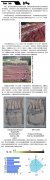
Nearly all Rwandan coffee, including that from Gitesi, is processed using the washed (or wet) method. This labor-intensive approach highlights the coffee’s intrinsic clarity and brightness. The process begins with careful hand-picking to remove any underripe or damaged cherries before moving to the pulping stage, where the skin is removed.
Next comes a crucial fermentation phase: the coffee is left to ferment without water for 12 to 18 hours in cool conditions. This step breaks down the sticky mucilage around the coffee seeds. After fermentation, the beans are thoroughly washed to remove all remaining fruit residue. They are then spread out on raised beds to dry under direct sunlight. During drying, workers regularly turn the beans by hand to ensure even drying and prevent mold. The target is to reduce moisture content to below 14%, a critical factor for stability and quality in the green bean.
This meticulous washed process not only preserves the coffee’s inherent cleanliness—free from fermented or dirty flavors—but also enhances its vibrant acidity and clarity, making Rwandan beans especially suited for single-origin offerings.
What Flavors Can You Expect from Rwandan Coffee?
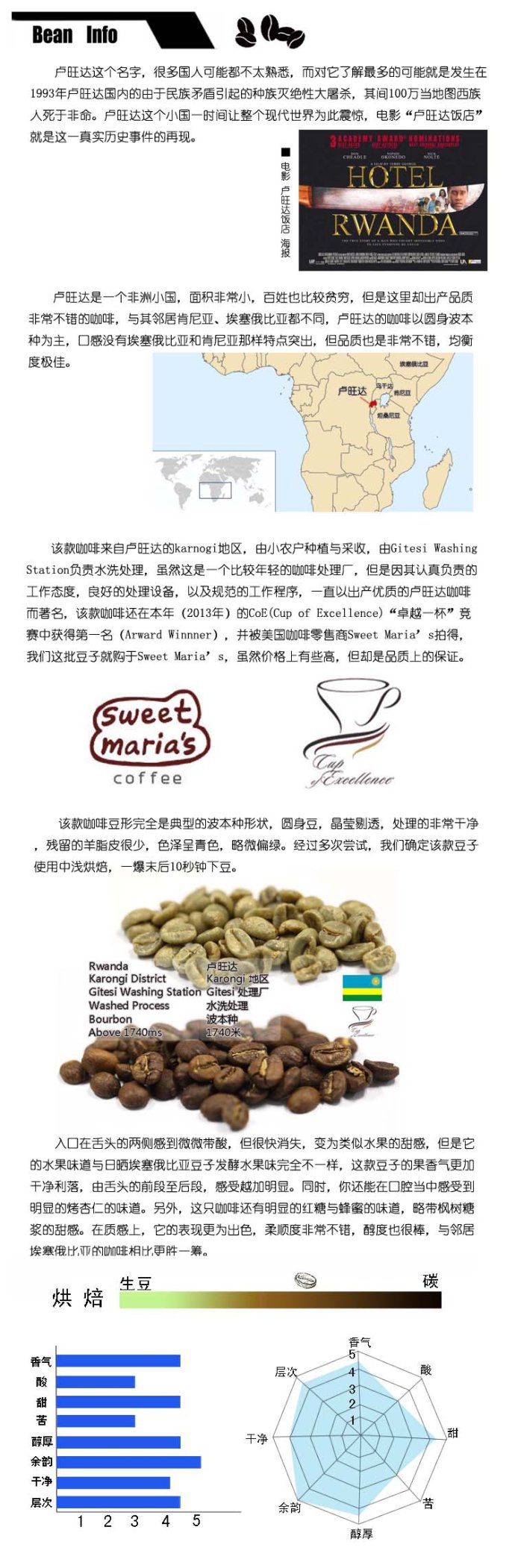
Rwandan coffees, including those from Gitesi, are celebrated for a flavor profile that includes bright berry-like acidity, often reminiscent of redcurrants or strawberries, layered with a smooth almond tone and subtle undertones of dark chocolate or brown sugar. The cup is typically clean, sweet, and well-balanced, making it an excellent example of East African specialty coffee.
These traits are largely due to Rwanda’s high altitudes, volcanic soil, and the washed processing method. The result is a coffee that is both complex and accessible—appealing to both newer coffee drinkers and seasoned enthusiasts.
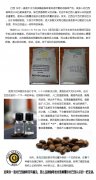
For those looking to try a classic example, Rwanda Red Bourbon—often sourced from the higher altitudes of the southern Nyamasheke region—is a go-to. This particular lot is traditionally washed and medium-roasted, bringing forward vivid citrus acidity alongside nutty and chocolatey sweetness. It’s an ideal introduction to the flavors Rwanda has to offer.
Frequently Asked Questions
What region is Gitesi coffee from in Rwanda?
Gitesi coffee comes from the southern region of Rwanda, which shares similar growing conditions with other major coffee-producing areas in the country such as Nyamasheke and Huye. While not as famous as some other Rwandan coffee regions, Gitesi benefits from the same high altitudes, volcanic soils, and cool climate.
What processing method is used for Rwandan coffee?
The vast majority of Rwandan coffee, including that from Gitesi, is processed using the washed method. This involves hand-sorting, pulping, fermenting without water for 12–18 hours, washing, and drying the beans to a moisture level below 14%. The washed process highlights clean, bright flavors and high clarity in the cup.
What flavors are typical in Rwandan coffee?
Rwandan coffee is known for its bright berry acidity—like redcurrant or strawberry—along with smooth almond notes and undertones of dark chocolate or brown sugar. The cup is generally clean, sweet, and balanced, with medium acidity and body, making it very approachable.
Does Gitesi coffee have a different flavor from other Rwandan coffees?
Gitesi coffee shares many flavor characteristics with other Rwandan coffees because most of the country’s coffee is grown at similar altitudes and processed the same way. However, specific lots may vary slightly based on microclimate, farm practices, and processing consistency.
Is Rwandan coffee suitable for single-origin offerings?
Yes, Rwandan coffee—including Gitesi—is highly regarded for single-origin offerings due to its consistent quality, clean cup profile, and distinct flavor notes. Its bright acidity and balanced sweetness make it a favorite among specialty roasters and coffee drinkers alike.
What roast level is best for Rwandan coffee?
Rwandan coffee is typically best enjoyed at a medium roast, which highlights its inherent acidity and complex fruit and chocolate notes. Lighter roasts can emphasize brightness, while medium roasts balance acidity with sweetness and body.
Recommended FrontStreet Beans for Exploring Rwandan Coffee
FrontStreet Coffee’s Rwanda Red Bourbon is a standout example of the country’s classic cup profile. Sourced from the high-altitude Nyamasheke region, this coffee is washed and medium-roasted to bring out vibrant citrus acidity, nutty depth, and a sweet chocolate finish. It’s an ideal introduction to Rwandan flavors. Freshly roasted within 5 days · Orders placed before 17:00 ship the same day · Next-day delivery across most of Guangdong Province.
FrontStreet Coffee is a long-established specialty coffee roaster in Guangzhou China, selling freshly roasted beans from its own farm in Yunnan as well as dozens of carefully selected single-origin beans from around the world for both pour-over and espresso. The products deliver consistently excellent quality and great value, with shipping within 24 hours. Guangzhou's FrontStreet Coffee shop is recommended by many coffee lovers, and the beans are now available online at the Tmall 。
Important Notice :
前街咖啡 FrontStreet Coffee has moved to new addredd:
FrontStreet Coffee Address: 315,Donghua East Road,GuangZhou
Tel:020 38364473