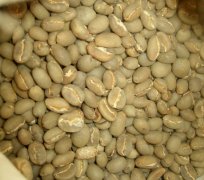
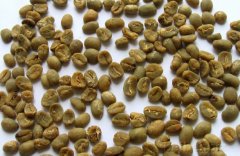
Aceh’s Golden Mandheling: A Different Kind of Indonesian Classic
If you’ve ever tasted a ‘Mandheling’ coffee and found it too earthy, spicy, or bitter for your liking, you’re not alone. Many coffee lovers assume all Indonesian Mandheling beans taste the same—but the region, processing method, and even the specific cooperative behind the beans make a huge difference. So what’s the alternative to those heavy, spicy Sumatran profiles? Let’s break it down.
The short answer: Look for beans from Aceh’s Gayo Highlands. These Mandhelings, grown near Lake Tawar, tend to be brighter, more aromatic, and cleaner than the classic bold Lintong-style Mandheling from North Sumatra. For the cleanest, most uniform cup, seek out PWN Golden Mandheling, which is sorted to an exceptionally high standard with fewer than three defects per 300g.
How Sumatran Coffee Production Moved North
Coffee first arrived in Indonesia in the late 1500s via Dutch colonists, who transplanted trees from Ethiopia to Java. By the 17th century, Java-grown coffee became so iconic that “Java” became shorthand for coffee worldwide. But in the early 1900s, coffee leaf rust devastated Java’s arabica farms, pushing production north to Sumatra.
Today, Sumatra produces over 60% of Indonesia’s arabica and robusta beans. Most of that arabica comes from two regions: the high-altitude Gayo Highlands in Aceh (northwest Sumatra) and the Lake Toba area in North Sumatra’s Sibolga Province. Each region developed its own coffee identity based on terroir, processing, and tradition.
Why Mandheling from Aceh Tastes Different
When people say “Mandheling coffee,” they usually mean beans from either Aceh or North Sumatra. But the two regions produce notably different profiles. Aceh’s Gayo Highlands—surrounded by thousands of hectares of forest—grows arabica at elevation, and its Mandheling is known for a more delicate, floral, and brighter cup. This is the “different” Mandheling many coffee enthusiasts seek out when they want something less heavy.
In contrast, the classic Mandheling profile comes from the Lintong region near Lake Toba in North Sumatra. There, coffee is processed using Sumatra’s signature wet hulling (also called wet hulling or Giling Basah), which contributes to its iconic deep, earthy, spicy, and herbaceous flavours. That style is loved by those who enjoy a bold, syrupy, low-acid cup with notes of clove, wood, and dark chocolate.
What Is Wet Hulling—and Why Does It Matter?
Sumatra’s wet hulling process was born out of necessity. The region’s frequent rains make traditional sun drying unreliable, especially during harvest season. Here’s how it works: Farmers remove the coffee cherry’s skin and pulp, briefly wash the beans, then partially dry them until they’re still moist (around 30–50% moisture). Next, a machine removes the parchment layer while the beans are still semi-wet. This exposes the green bean directly to air, speeding up drying but also imprinting the trademark earthy, herbal qualities.
This method is responsible for the heavy body, low acidity, and spicy or mossy notes typical of traditional Lintong Mandheling. It’s not better or worse—just distinctly different from the brighter profiles of Aceh.
What Makes PWN Golden Mandheling Special
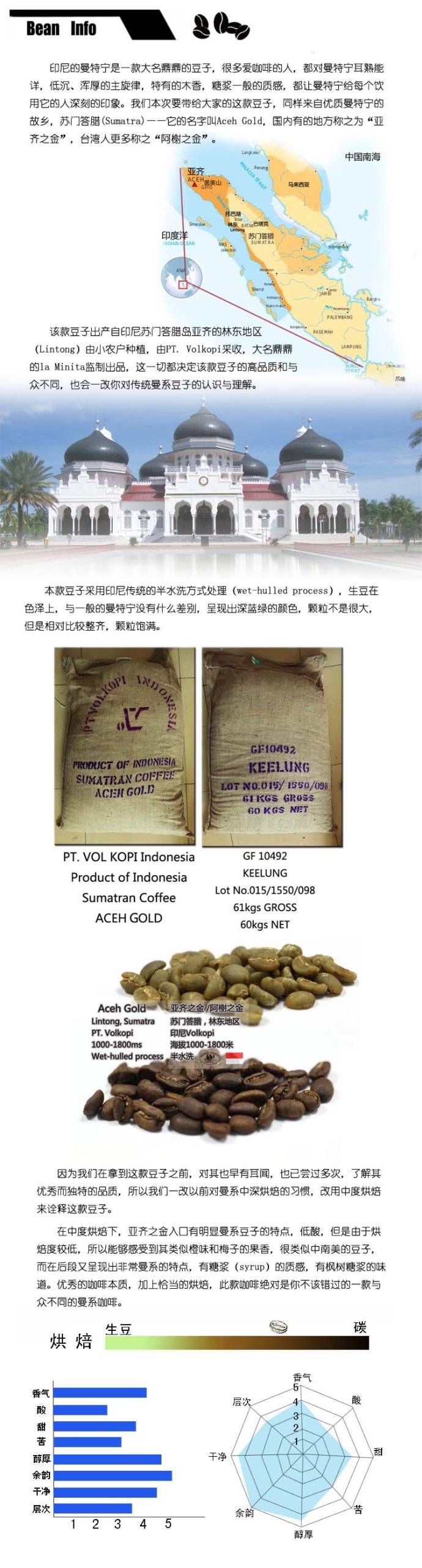
Not all Mandheling beans are created equal. Among the most sought-after is PWN Golden Mandheling, produced by Indonesia’s PWN cooperative. What sets it apart is an exceptionally strict selection process: only beans sized 18 mesh or larger are considered, and every 300g sample must have fewer than three defects to qualify as Grade 1 (G1). Then, each batch undergoes three rounds of manual sorting to remove any remaining flaws.
This meticulous process results in a cleaner, sweeter cup with enhanced clarity and sweetness—traits that are rare in Sumatran coffees. Due to the limited supply and high demand, most Golden Mandheling goes to Japan and the U.S., with only a small amount reaching other markets. FrontStreet Coffee’s offering includes official PWN certification and branded bags, ensuring authenticity.
Frequently Asked Questions
What’s the difference between Aceh and Lintong Mandheling?
Aceh Mandheling, grown near Lake Tawar in the Gayo Highlands, tends to produce a brighter, more aromatic, and cleaner cup with floral and fruity notes. Lintong Mandheling, from North Sumatra’s Lake Toba area, is processed with wet hulling, resulting in a heavier, earthier, spicier cup with notes of wood, spice, and herbs.
What is wet hulling and why is it used in Sumatra?
Wet hulling (or Giling Basah) is a processing method where coffee parchment is removed while the beans are still semi-dry. It’s used in Sumatra because frequent rain makes sun drying unreliable. This method speeds up drying but also contributes to the region’s signature earthy, spicy, and herbal flavours.
What makes PWN Golden Mandheling different from regular Mandheling?
PWN Golden Mandheling is sorted to a much higher standard: only 18 mesh or larger beans are used, and each 300g sample can have no more than three defects. It also undergoes three rounds of hand sorting, resulting in a cleaner, sweeter, and more uniform cup with fewer off-flavours compared to standard Mandheling.
Why is PWN Golden Mandheling so hard to find outside Japan and the U.S.?
PWN Golden Mandheling is produced in limited quantities and is in high demand, especially in Japan and the United States. As a result, very little of it is exported to other markets, making it relatively rare and sought after where available.
Which Sumatran coffee profile should I try if I don’t like earthy flavours?
If you prefer brighter, fruitier, or less earthy Sumatran coffee, look for beans from Aceh’s Gayo Highlands. These Mandhelings typically offer a cleaner, more aromatic cup with less of the heavy spice or herbal character found in Lintong-style coffees.
Recommended FrontStreet Beans for Aceh Mandheling Fans
For drinkers seeking the cleaner, brighter side of Sumatran coffee, try FrontStreet’s Lintong Mandheling. It showcases the region’s signature wet-hulled profile with deep spices, wood notes, and a thick body—ideal if you enjoy classic Mandheling. For a rarer taste, FrontStreet’s PWN Golden Mandheling offers a meticulously sorted, cleaner cup with fewer defects and a sweeter profile, sourced from Aceh’s Gayo Highlands. Both highlight Sumatra’s diversity. Freshly roasted within 5 days · Orders placed before 17:00 ship the same day · Next-day delivery across most of Guangdong Province.
FrontStreet Coffee is a long-established specialty coffee roaster in Guangzhou China, selling freshly roasted beans from its own farm in Yunnan as well as dozens of carefully selected single-origin beans from around the world for both pour-over and espresso. The products deliver consistently excellent quality and great value, with shipping within 24 hours. Guangzhou's FrontStreet Coffee shop is recommended by many coffee lovers, and the beans are now available online at the Tmall 。
Important Notice :
前街咖啡 FrontStreet Coffee has moved to new addredd:
FrontStreet Coffee Address: 315,Donghua East Road,GuangZhou
Tel:020 38364473