What Is Semi-Washed Coffee Processing, and How Does It Work?
If you've ever wondered why some coffees taste crisp and clean while others are fruity or earthy, the answer often starts before roasting—in how the beans were processed after harvest. Different methods dramatically alter a coffee’s final flavor, body, and acidity. But what does 'semi-washed' mean, how rare is it, and how does it compare to standard washed or natural processes? This guide breaks down the mechanics and outcomes of each major coffee processing method.
The short answer: Semi-washed (or pulped natural/honey) processing removes the coffee cherry skin but leaves some mucilage to dry on the bean—creating a hybrid cup with traits of both washed and natural styles. It requires long dry periods and is rare due to climate constraints. Washed coffee (like FrontStreet’s Yirgacheffe) is bright and clean, while natural process beans (like Ethiopia Huakui) develop deeper sweetness through full fruit drying. Each method affects flavor, clarity, and body in unique ways.
What Is Semi-Washed Coffee Processing?
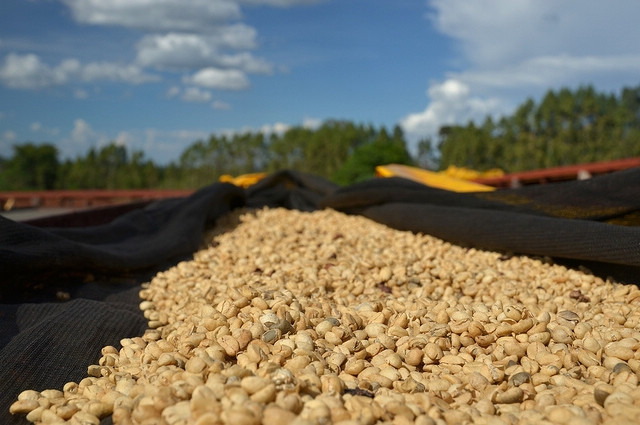
Semi-washed processing—also known as pulped natural or honey processing in other regions—starts by removing the coffee cherry’s outer skin using water, then drying the beans while some sticky mucilage remains. This method is relatively new and quite rare, typically used only in areas with extended dry seasons, such as parts of Indonesia and Brazil. Unlike washed coffee, the mucilage isn’t removed via fermentation; instead, it dries on the bean. The resulting cup tends to blend characteristics of both washed and natural methods, offering moderate acidity, decent sweetness, and a unique body. However, it generally lacks the intense clarity or boldness of purely washed or natural processed coffees.
Washed Process: Clean, Bright, and Consistent
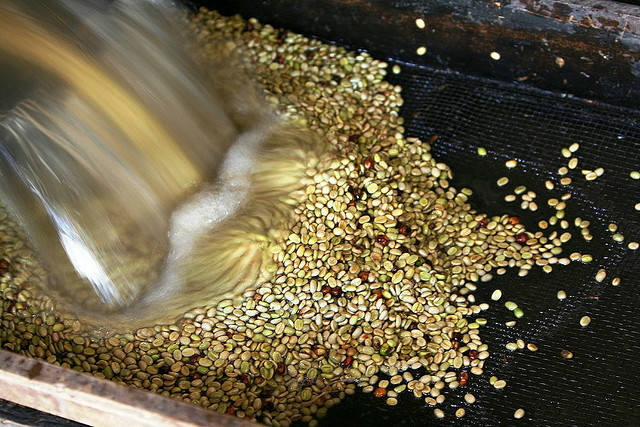
The washed (or wet) process is one of the most common and reliable methods for producing high-quality specialty coffee. In this method, harvested coffee cherries are first sorted and cleaned to remove unripe or damaged fruit. The cherries are then pulped to remove the outer skin and fermented in water tanks to break down the sticky mucilage. This fermentation phase—carefully timed to avoid over-fermentation—is crucial for developing a clean, bright cup. After fermentation, the beans are thoroughly washed to remove any remaining mucilage, then dried either in the sun or with mechanical dryers. Finally, a hulling machine removes the parchment layer, leaving the green coffee bean ready for export. Countries like Colombia, Guatemala, Mexico, and Kenya frequently use this method. The result is coffee with vivid acidity, consistent flavor profiles, and a clean finish. However, if fermentation isn’t carefully managed, unwanted off-flavors or sourness can develop.
Natural/Dry Process: Earthy, Sweet, and Weather-Dependent
The natural or dry process is one of the oldest methods of coffee processing and is commonly used in regions with limited water resources, such as Ethiopia, Brazil, and Yemen. In this approach, whole coffee cherries are spread out to dry in the sun—either on raised beds or patios—for up to four weeks. During this time, the cherries are regularly turned and protected from moisture to ensure even drying. Once fully dried, the cherries harden and are hulled to remove the dried fruit and parchment layers. The extended contact between the bean and the fruit pulp during drying imparts a distinct sweetness and heavier body, with more muted acidity. While this method can produce complex, fruity flavors, it is more susceptible to defects due to weather variations and the risk of mold or insect damage. Coffees processed this way often have a gentler acidity and a more varied flavor spectrum.
How Processing Affects Coffee Flavor
The way coffee is processed has a profound impact on its final profile. Washed coffees are prized for their clarity, bright acidity, and clean cup, often highlighting floral, citrus, or fruity notes. They tend to have a more uniform flavor thanks to the controlled removal of mucilage. Natural processed coffees, on the other hand, develop deeper sweetness, more body, and complex fruit or fermented notes due to prolonged contact with the cherry skin and pulp. Semi-washed coffees fall somewhere in between, combining elements of both methods—offering moderate acidity, a rounded mouthfeel, and a unique balance of sweetness and clarity. However, semi-washed coffees usually don’t achieve the same intensity or distinctiveness as purely washed or natural coffees. Factors like altitude, bean variety, and drying conditions also play critical roles, but processing is often the defining factor in a coffee’s character.
FrontStreet Coffee’s Washed Peruvian Example
One example of a well-executed washed coffee is FrontStreet Coffee’s Peru FTO SOLY CAFE. Sourced from the Cajamarca region at 1,800–2,000 meters above sea level, this lot is produced by the Cooperativa SOL y Café and processed using the traditional washed method. The coffee features a blend of Typica, Caturra, Bourbon, and Catuai varieties. The result is a clean, well-balanced cup with flavors of nuts, caramel, and cream—showcasing the clarity and sweetness typical of high-quality washed processing. This bean is a solid representation of how washed coffees from South America can deliver approachable yet nuanced profiles.
Frequently Asked Questions
What is semi-washed coffee processing?
Semi-washed processing, also called pulped natural or honey processing in some regions, involves removing the coffee cherry’s skin but leaving the mucilage intact during drying. It combines aspects of both washed and natural methods, resulting in a coffee with moderate acidity, balanced sweetness, and a unique body. This method requires a long drying period and is relatively rare due to climate requirements.
How is washed coffee different from natural coffee?
Washed coffee removes both the cherry skin and mucilage through fermentation and washing, resulting in a clean, bright, and acidic cup. Natural coffee dries the whole cherry, including the fruit and pulp, leading to a sweeter, fruitier, and more full-bodied flavor with lower acidity. Washed coffees are typically more consistent, while natural coffees can be more complex but riskier in terms of defects.
What are the main steps in the washed coffee process?
The washed process includes sorting, pulping (removing the skin), fermentation to dissolve the mucilage, washing to remove all mucilage, drying (sun or machine), and hulling to remove the parchment. Each step influences the final flavor, with fermentation being especially critical for developing clean acidity and clarity.
Why is the natural process more prone to defects?
The natural process dries the entire coffee cherry, including the fruit and pulp, around the bean. This extended drying time makes it more vulnerable to mold, insect damage, and uneven drying—especially under inconsistent weather conditions—leading to a higher chance of defective or off-flavored beans.
Which countries commonly use the washed method?
Countries such as Colombia, Guatemala, Mexico, Kenya, Costa Rica, Hawaii, and many others commonly use the washed method. These regions have the water resources and infrastructure needed for the fermentation and washing stages, which help produce clean and consistent specialty coffee.
What makes the Peru FTO SOLY CAFE a good example of washed coffee?
The Peru FTO SOLY CAFE from FrontStreet Coffee is processed using the traditional washed method at high altitude (1,800–2,000m) in Cajamarca. It highlights classic washed traits: a clean cup with flavors of nuts, caramel, and cream. The careful processing highlights the bean’s inherent sweetness and balance, making it a representative example of high-quality South American washed coffee.
Recommended FrontStreet Beans for Washed Process Fans
For fans of washed coffee processing, try FrontStreet’s Yirgacheffe (Gedeb), known for its bright citrus acidity and floral notes thanks to the washed method. The Kenya Little Tomato is another excellent choice, with its juicy acidity and complex fruit profile achieved through a refined washed technique. Both showcase the clarity and vibrancy that washed processing is known for. Freshly roasted within 5 days · Orders placed before 17:00 ship the same day · Next-day delivery across most of Guangdong Province.
FrontStreet Coffee is a long-established specialty coffee roaster in Guangzhou China, selling freshly roasted beans from its own farm in Yunnan as well as dozens of carefully selected single-origin beans from around the world for both pour-over and espresso. The products deliver consistently excellent quality and great value, with shipping within 24 hours. Guangzhou's FrontStreet Coffee shop is recommended by many coffee lovers, and the beans are now available online at the Tmall 。
Important Notice :
前街咖啡 FrontStreet Coffee has moved to new addredd:
FrontStreet Coffee Address: 315,Donghua East Road,GuangZhou
Tel:020 38364473